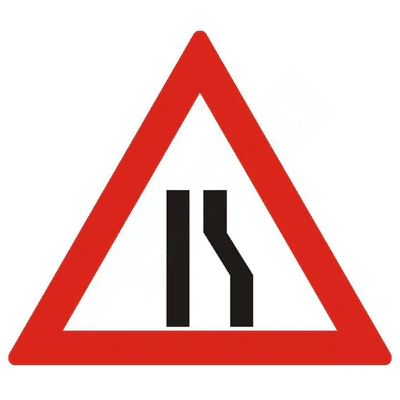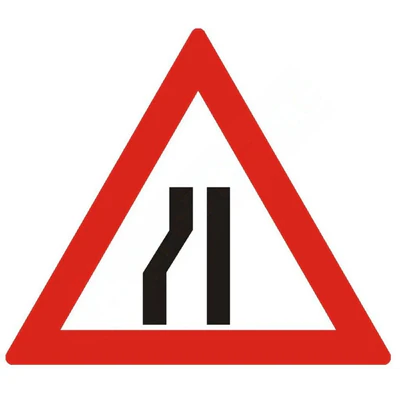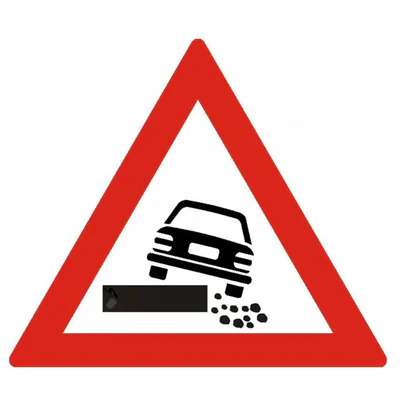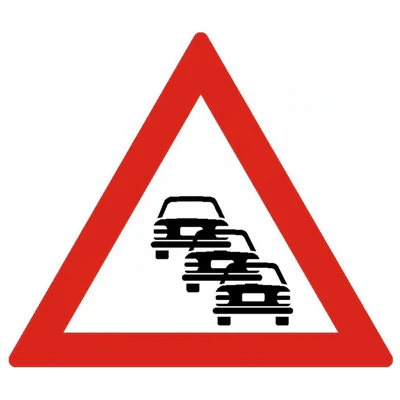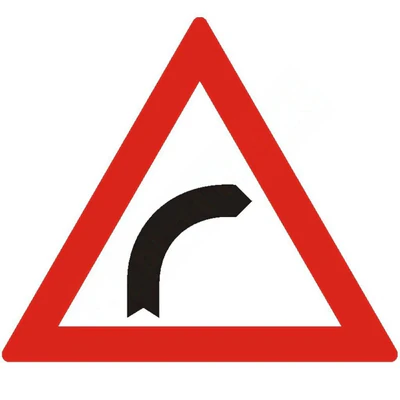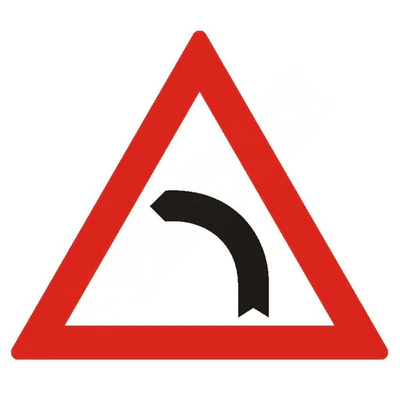
Road sign warning A1 left curve
105,00 lei
In stock
in Request a quote – Road sign warning A1 left curve See options – Road sign warning A1 left curveWe use strictly necessary cookies to run the site and, only with your consent, to remember viewed products, for visit statistics and for YouTube video playback. You can change your mind at any time from “Cookie settings” at the bottom of the page. Cookie policy
Technical advice: 0725 404 404 · Fast delivery nationwide · Blog
The warning indicators shall signal traffic hazards in a timely manner in order to prevent accidents and increase road safety.
105,00 lei
In stock
in Request a quote – Road sign warning A1 left curve See options – Road sign warning A1 left curve105,00 lei
In stock
in Request a quote – Road sign warning A10 Road narrowed on the right side See options – Road sign warning A10 Road narrowed on the right side105,00 lei
In stock
in Request a quote – Road sign warning A13 Aggregated road See options – Road sign warning A13 Aggregated road105,00 lei
In stock
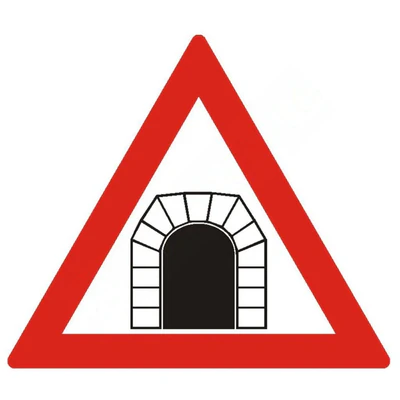
in Request a quote – Road sign warning A14 Tunnel See options – Road sign warning A14 Tunnel105,00 lei
In stock
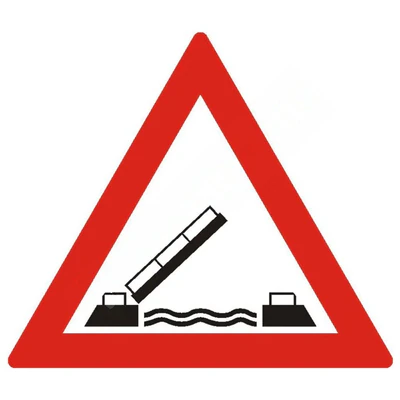
in Request a quote – Road sign warning A15 Mobile pod See options – Road sign warning A15 Mobile pod105,00 lei
In stock
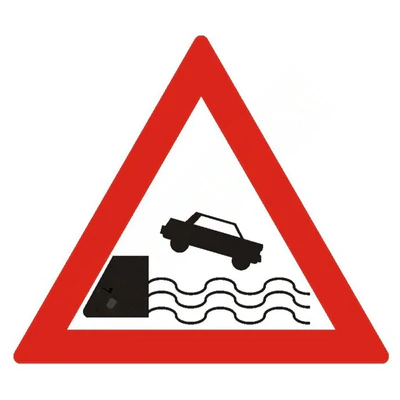
in Request a quote – Road sign warning A16 Exit to a key or abrupt evil See options – Road sign warning A16 Exit to a key or abrupt evil105,00 lei
In stock
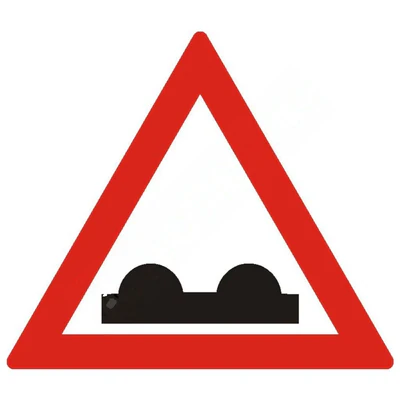
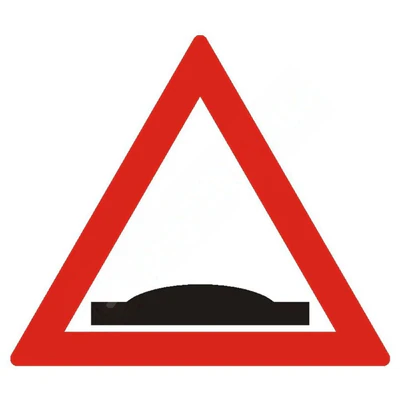
in Request a quote – Road sign warning A17 Road elevations See options – Road sign warning A17 Road elevations105,00 lei
In stock
in Request a quote – Road sign warning A18 Levels for speed limitation See options – Road sign warning A18 Levels for speed limitation105,00 lei
In stock
in Request a quote – Road sign warning A19 See options – Road sign warning A19105,00 lei
In stock
in Request a quote – Road sign warning A2 right curve See options – Road sign warning A2 right curve105,00 lei
In stock
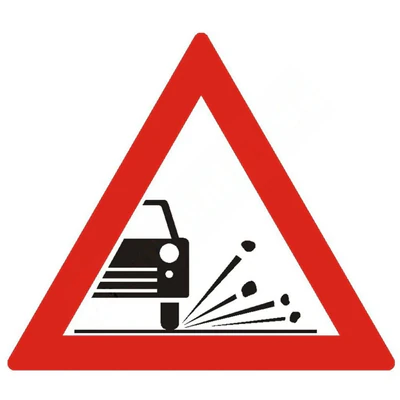
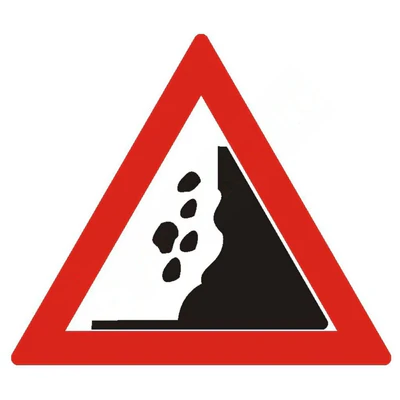
in Request a quote – Road sign warning A20 Stone improsion See options – Road sign warning A20 Stone improsion105,00 lei
In stock
in Request a quote – Road sign warning A21 Stone frames See options – Road sign warning A21 Stone frames105,00 lei
In stock
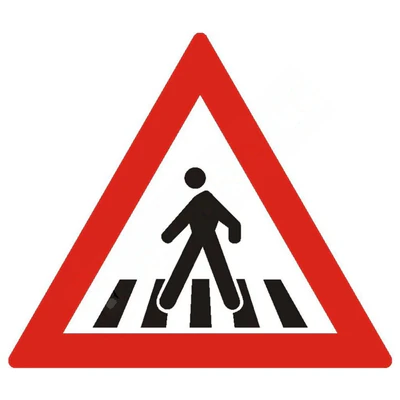
in Request a quote – Road sign warning A22 advance warning crossing pedestrians See options – Road sign warning A22 advance warning crossing pedestrians105,00 lei
In stock
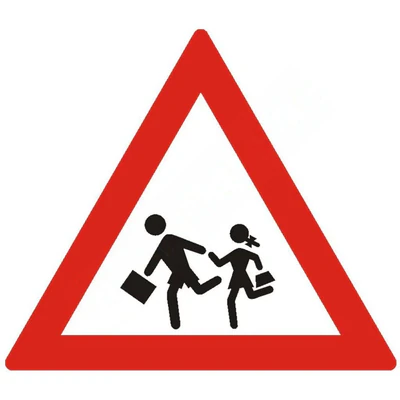
in Request a quote – Road sign warning A23 Children See options – Road sign warning A23 Children105,00 lei
In stock
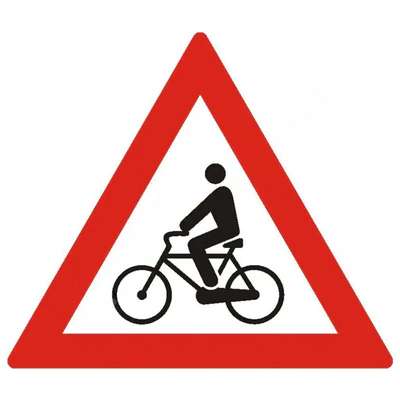
in Request a quote – Road sign warning A24 Bicycles See options – Road sign warning A24 Bicycles105,00 lei
In stock
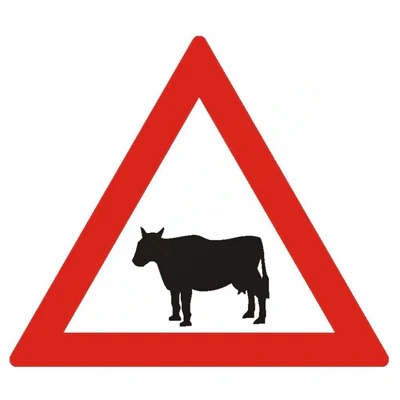
in Request a quote – Road sign warning A25 Pets See options – Road sign warning A25 Pets105,00 lei
In stock
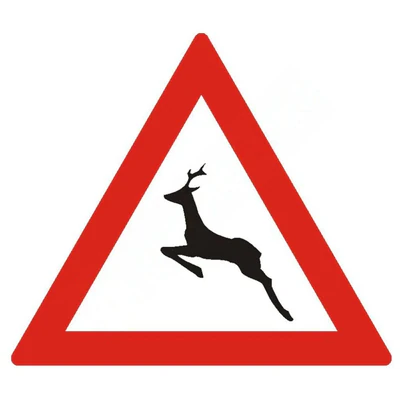
in Request a quote – Road sign warning A26 Wild animals See options – Road sign warning A26 Wild animals105,00 lei
In stock
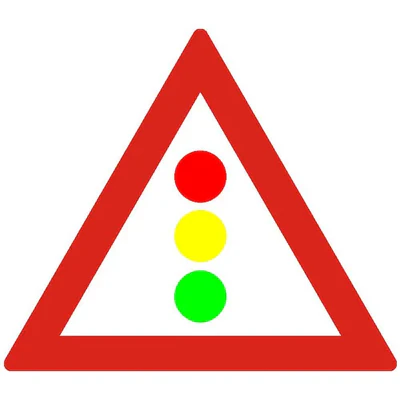
in Request a quote – Road sign warning A27 Semafores See options – Road sign warning A27 Semafores105,00 lei
In stock
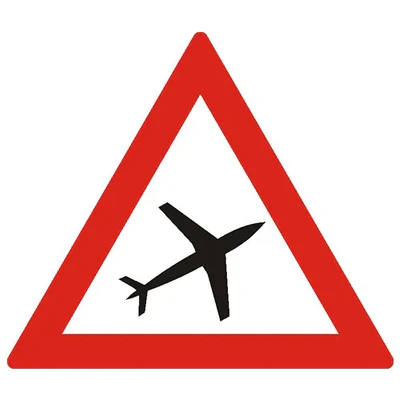
in Request a quote – Road sign warning A28 Airport See options – Road sign warning A28 Airport105,00 lei
In stock
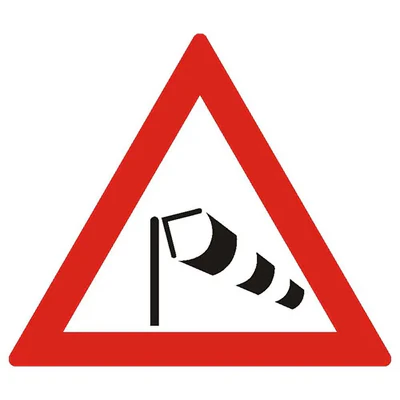
in Request a quote – Road sign warning A29 Side wind See options – Road sign warning A29 Side windWe didn't find any products for the chosen filters.
Warning signs are essential elements of road infrastructure designed to draw attention to traffic hazards before they become a real risk. They are used both on public roads and in private or industrial spaces where prevention makes the difference between safety and incident. Whether we are talking about dangerous curves, ongoing work or areas with reduced visibility, these signs provide drivers with quick and clear information, helping them to react correctly and in time.
Warning indicators are standardised road signs, usually with triangular shape and red margin, which announces the existence of a potential hazard on the route.
These are:
Their goal is simple: to offer reaction time.
Warning indicators shall operate through visibility + universal symbols.
The process is simple:
Most models are made of reflective materials so that they are visible at night or under adverse weather conditions.
The lack of a correct warning may lead to delayed reactions and, implicitly, accidents.
The actual impact of these indicators:
In many situations in the field, the difference between an incident and a safe move is due to the existence of a simple warning sign placed correctly.
The use of these signs brings clear benefits:
Not all indicators are identical, and the right choice depends on the context.
Choosing a suitable indicator is not complicated, but should be informed.
Correct mounting is as important as choosing the indicator.
General steps:
In practice, the wrong location reduces even the best indicator's efficiency.
In order to maintain its efficiency, indicators must be maintained.
Recommendations:
Solution: periodic evaluation and choice of appropriate products for the context.
From field experience:
An effective indicator is not the cheapest, but the one that pre-accomplishes a real risk.
Naturally, we can say that warning signs are essential solutions for signaling traffic hazards, contributing to safety, visibility and accident prevention under any conditions.
We're focusing on real safety and field tested solutions.
It's a sign that announces a danger before it's met.
Before the dangerous area, at a distance that allows the driver to react.
Yeah, depending on the legislation and the type of road.
Metal for long-term sustainability and use.
Depends on the category of road; class 1, class 2 or 3 for high visibility.
Yes, they are frequently used in parks and industrial areas.
Periodically, especially in areas with intense traffic.
It depends on the speed of movement and visibility.
Yes, there are dedicated models for works.
Efficiency is decreasing and additional risks may arise.
Warning indicators are an essential component of road safety, providing prevention and control in critical situations.
Choose the right solutions to ensure safer and better organised traffic.
Get our offers and news once a month. You can unsubscribe at any time.