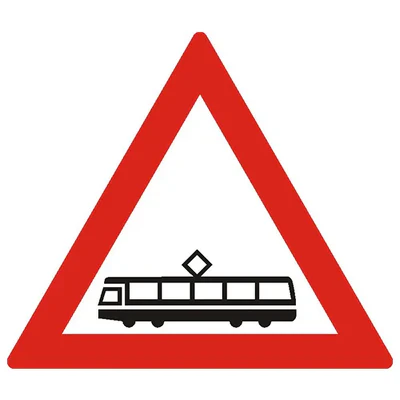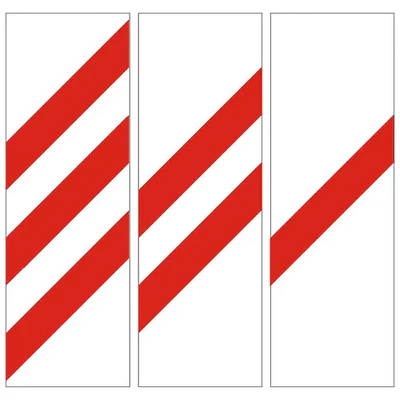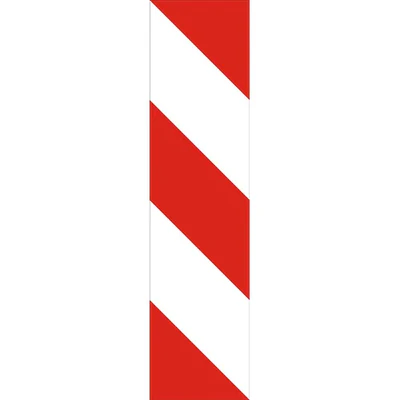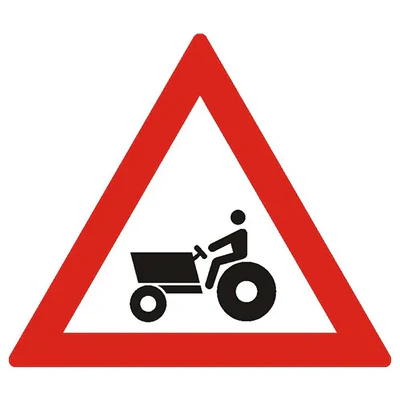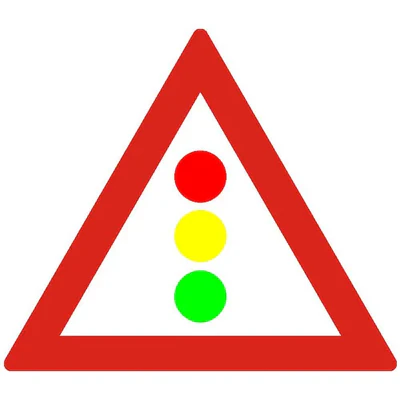
Road sign warning A27 Semafores
105,00 lei
In stock
in Request a quote – Road sign warning A27 Semafores See options – Road sign warning A27 SemaforesWe use strictly necessary cookies to run the site and, only with your consent, to remember viewed products, for visit statistics and for YouTube video playback. You can change your mind at any time from “Cookie settings” at the bottom of the page. Cookie policy
Technical advice: 0725 404 404 · Fast delivery nationwide · Blog
Road indicators are standardised elements that regulate, warn and guide traffic for the safety of all traffic participants.
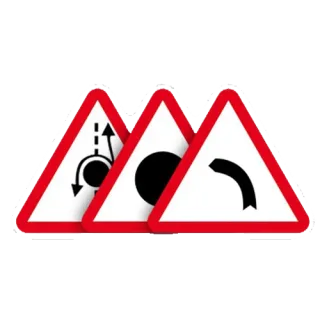 Warning signs
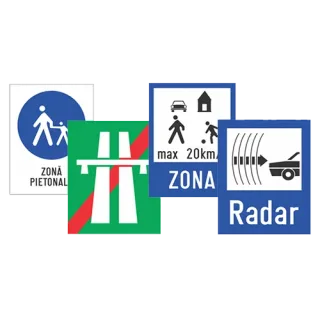 Information signs
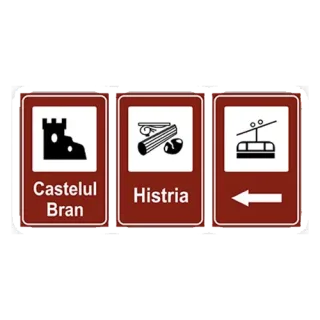 Tourist signs
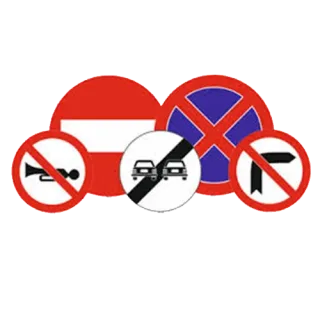 Prohibition signs
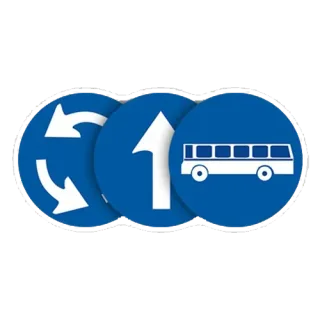 Mandatory signs
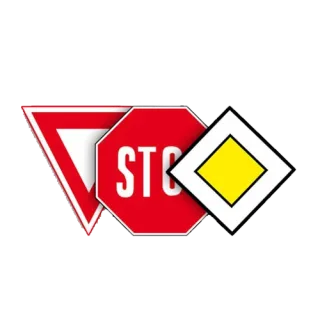 Priority signs
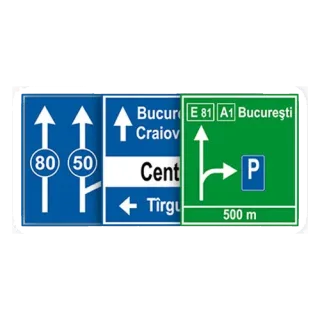 Direction signs
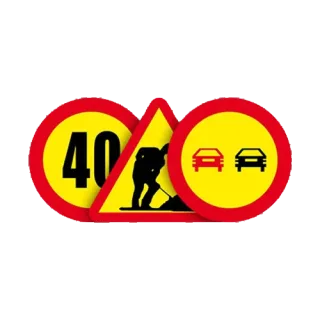 Temporary signs
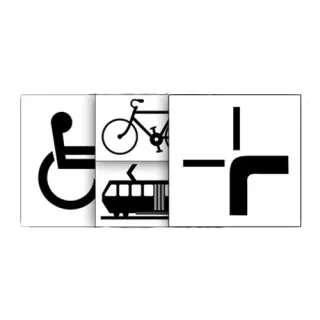 Additional panels
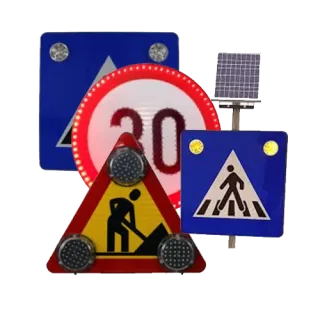 LED road signs
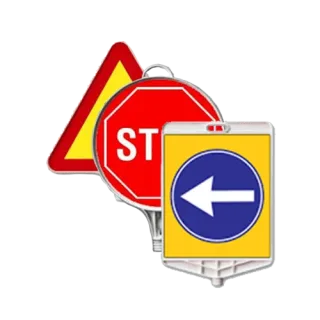 Plastic signs
 Sign posts
105,00 lei
In stock
in Request a quote – Road sign warning A27 Semafores See options – Road sign warning A27 Semafores105,00 lei
In stock
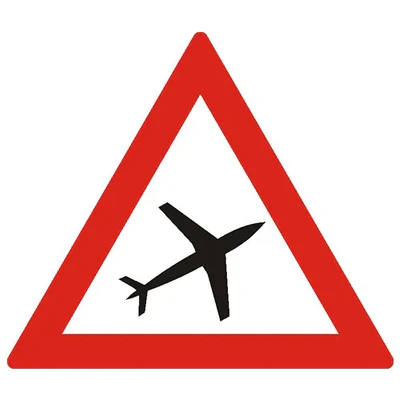
in Request a quote – Road sign warning A28 Airport See options – Road sign warning A28 Airport105,00 lei
In stock
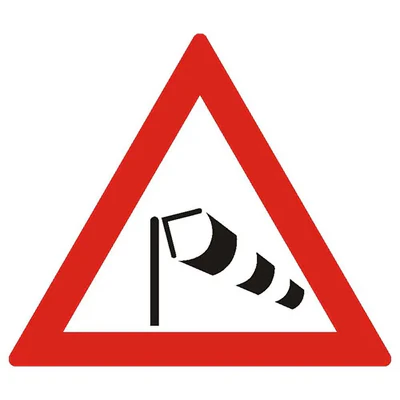
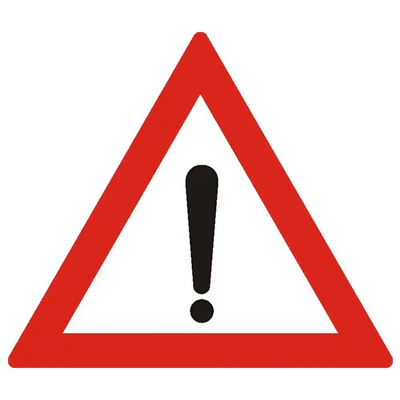
in Request a quote – Road sign warning A31 Other hazards See options – Road sign warning A31 Other hazards105,00 lei
In stock
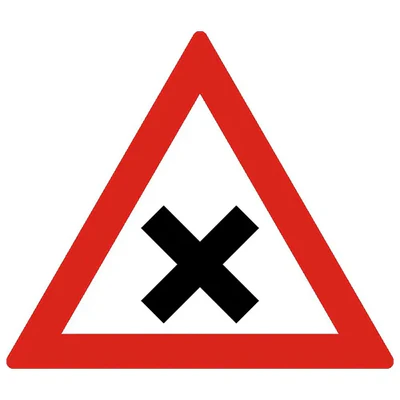
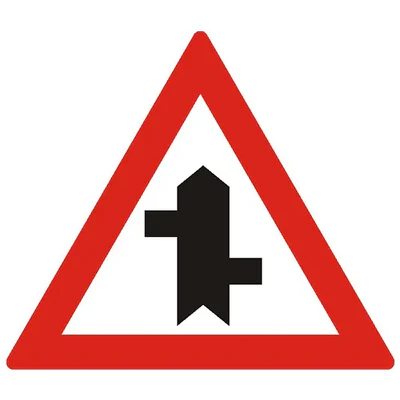
in Request a quote – Road sign warning A32 Road intersection See options – Road sign warning A32 Road intersection105,00 lei
In stock
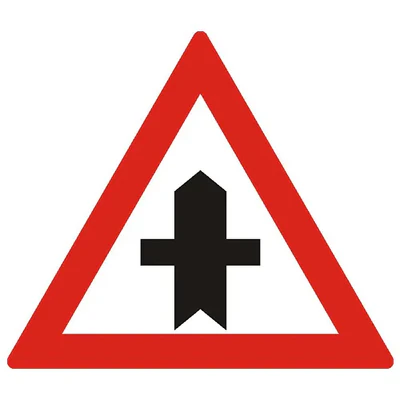
in Request a quote – Road sign warning A33 Intersect with a road without priority See options – Road sign warning A33 Intersect with a road without priority105,00 lei
In stock
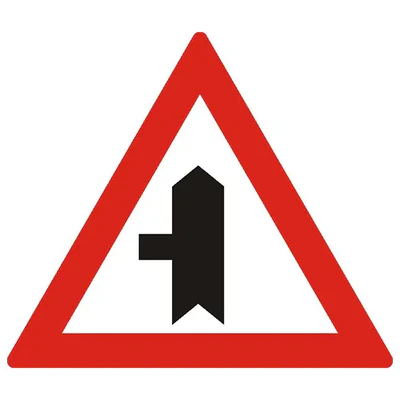
in Request a quote – Road sign warning A35 Intersection with a road without priority See options – Road sign warning A35 Intersection with a road without priority105,00 lei
In stock
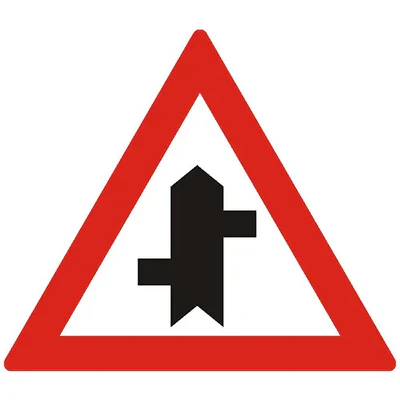
in Request a quote – Road sign warning A36 Intersect with a road without priority See options – Road sign warning A36 Intersect with a road without priority105,00 lei
In stock
in Request a quote – Road sign warning A37 Intersecting with a road without priority See options – Road sign warning A37 Intersecting with a road without priority105,00 lei
In stock
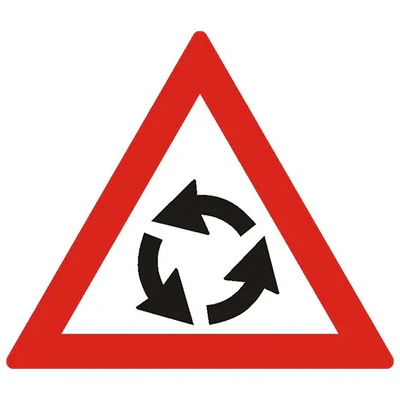
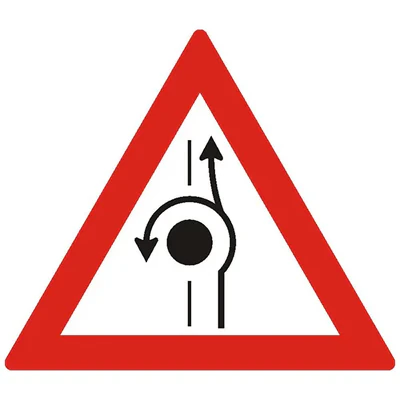
in Request a quote – Road sign warning A38 advance warning of intersection with rotating direction See options – Road sign warning A38 advance warning of intersection with rotating direction105,00 lei
In stock
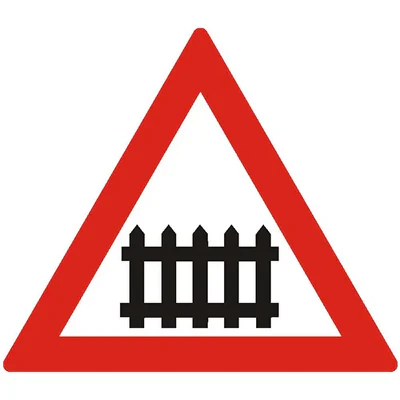
in Request a quote – Road sign warning A39 Passing at the level with a rail with barriers or semi-barriers See options – Road sign warning A39 Passing at the level with a rail with barriers or semi-barriers105,00 lei
In stock
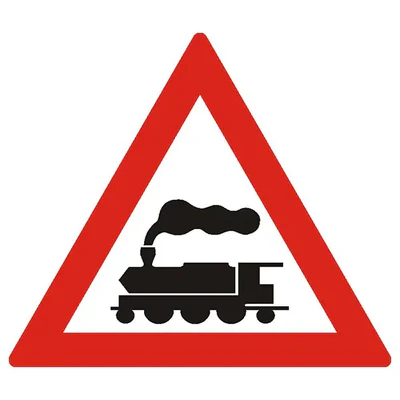
in Request a quote – Road sign warning A40 Pass to level with a rail without barriers See options – Road sign warning A40 Pass to level with a rail without barriers105,00 lei
In stock
in Request a quote – Road sign warning A41 Passage to level with tram lines See options – Road sign warning A41 Passage to level with tram lines585,00 lei
In stock
in Request a quote – Road sign warning A42 Additional panels for crossing the level with a railway See options – Road sign warning A42 Additional panels for crossing the level with a railway180,00 lei
In stock
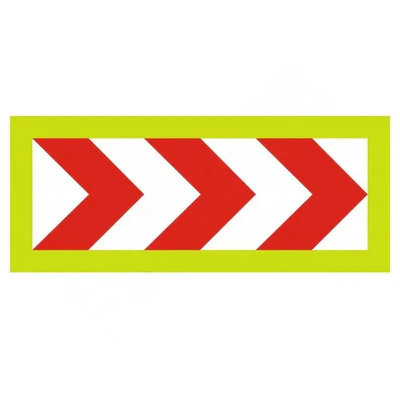
in Request a quote – Road sign warning A44 Directional marking indicating the bypass of the obstacle in the left See options – Road sign warning A44 Directional marking indicating the bypass of the obstacle in the left180,00 lei
In stock
in Request a quote – Road sign warning A45 Directional marking indicating the right side of the obstacle See options – Road sign warning A45 Directional marking indicating the right side of the obstacle220,00 lei
In stock
in Request a quote – Road sign warning A46 Bidirectional beacon See options – Road sign warning A46 Bidirectional beacon400,00 lei
In stock
in Request a quote – Road sign warning A47 Passing to level with a simple railway, without barriers See options – Road sign warning A47 Passing to level with a simple railway, without barriers545,00 lei
In stock
in Request a quote – Road sign warning A48 Passing at the level with a double track, without barriers See options – Road sign warning A48 Passing at the level with a double track, without barriers105,00 lei
In stock
in Request a quote – Road sign warning A51 Agricultural machinery and machinery See options – Road sign warning A51 Agricultural machinery and machinery105,00 lei
In stock
in Request a quote – Road sign warning A52 Signing of a road layout offering and possibility of returning vehicles See options – Road sign warning A52 Signing of a road layout offering and possibility of returning vehiclesWe didn't find any products for the chosen filters.
Road signs are essential elements in any signalling system used to organise traffic and reduce traffic risks. Whether we are talking about public roads, parking lots or industrial areas, these signs quickly convey clear and standardised information. Made in accordance with the rules in force and adapted to the different conditions of use, they contribute directly to the prevention of accidents and the flow of traffic. The correct choice is not only about the type of indicator, but also about the material, visibility and mounting mode.
Road indicators are standardized signalling devices, designed to transmit rules, warnings and information to traffic participants.
These are carried out in accordance with technical standards (e.g.: SR 1848) and shall comply with:
An indicator is not just a metal panel, but a complete system consisting of:
The indicators are used in a wide range of contexts:
In practice, any space where circulation exists needs correct signaling.
The operation of an indicator shall be based on instant visibility and rapid recognition.
Essential elements:
Class of reflection used:
Without proper signaling, traffic becomes unpredictable and dangerous.
The role of the indicators:
Road indicators provide clear guidance, warning and regulation in traffic, contributing directly to safety, organisation and prevention of accidents in any type of road.
It signals dangers: curves, slippery road, works, pedestrian crossings.
It regulates the relationship between traffic flows at intersections.
Limits and prohibitions: prohibited access, speed limit, tonnage.
I impose behaviors: mandatory directions, senses of circulation.
Provides useful directions and information: parking, services, routes.
Complete the information of the main indicator.
Used for work, diversions and provisional situations.
The most important differences between products are:
A wrong chosen indicator may become invisible or ineffective.
The correct installation includes:
Wrong assembly reduces efficiency even for premium products.
Solution: correct choice + professional editing.
In real projects, the most common problems arise from underestimation of visibility.
Field examples:
Recommendations:
Discover the full range and choose the right solution for your project.
SR EN 12899 and SR 1848 are the main applicable rules.
Class 1 for localities, municipal roads or counties. Class 2 for national roads. Class 3 for highways.
Yes, and is recommended for safety and organization.
Aluminium and galvanized steel provide good external strength.
Depending on the type of road (DC, DJ, DN, A) and traffic speed.
Usually on standard metal posts Ø48 mm.
Between 5 and 10 years or more, depending on the conditions.
Improper mounting, weak visibility, non-conform choice.
Yes, clamps, collars and posts for correct mounting.
Yes, temporary indicators specially designed for work.
Road indicators are not just accessories, but essential components for safe and organised traffic.
Choose the right solution and build an effective signaling system adapted to real needs.
Get our offers and news once a month. You can unsubscribe at any time.