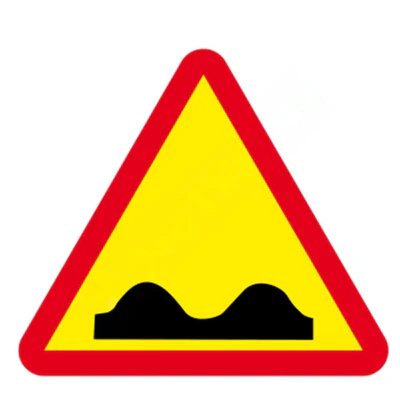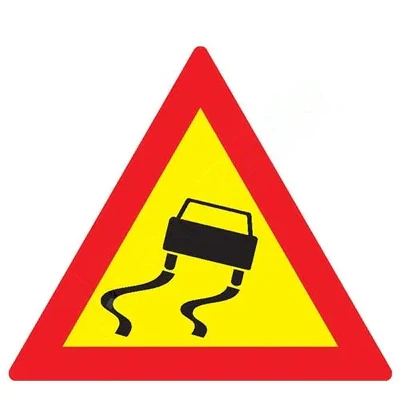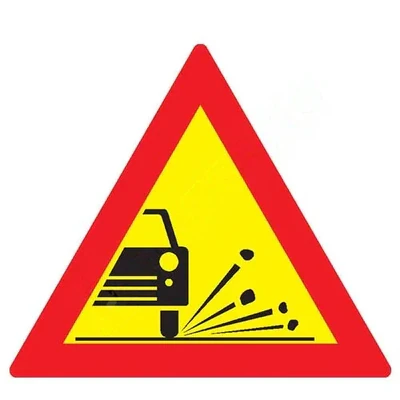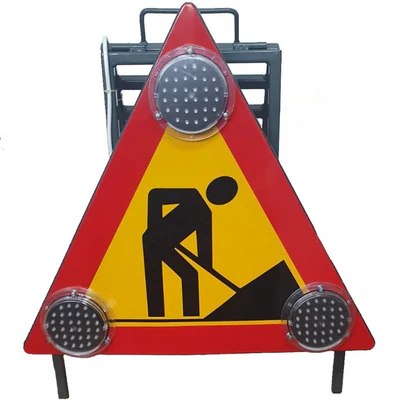
Indicator with Road flashes in working
1.550,00 lei
outOut of stock
Request a quote – Indicator with Road flashes in working See options – Indicator with Road flashes in workingWe use strictly necessary cookies to run the site and, only with your consent, to remember viewed products, for visit statistics and for YouTube video playback. You can change your mind at any time from “Cookie settings” at the bottom of the page. Cookie policy
Technical advice: 0725 404 404 · Fast delivery nationwide · Blog
Road indicators for work are key temporary solutions that warn and guide traffic in the intervention areas.
1.550,00 lei
outOut of stock
Request a quote – Indicator with Road flashes in working See options – Indicator with Road flashes in working145,00 lei
In stock
in Request a quote – Temporary road sign U22 Ocolire See options – Temporary road sign U22 Ocolire105,00 lei
In stock
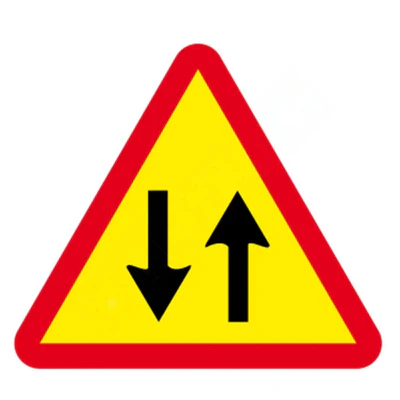
in Request a quote – Road temporary sign U10 Both directions See options – Road temporary sign U10 Both directions105,00 lei
In stock
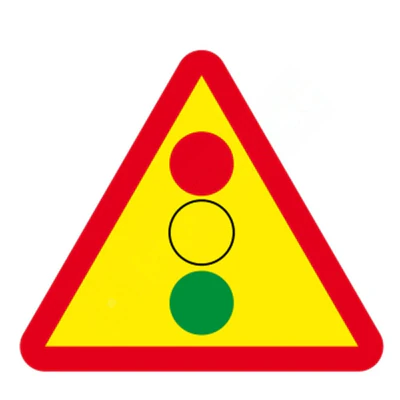
in Request a quote – Road temporary sign U9 Lighthouse See options – Road temporary sign U9 Lighthouse105,00 lei
In stock
in Request a quote – Road temporary sign U8 Works See options – Road temporary sign U8 Works105,00 lei
In stock
in Request a quote – Road sign temporary U7 Stone improsion See options – Road sign temporary U7 Stone improsion105,00 lei
In stock
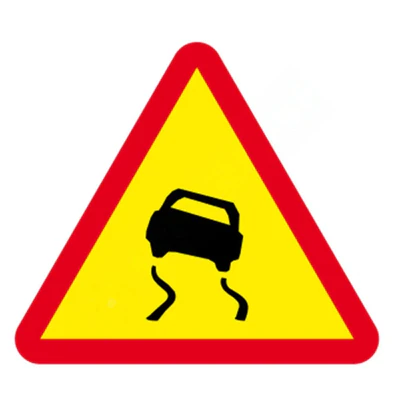
in Request a quote – Road temporary sign U6 See options – Road temporary sign U6105,00 lei
In stock
in Request a quote – Temporary road sign U5 Drum with delevels See options – Temporary road sign U5 Drum with delevels105,00 lei
In stock
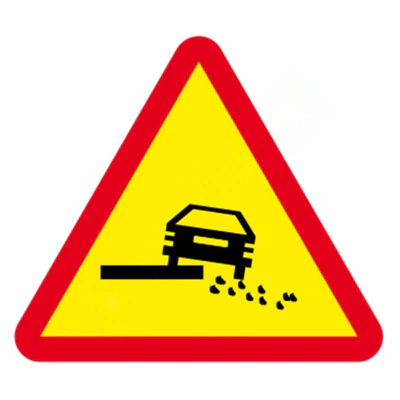
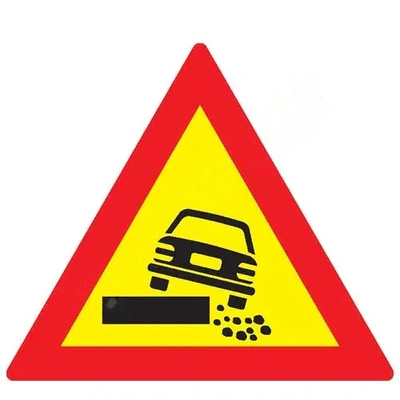
in Request a quote – Temporary road sign U4 Dangerous landing See options – Temporary road sign U4 Dangerous landing105,00 lei
In stock
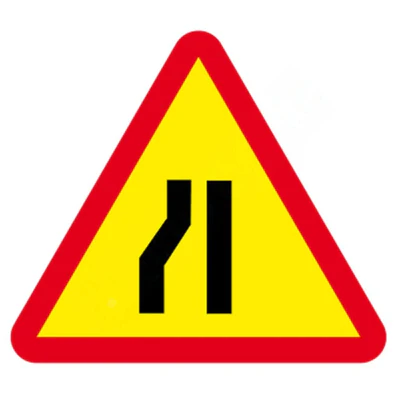
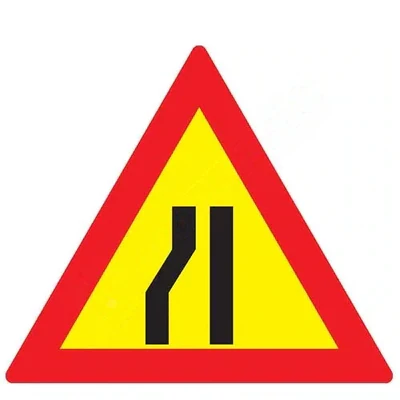
in Request a quote – Road sign temporary U3 Road narrowed on the left side See options – Road sign temporary U3 Road narrowed on the left side105,00 lei
In stock
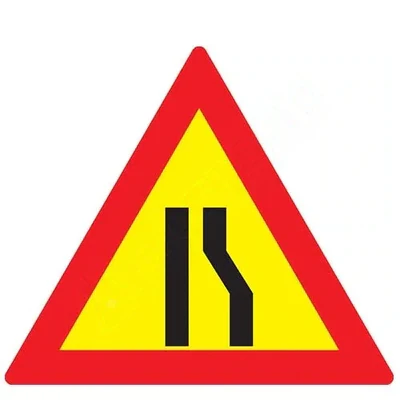
in Request a quote – Road sign temporary U2 Drum narrowed on the right side See options – Road sign temporary U2 Drum narrowed on the right side100,00 lei
In stock
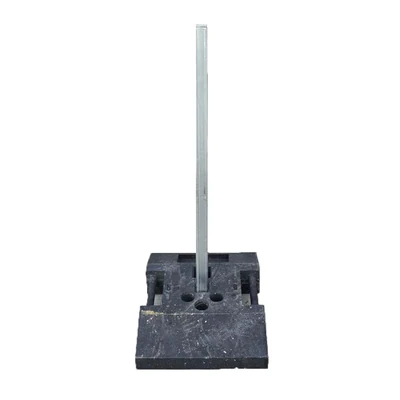
in Request a quote – Mobile position for indicators See options – Mobile position for indicators345,00 lei
In stock
in Request a quote – Road sign V11 directional barrier See options – Road sign V11 directional barrier295,00 lei
In stock
in Request a quote – Road sign V10 normal barrier See options – Road sign V10 normal barrier205,00 lei
In stock at supplier
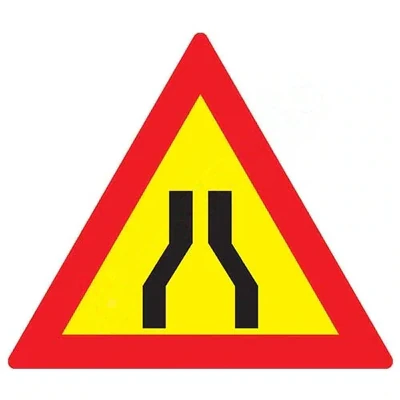
sup Request a quote – Temporary road sign U1 Road narrowed on both sides, L 900mm, Class 2 See options – Temporary road sign U1 Road narrowed on both sides, L 900mm, Class 2205,00 lei
In stock at supplier
sup Request a quote – Temporary road sign U2 Road narrowed on the right side, L 900mm, Class 2 See options – Temporary road sign U2 Road narrowed on the right side, L 900mm, Class 2205,00 lei
In stock at supplier
sup Request a quote – Temporary road sign U3 Road narrowed on the left side, L 900mm, Class 2 See options – Temporary road sign U3 Road narrowed on the left side, L 900mm, Class 2205,00 lei
In stock at supplier
sup Request a quote – Temporary road sign U4 Dangerous landing, L 900mm, Class 2 See options – Temporary road sign U4 Dangerous landing, L 900mm, Class 2205,00 lei
In stock at supplier
sup Request a quote – Temporary road sign U5 Drum with delevels, L 900mm, Class 2 See options – Temporary road sign U5 Drum with delevels, L 900mm, Class 2205,00 lei
In stock at supplier
sup Request a quote – Temporary road sign U6 Drum lunecos, L 900mm, Class 2 See options – Temporary road sign U6 Drum lunecos, L 900mm, Class 2We didn't find any products for the chosen filters.
Road signs works are essential elements for any roadside intervention, whether we are talking about repairs, upgrades or infrastructure works. They are designed to warn, guide and protect both traffic participants and field teams.
Used correctly, significantly reduce the risk of accidents and contribute to maintaining a safe and organised flow of traffic. The category is dedicated to construction companies, authorities and all those involved in road management, offering clear solutions for efficient temporary signalling.
The indicators for work are: temporary signs of movement, used to signal changes in traffic conditions caused by roadside interventions.
These differ from permanent signs by:
Their main role is to inform drivers quickly about:
Temporary indicators shall operate by a simple principle: rapid and standardised visual communication.
They are:
In practice:
This succession reduces sudden reactions and helps to maintain traffic control.
Without a proper signal, any work becomes a major risk.
Actual impact:
In many situations in the field, the lack of clear signs leads to:
The correct use of these indicators brings direct benefits:
The right choice depends on several factors.
Important differences:
For example:
Installation should be logical and progressive:
Field recommendation:
It always starts with the warning of time. It is the most frequently ignored stage, but also the most important.
For maximum efficiency:
Solution: respect recommended distances
Solution: uses reflective materials
Solution: Keep clarity and order
From actual field experience:
A key detail: drivers react better to clear and rare signs than to an excess of information.
In many cases, Road indicators work ensures safe traffic guidance in temporary areas, reduces risks and provides clarity under active yard conditions.
We focus on tested solutions in real conditions.
Depends on the type of work, but the warning and restriction are essential.
The distance varies depending on the speed of the road and the visibility.
Yes, especially for use at night or reduced visibility.
Yes, if they are properly maintained.
Depending on traffic speed and road type.
Yeah, they're temporary and adapted for mobility.
It is not recommended – stability is essential.
Wrong placement and poor visibility.
In many cases, yes – depends on the location and type of work.
Analyse risks and cover all possible scenarios.
Work indicators are a direct investment in safety and organisation. The right choice makes the difference between a controlled yard and a risky one.
If you want to set the signal correctly, explore the available range and choose the right solutions for your project.
Get our offers and news once a month. You can unsubscribe at any time.