Technical advice: 0725 404 404 · Fast delivery nationwide · Blog

Protrafic.ro
Offers
0725 404 404 Contact

For companies and public institutions: purchasing via SEAP / SICAP details

Product categories
OffersSee discounts ›

Tactile markings

Touch markings are special surfaces that help blind people to safely orient themselves in public and private spaces.


9 products

Tactile markings are essential elements in modern infrastructure, created to facilitate the safe movement of people with impaired vision. These special surfaces provide clear hints by touching, helping to orient and avoid obstacles. They are used in public spaces, commercial buildings, institutions and areas of intense traffic, where accessibility is not only an option, but a necessity. Through their correct integration, a safe, intuitive and inclusive environment is created for all users.


What are tactile marks

Touch markings are Special relief surfaces, designed to transmit information by touch, in particular through the white cane or the sole.

Main characteristics:

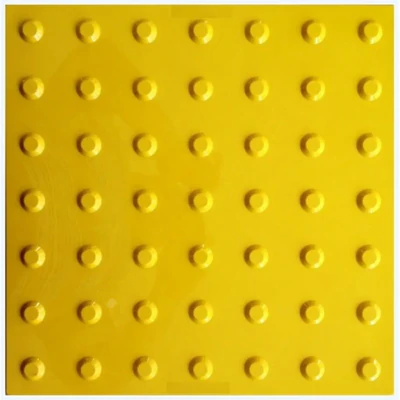
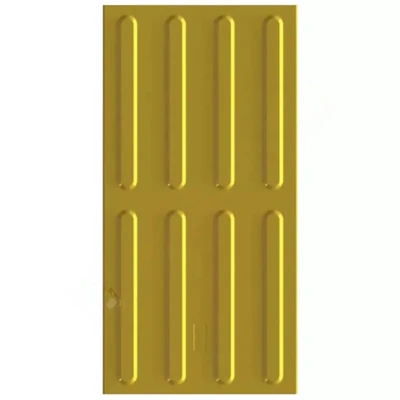
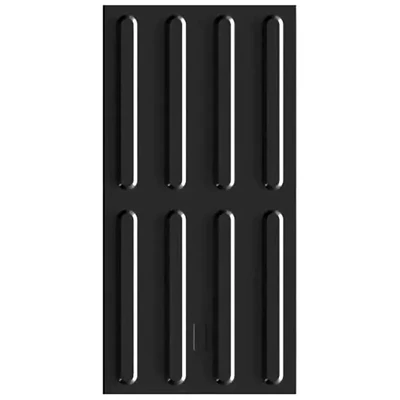
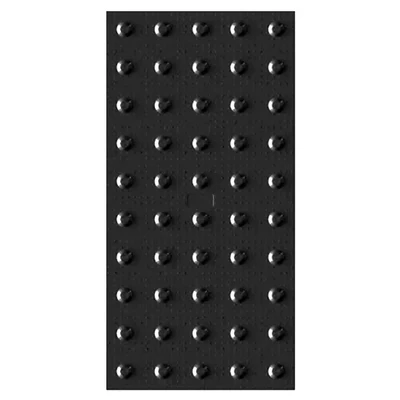
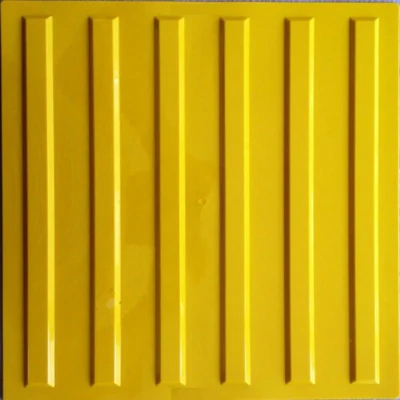
  • patterns in relief (lines or dots)
  • strong visual contrast
  • intensive traffic resistant material
  • High safety grip

These are part of the systems urban accessibility, contributing to the integration of blind or visually impaired people into public space.


Where they are used

Tactical markings are used in areas where orientation is essential and risks should be reduced.

Concrete example:

  • pedestrian crossings and crossings
  • Public transport stations (metro, bus, tram)
  • Railway stations and airports
  • public buildings and institutions
  • shopping malls
  • hospitals and clinics
  • steps and ramps

In practice, they are integrated in clear paths, guiding the user from entry to key points.


How it works

The operation of the tactile markings shall be based on contact detectable differences in texture.

Types of tactile signals:

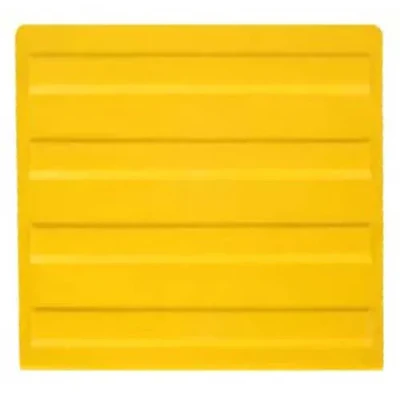
  • Longitudinal lines → indicate direction of movement
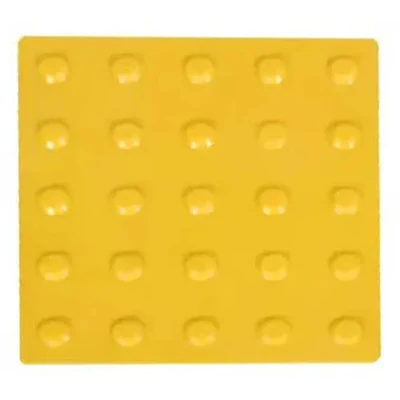
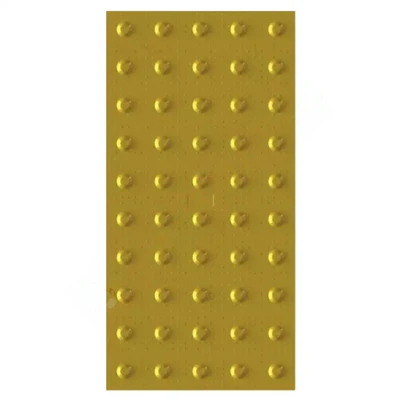
  • points (bombs) → warns about a danger or change

These signals are perceived:

  • with a white stick
  • by foot (walking)

This way, the user can quickly understand:

  • where to go
  • when to stop
  • when following a dangerous area

Why They Are Important

Touch markings are not just a design element, but a critical safety component.

He contributes to:

  • accident prevention
  • increasing the autonomy of the blind
  • compliance with accessibility rules
  • creating an inclusive space

Touch markings are essential solutions for safe guidance of blind people, providing clear guidance and reducing risks in public and private spaces.


Advantage

The use of these solutions brings real benefits:

  • increased safety in agglomerated areas
  • intuitive orientation without assistance
  • adaptability to various surfaces
  • wear resistance and weather conditions
  • relatively fast installation
  • compliance with accessibility legislation

Types of tactile markings

Touch plates

  • prefabricated elements
  • used in large areas
  • durable and durable

Touch carpets

  • flexible
  • ideal for indoor use
  • Easy to mount

Individual touch indicators

  • mount punctually
  • used for warning or guidance

Leading bands

  • continuous path
  • used for clear directional purposes

Differences between options

Plates vs. tactile carpets

  • more durable, suitable outdoor plates →
  • more flexible, suitable inner carpets

Lines vs. points

  • Lines → guide
  • points → warning

Material

  • rubber → flexible, absorbent
  • PVC → economic
  • metal/inox → durable, aesthetic

How to choose correctly

The right choice depends on several factors:

Essential criteria:

  • type of space (interior/exterior)
  • traffic intensity
  • weather conditions
  • type of use (guidement vs warning)
  • legal requirements

Common errors:

  • choosing the wrong material
  • incorrect mounting
  • lack of visual contrast
  • inconsistent location

Quick Checklist:

 Is it visible and contrasting?
 Is it anti-slip?
 Is he following the logical path?
 Is it suitable for intense traffic?
 Is it mounted right?


Install & start up

The installation shall be carefully carried out to ensure efficiency.

General steps:

  1. surface preparation
  2. Tracking
  3. fixing (adhesive, dilute or cast)
  4. checking of alignment
  5. testing of use

Professional assembly is recommended for durability and compliance.


Maintenance & Maintenance

In order to maintain efficiency:

  • regular cleaning
  • verification of adherence
  • replacement of worn elements
  • Keeping visibility (contrast)

Common errors

  • mounting without a clear plan
  • use of cheap, non-compliant products
  • disregarding accessibility rules
  • inadequate maintenance

Solutions:

  • correct design from the beginning
  • selection of certified materials
  • consultation of a specialist

Professional recommendations

From field experience:

  • the routes should be thought from the perspective of the real user
  • continuity is essential (without interruptions)
  • Visual contrast helps including people with partial vision
  • in crowded areas, material resistance makes the difference

In urban projects, the most common problems arise from the lack of proper planning, not from the lack of products.


Why is so special Protrafic

Advantage:

  • road signage experience
  • products complying with standards
  • stocks available quickly
  • Technical expertise
  • solutions adapted to each project

Benefits:

  • rapid delivery
  • support in the right choice
  • Sustainable and tested products

 Discover the full range of tactile markings and choose the right solution for your project.


FAQ

What are the tactile markings for visually odded people?

There are special areas that transmit information by touch for orientation and safety.

Where do tactile markings need to be mounted?

In public areas, pedestrian routes, buildings and spaces with risk or intense traffic.

What's the difference between line and point markings?

The lines point to the direction, and the points point to the dangers.

Are they legally binding?

In many cases, yes, especially in public spaces and institutions.

What materials are the best?

Depends on use: rubber for flexibility, stainless steel for durability.

Can they mount on any surface?

Yeah, with the right fixing solution.

How long does it last?

Quality products can last for years, even in intense traffic.

Need maintenance?

Minimum, but periodic for maximum efficiency.

Can they be used inside as well?

Yes, there are variants specially designed for indoors.

How do I choose the right model?

Depending on purpose (guide or warning) and location.


  • See available products
  • Choose the right solution for your project
  • Ask for specialized advice
  • Discover the full range
  • Optimize your space security

Conclusion

Touch markings are a key investment in safety, accessibility and social responsibility.
Choose the right solutions and create a space where orientation becomes natural for all users.

  • Don't you know what kind of marking you need? Helping you choose
  • Do you have a project going on? Ask for advice
  • Check products suitable for indoor or outdoor use

Subscribe to our newsletter and never miss a promotion

Get our offers and news once a month. You can unsubscribe at any time.
Cookie settings

Choose which categories you accept. Strictly necessary cookies are always active; the others start only with your consent and you can change them at any time. Cookie policy

They make the site work: shopping cart, favourites, customer account sign-in, form security and remembering your cookie choice. They cannot be disabled.

What we store (5)
  • erp-consent · This site · Stores your cookie choice. Duration: 365 days.
  • erpShop.cart · This site · Products in your shopping cart. Duration: until the cart is emptied.
  • erpShop.fav · This site · Products you saved to favourites. Duration: until you delete them.
  • __Host-*_sess · This site · Keeps you signed in to your customer account. Duration: session (12 hours) or 30 days with “Remember me”.
  • __Host-*_csrf · This site · Security: protects account forms against forged requests. Duration: session.

Remembers recently viewed products so you can find them easily. The data stays only in your browser.

What we store (1)
  • erpShop.seen · This site · Recently viewed products. Duration: until you delete them.

Shows us which pages are visited and how the site is used, so we can improve it (Google Analytics).

What we store (2)
  • _ga · Google Ireland Ltd. (Google Analytics) (third party) · Distinguishes visitors for visit statistics. Duration: 2 years.
  • _ga_4009D1RE45 · Google Ireland Ltd. (Google Analytics) (third party) · Keeps the state of the visit session. Duration: 2 years.

Video clips played directly on YouTube (Google). When playing, YouTube can store data in the browser.

What we store (1)
  • YSC, VISITOR_INFO1_LIVE, yt-remote-* · Google Ireland Ltd. (YouTube) (third party) · Video playback and YouTube statistics; only after you start a video. Duration: session – 6 months.
Third-party providers (2)