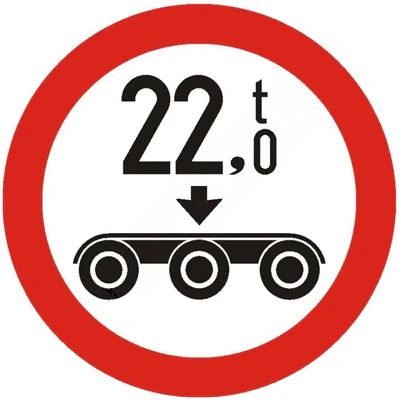
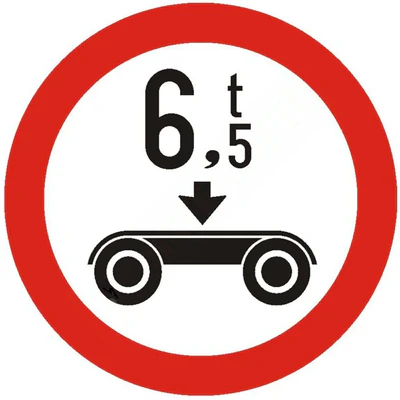
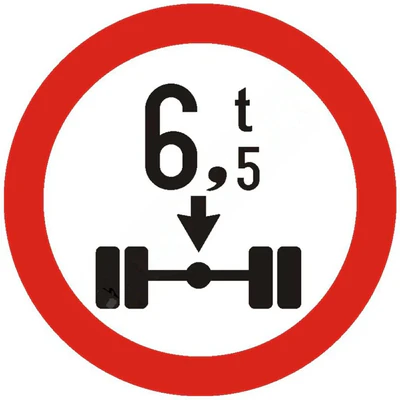
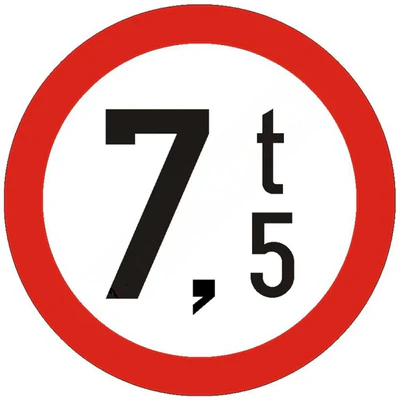
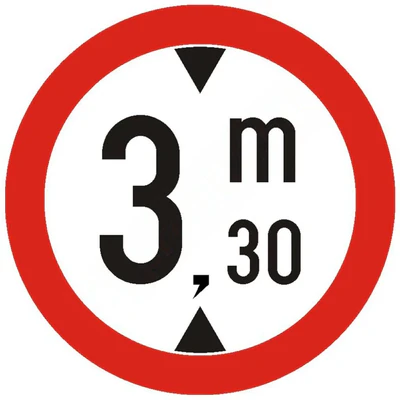
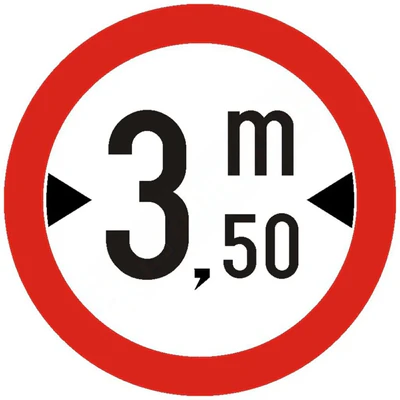
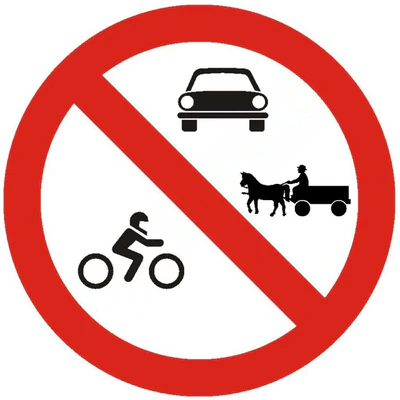
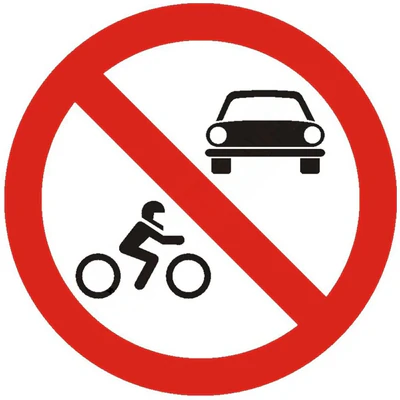
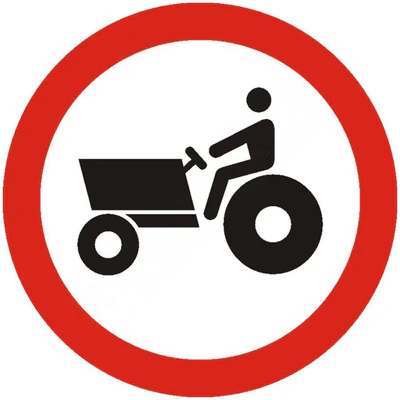
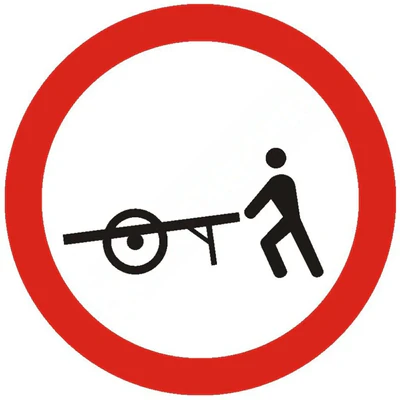
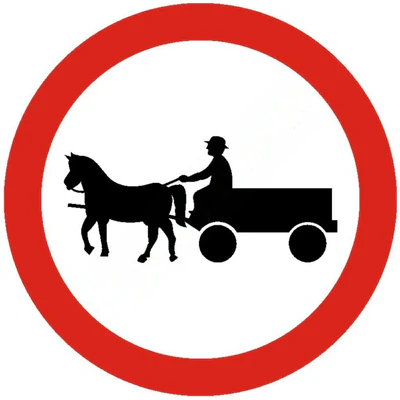
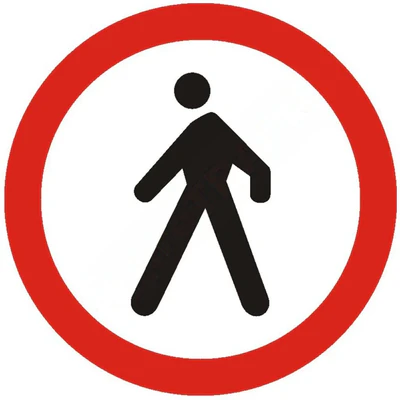
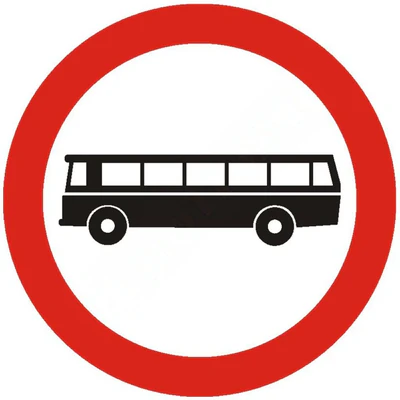
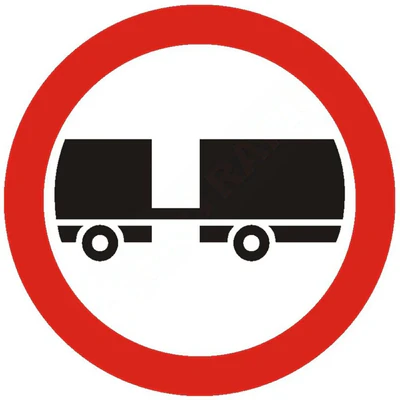
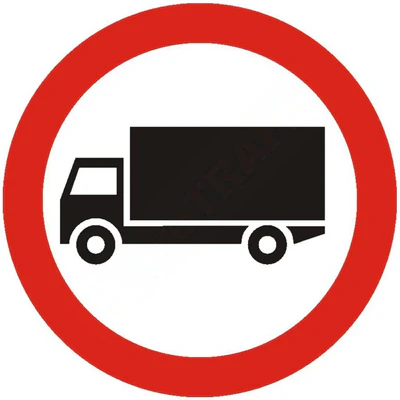
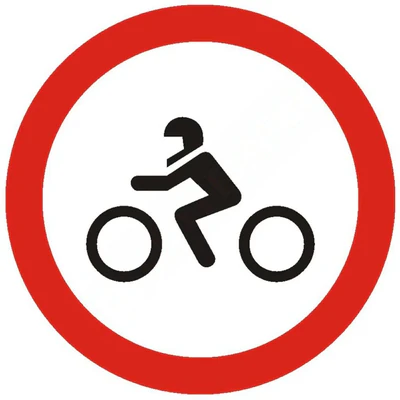
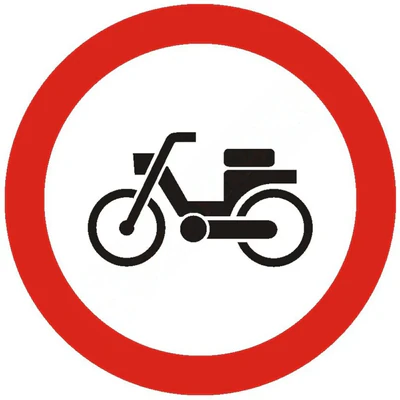
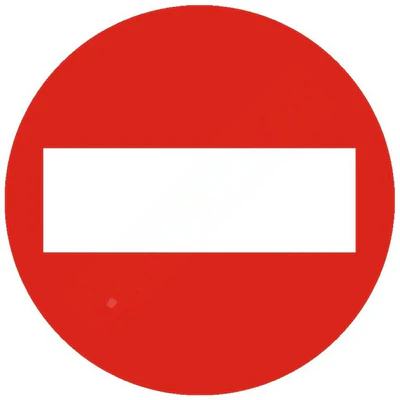
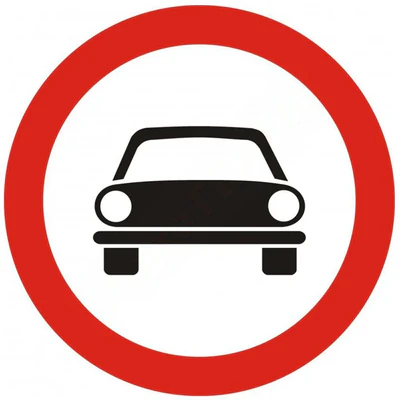
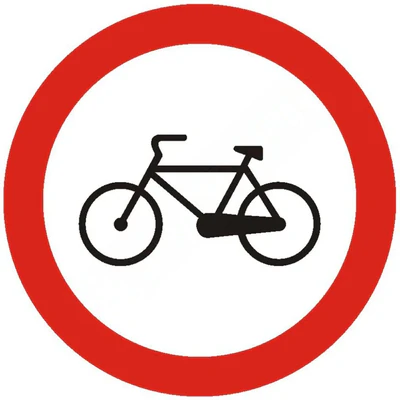
Prohibition signs are essential for traffic control and the prevention of dangerous situations, both on public roads and in private or industrial spaces. These road signs shall transmit quickly and clearly what is prohibited: access, stopping, passing over or certain types of vehicles. They are used by authorities, construction companies, logistics or parking managers to organise traffic safely and efficiently. The correct choice of these solutions contributes directly to risk reduction and compliance with traffic rules.
What are the prohibition indicators
Prohibition indicators are part of the category of road signs that transmit clear and binding restrictions for participants in traffic.
These are easy to recognise by:
- round shape
- white background
- Red border
- Black or red symbols
Their role is simple: prohibit certain actions to prevent accidents and maintain order in traffic.
Where they are used
In public road traffic
- national roads and county
- intersections and hazardous areas
- urban and rural areas
In private or industrial spaces
- commercial parking
- Logistical deposits
- construction
- industrial platforms
In areas with controlled access
- institutions
- Residential assemblies
- Commercial spaces
These signs are indispensable where needed precise movement control.
How it works
Their operation is based on visibility + universal symbol + correct positioning.
A prohibition indicator:
- quickly transmits the message by symbol
- is located before the restricted area
- este realizat din materiale reflectorizante pentru vizibilitate nocturnă
In other words, the driver understands instantly what he is not allowed to do, without any ambiguity.
Why They Are Important
Without these indicators, traffic would become chaotic and dangerous.
It contributes directly to:
- accident prevention
- protection of pedestrians
- flow of circulation
- compliance with the legislation
In many situations in the field, the absence of a sign of prohibition leads to:
- Unauthorized access
- blocking
- costly incidents
Advantage
The correct use of these signs brings real benefits:
- Immediate clarity for traffic participants
- Risk and incident reduction
- Compliance with road rules
- Durability in difficult weather conditions
- Increased visibility day/night
- Easy installation and maintenance
Types of prohibition indicators
Prohibition of access
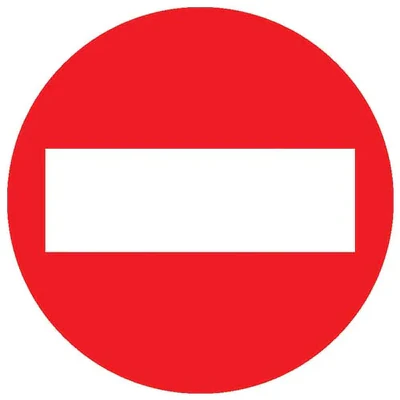
- access prohibited
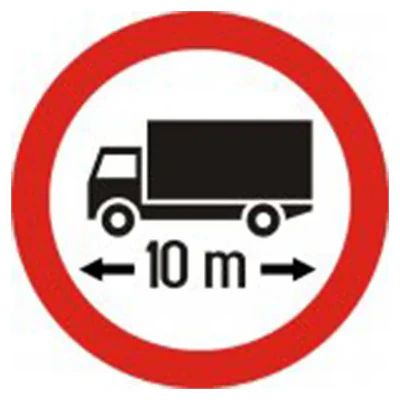
- access prohibited to certain vehicles
Prohibition of manoeuvres
- the prohibited exceedance
- not allowed turn
- forbidden return
Restrictions on stopping and parking
- forbidden stop
- Parking prohibited
Specific limitations
- speed limit
- tonnage limit
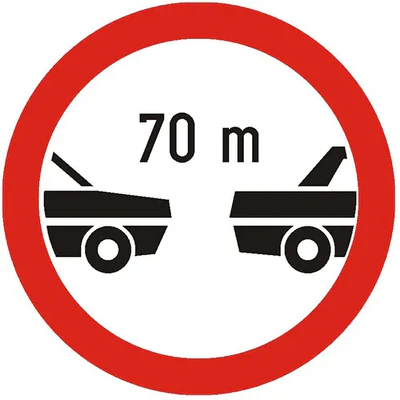
- restrictions for certain types of vehicles
Differences between options
Not all indicators are identical. Differences occur in:
Material
- galvanized table
- Aluminium
Reflective Grade
- class 1 – use standard
- Class 2 – enhanced visibility
- Class 3 – intense traffic or difficult conditions
Size
- for localities, communal roads, county roads
- for national roads, express
- For motorways
The right choice depends on location and level of traffic.
How to choose correctly
Essential criteria
- type of restriction required
- Road category
- applicable legal regulations
Mistakes to avoid
- choosing a reflective degree too small
- wrong height mounting
- use of inappropriate dimensions
- location too late (after restriction area)
Quick Checklist
- clear and correct message
- good visibility
- Mounting according
- durable material
Install & start up
The correct assembly is essential for efficiency.
General steps:
- choice of visible position
- fixing to post or support
- compliance with the standard height
- correct traffic orientation
A wrong mounted indicator may become useless.
Maintenance & Maintenance
To maintain its efficiency:
- periodically check visibility
- clean the reflective surface
- replaces damaged signs
- check the catch system
The worn or dirty signs quickly lose their efficiency.
Common errors
- Location in hidden areas
- use of non-compliant symbols
- ignoring legal rules
- wrong combination with other indicators
Solution: proper planning and consultation of a specialist.
Professional recommendations (from the field)
In real projects, the most common problems arise from:
- Underestimation of night visibility
- material savings (leading to rapid replacements)
- lack of a clear signaling scheme
Recommendation:
Always choose pleasant and approved indicators with quality reflective sheets and strategic positioning, not just "something visible".
In practice, prohibition indicators are essential for the organisation of traffic, accident prevention and compliance in any public or private space, providing clarity and safety under any conditions.
Why choose Protrafic signs
- actual road signage experience
- products complying with standards
- stocks available quickly
- effective delivery
- Specialized technical support
- advice for the correct choice
Competitive advantage
- full range
- verified quality
- solutions adapted to your project
- Quick availability
- Discover the full range of indicators available
- Choose the right solution for your project
- See products and technical specifications
For a complete solution, you can explore:
FAQ – Frequently Asked Questions
What does the prohibition indicator mean?
It's a road sign that indicates a prohibited action, such as access or stopping.
Where are the prohibition signs mounted?
Before the area where the restriction becomes valid.
Are they mandatory in private spaces?
Yes, if the organisation and safety of internal traffic is desired.
What material is the most recommended?
Reflective sheet metal for durability and visibility.
What dimension should be chosen?
Depends on the type of road and the speed of travel.
How do I choose the level of reflection?
For urban areas – standard; for intense traffic – upper level.
Can they be customized?
Yes, in some cases, according to regulations.
How long does an indicator last?
Under normal conditions, a few years, depending on the material and exposure.
What mistakes should be avoided?
Incorrect assembly and choice of a non-compliant product.
Is there a need for maintenance?
Yes, to maintain visibility and efficiency.
- Choose correctly, avoid risks
- Proper signaling makes the difference
- Safety starts with clear decisions
- Invests in visibility and sustainability
- Controls efficient traffic
Conclusion
Prohibition indicators are a key element in any effective and safe signalling system.
Explore the range available and choose solutions that fit your needs perfectly.