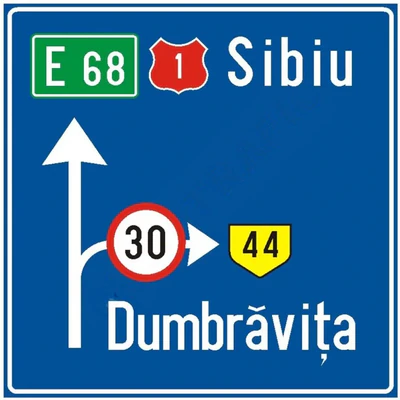
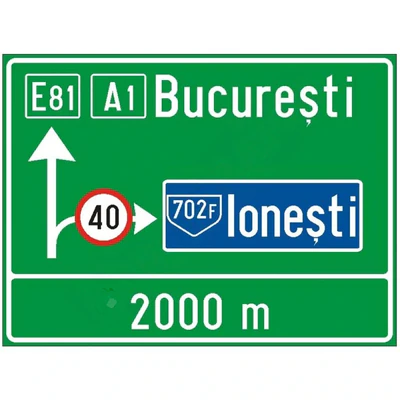
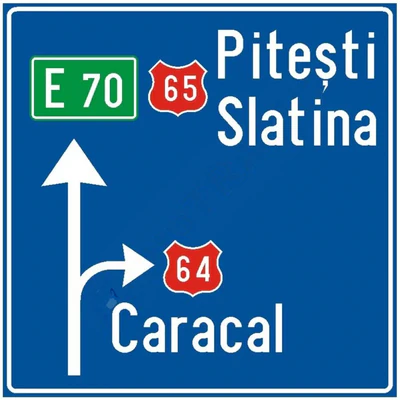
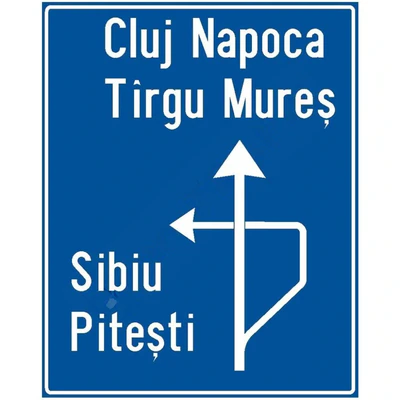
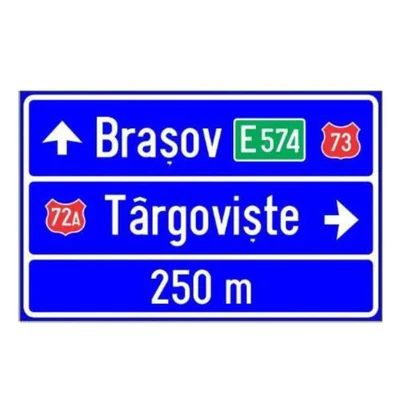
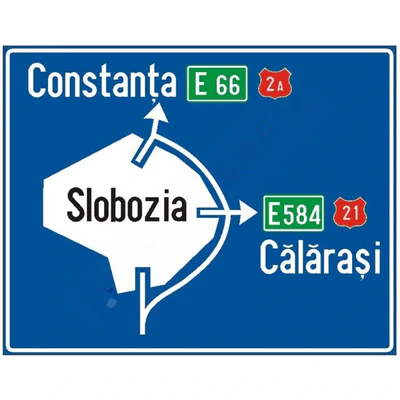
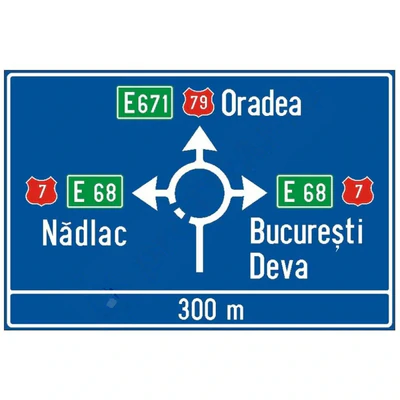
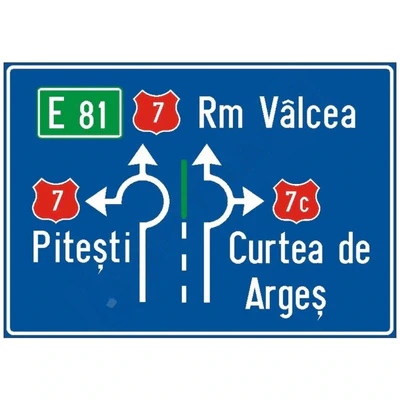
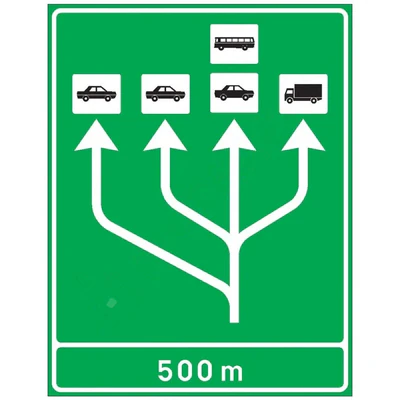
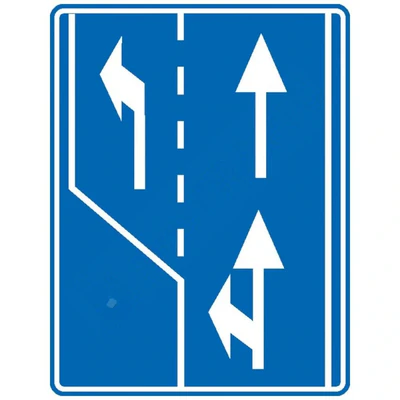
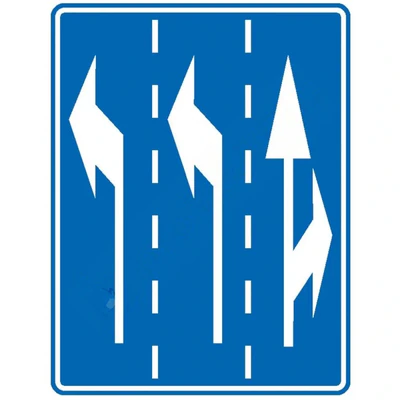
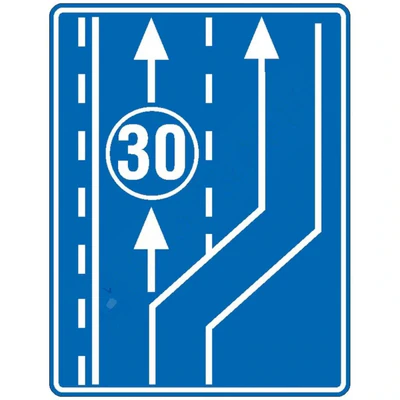
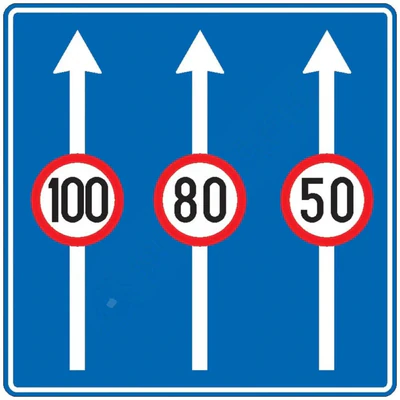
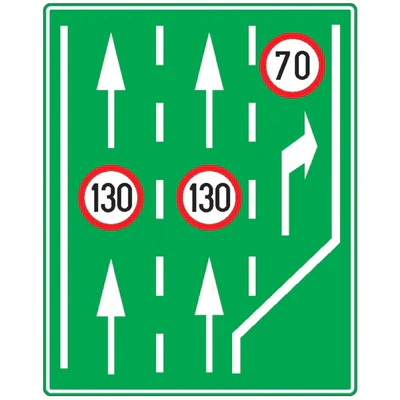
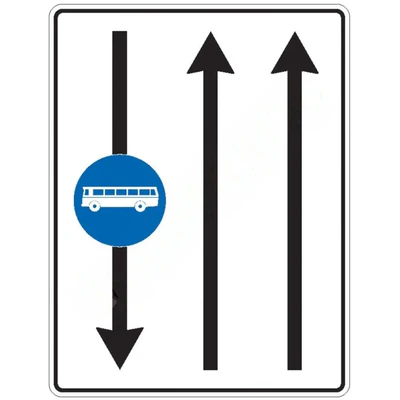
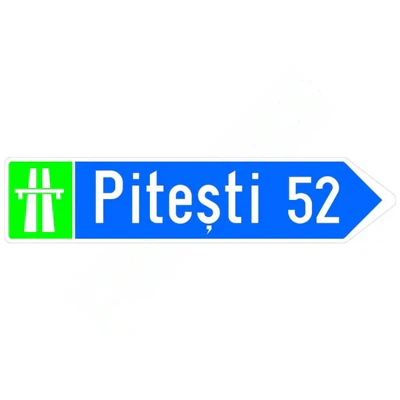
Direction signs are essential for the organisation and smoothing of traffic, providing clear information on important routes, routes and destinations. They are used in both urban and national or motorway roads, and are essential for drivers, road managers and infrastructure projects. If you want to ensure efficient circulation, reduce confusion or improve the experience of traffic participants, the correct choice of these indicators becomes a key step.
What are guidance indicators
The guidance indicators are: Information road signs which helps the traffic participants to set the right path.
These do not impose rules, but offer:
- direction of movement
- information about localities
- distances to destinations
- hints about main or alternative roads
I'm easy to recognize by:
- Specific colour (green, blue or white, depending on the type of road)
- clear and legible text
- standardized symbols
Where they are used
The guidance indicators are present in almost any type of road infrastructure.
Common areas of use:
- important intersections
- Entry and exit from cities
- Roads and express roads
- tourist areas
- parking lots and logistics areas
- industrial or commercial areas
Concrete example:
- guidance to a city or neighborhood
- Direction to airport or station
- indication of alternative routes in case of intensive traffic
How it works
The operation of these indicators shall be based on visual clarity and standardisation.
The main elements include:
- legible text from distance
- directional arrows
- Road codes (e.g.: DN, A1)
- universal symbols
The materials used are, as a rule:
- durable aluminium
- Table
- High-visibility reflective film
This allows:
- visibility day/night
- weather resistance
- durability in time
Correct integration of a Reflective guidance indicator may make the difference between a clear path and a wrong decision in traffic.
Why They Are Important
Their role exceeds mere information.
Actual impact:
- reduce driver stress
- lower risk of dangerous maneuvers
- improving traffic flow
- contribute to road safety
Without clear indicators:
- Drivers may miss out on major exits
- traffic jams may occur
- increases the risk of accidents
Advantage
The correct use of these solutions brings obvious benefits:
- fast and intuitive orientation
- reduction of travel time
- increasing traffic safety
- adaptability to any type of road
- long-term sustainability and reduced costs
Types / variants
There are several types of guidance indicators, each with a specific role.
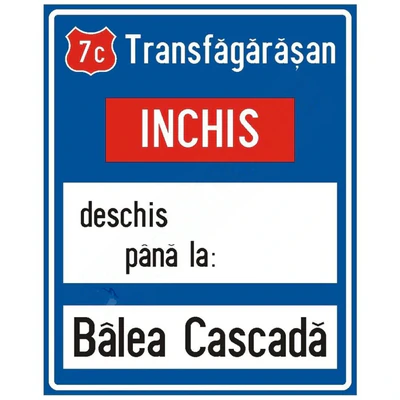
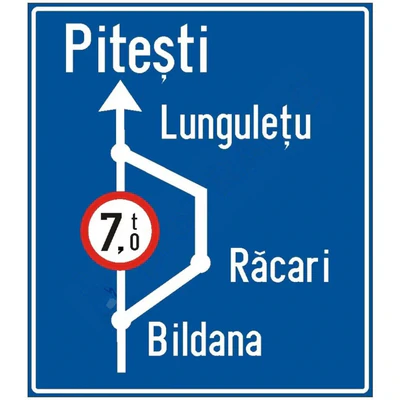
Direction indicators
- shows the route to major locations or points
- Containing arrows and designations
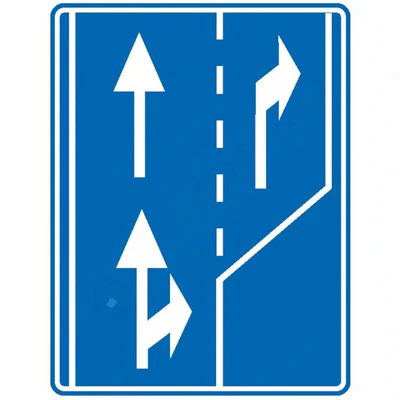
Advance warning indicators
- notify available directions in time
- useful before complex intersections
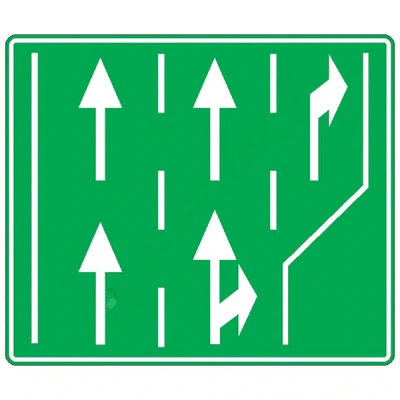
Motorway indicators
- provide information about exits and distances
- use specific colors and symbols
Tourist signs
- highlights important objectives
- include visual symbols
Local indicators
- used in cities or parks
- directs to institutions or areas of interest
Differences between options
The right choice depends on several factors.
Main differences:
- size – different visibility depending on speed and distance
- Reflective material – different levels of night visibility
- complexity – simple (one direction) vs. complex (more destinations)
- type of assembly – on the post, portal or suspended structure
How to choose correctly
Important criteria:
- Road type (urban, national, motorway)
- average displacement speed
- the required distance of visibility
- weather conditions in the area
- traffic flow
Mistakes to avoid:
- choice of too small dimensions
- incorrect location
- use of weak reflective materials
- too crowded information
Quick Checklist:
- Is it visible from a distance?
- Is it easy to understand from walk?
- Do they respect the standards?
- Is it positioned right?
Install & start up
The assembly must be carefully carried out to ensure efficiency.
General steps:
- Choosing the optimal position
- fixed to stable support
- verification of the visibility angle
- nighttime visibility testing
In large projects, it is recommended that they be integrated into a full signaling plan.
Maintenance & Maintenance
In order to remain effective, indicators require regular checks.
Recommendations:
- cleaning of the reflecting surface
- Checking the catch structure
- replacement in case of deterioration
- regular visibility control
Common errors
Some errors occur frequently in practice:
- mounting too low or too high
- location in areas with reduced visibility
- use of unclear messages
- failure to adapt to actual traffic flow
Solutions:
- compliance with technical standards
- field testing
- consultation of a specialist
Professional recommendations (based on experience)
In actual signaling projects, the difference is seen in detail.
From field experience:
- too small indicators become useless at high speeds
- wrong position creates confusion even if the sign is correct
- Unmoved and unmoved indicators which are non-compliant
Practical advice: invests in good quality and dimensioning reflective materials – the initial higher cost is quickly amortised through sustainability.
Naturally, a full description could sound like this:
The guidance indicators provide clear information on directions and destinations, contributing to the safety and smoothing of traffic on any road.
Why choose the right solutions
The correct choice of products directly influences the efficiency of the road system.
Advantage:
- products complying with standards
- varied range for any application
- high sustainability
- Specialized technical support
What matters is:
- Quick availability
- In-choice advice
- customized solutions
Competitive advantage
- constant stocks
- rapid delivery
- technical advice
- products tested in real conditions
- compatibility with complex projects
For a complete choice, you can explore and:
FAQ – Frequently Asked Questions
What are guidance indicators and what are they used for?
There are road signs that provide directions and information about destinations, helping drivers to steer correctly.
Where are the guidance signs mounted?
In intersections, on highways, on entrances to cities and areas with intense traffic.
What is the difference between guidance and warning indicators?
The guidance informs, while the warning alerts point to dangers.
What material is recommended for maximum visibility?
High performance reflective follicles are essential for nighttime visibility.
How do I choose the right size?
Depending on the speed and distance from which the indicator is to be read.
How often do they have to be maintained?
Periodic checks, at least annually, are recommended.
Can the indicators be customized?
Yes, depending on the project and specific needs.
Are these indicators mandatory?
Yes, in many situations they are imposed by road signs.
What mistakes often appear in the choice?
Mistaken dimensions, incorrect positioning and lack of proper reflection.
Can they also be used in private spaces?
Yes, they are frequently used in parks, industrial areas and shopping centres.
Conclusion
The guidance indicators are essential for safe and well-organised traffic, contributing directly to clarity and efficiency in movement.
If you want to choose the right solution, explore the options available and adapt them to the real needs of your project.
- Discover the full range of indicators available
- Choose the right solution for your project
- See products and technical specifications
- Request advice for correct choice
- Optimize efficient road signage