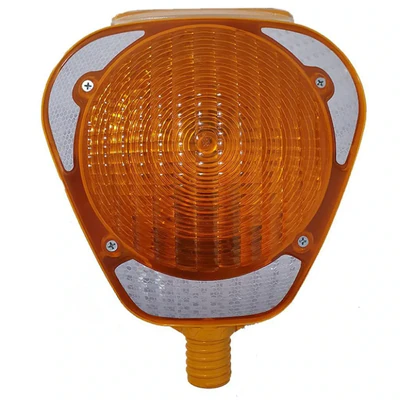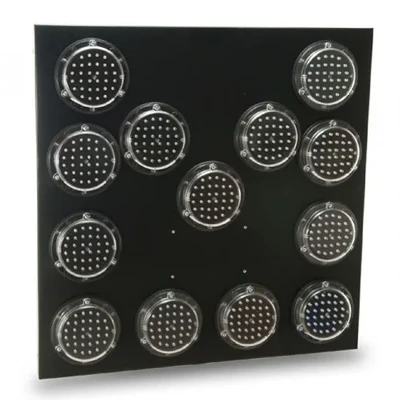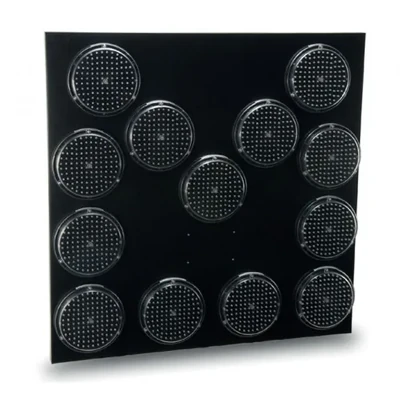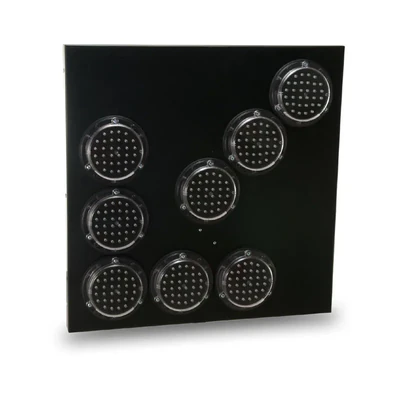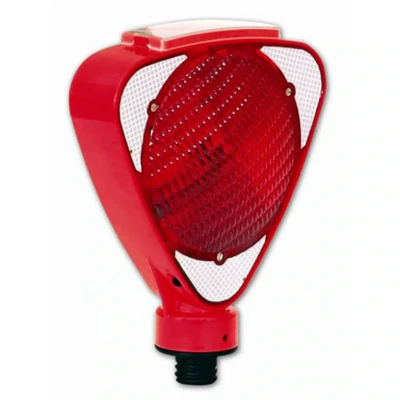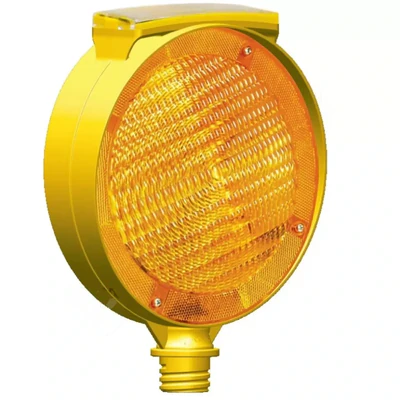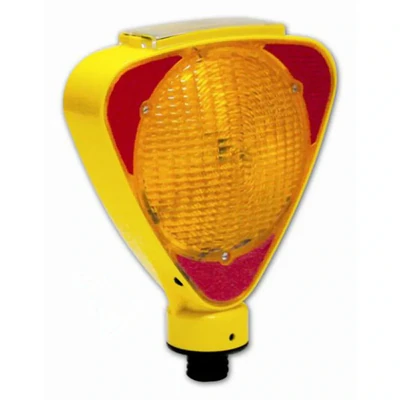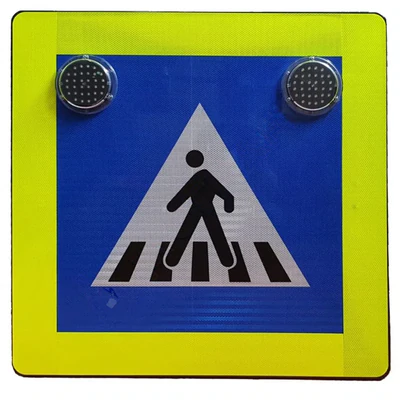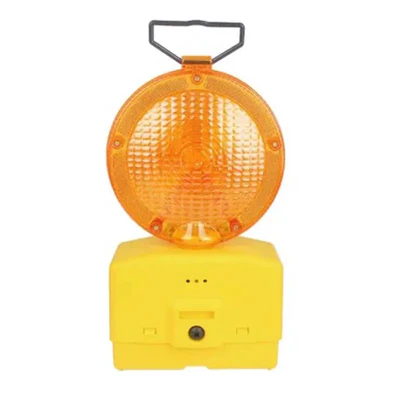
Road light lamp with yellow light
67,00 lei
In stock
in Request a quote – Road light lamp with yellow light See options – Road light lamp with yellow lightWe use strictly necessary cookies to run the site and, only with your consent, to remember viewed products, for visit statistics and for YouTube video playback. You can change your mind at any time from “Cookie settings” at the bottom of the page. Cookie policy
Technical advice: 0725 404 404 · Fast delivery nationwide · Blog
Light signaling includes LED systems and traffic lights that increase visibility and safety in traffic and work areas.
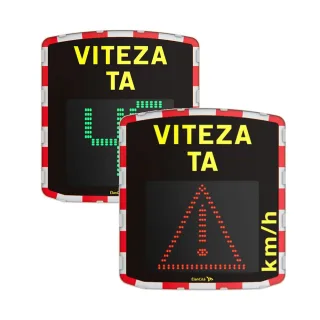 Speed signs
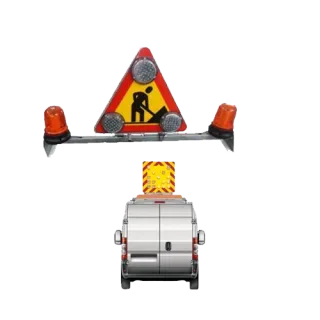 Vehicle signalling
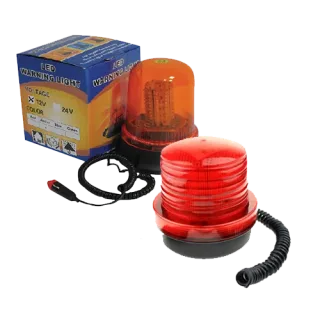 Beacons and light bars
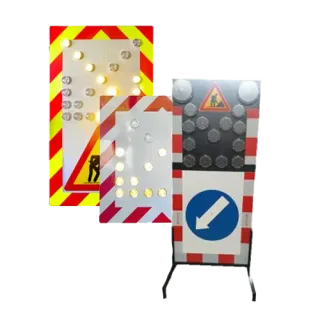 LED signs
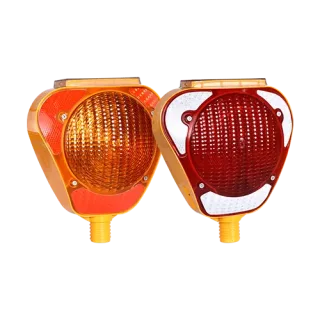 Flashing lights
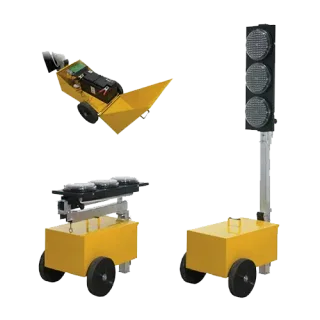 Mobile traffic lights
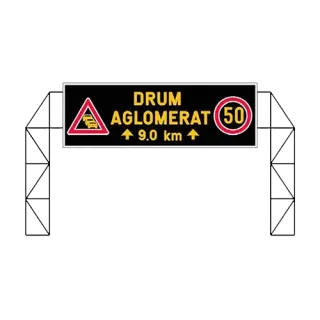 Variable message panels
67,00 lei
In stock
in Request a quote – Road light lamp with yellow light See options – Road light lamp with yellow light100,00 lei
In stock at supplier
sup Request a quote – Solar lamp for yellow works See options – Solar lamp for yellow works2.700,00 lei
In stock at supplier
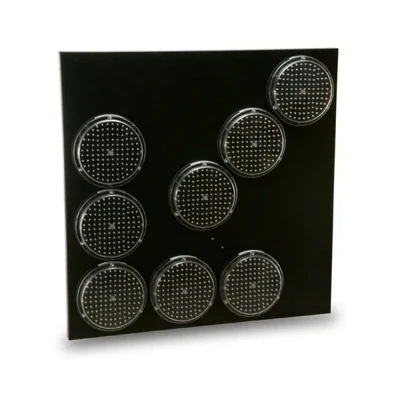
sup Request a quote – Directional panel with 8 LED-URI, diameter 100 mm, 60 x 60 cm See options – Directional panel with 8 LED-URI, diameter 100 mm, 60 x 60 cm3.808,00 lei
In stock at supplier
sup Request a quote – Directional panel with 8 LED-URI, diameter 200 mm, 90 x 90 cm See options – Directional panel with 8 LED-URI, diameter 200 mm, 90 x 90 cm1.350,00 lei
In stock at supplier
sup7 variant
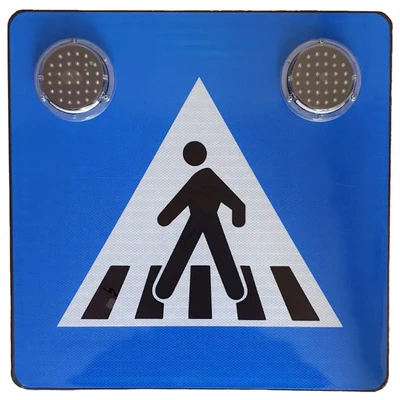
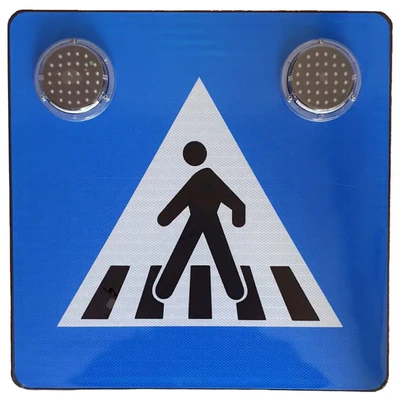
Request a quote – Passing pedestrians G1 with Led, public lighting, with accumulator See options – Passing pedestrians G1 with Led, public lighting, with accumulator1.660,00 lei
In stock at supplier
sup7 variant
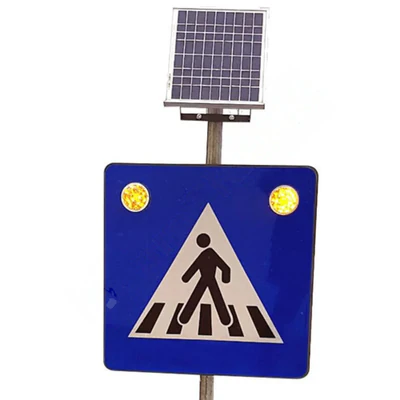
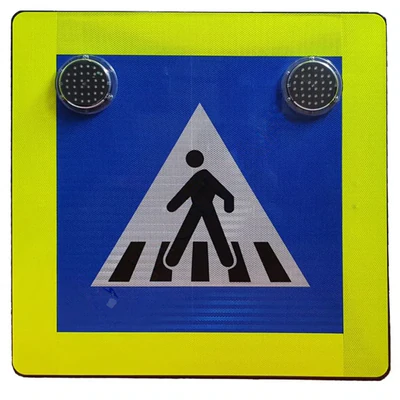
Request a quote – LED indicator Pedestrian passage and photovoltaic panel See options – LED indicator Pedestrian passage and photovoltaic panel1.000,00 lei
In stock at supplier
sup7 variant
Request a quote – Indicator Passage pedestrians G1 with Led, supply to public lighting, without accumulator See options – Indicator Passage pedestrians G1 with Led, supply to public lighting, without accumulator3.060,00 lei
In stock at supplier
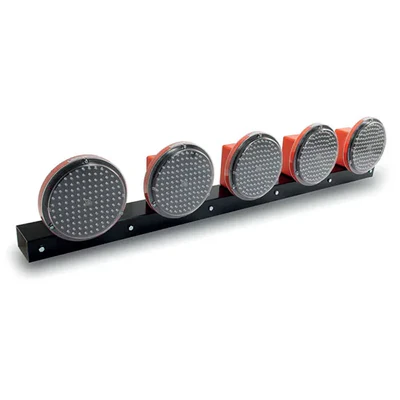
sup Request a quote – LEDs traffic guide, 5 x 120 LEDs, with remote control See options – LEDs traffic guide, 5 x 120 LEDs, with remote control900,00 lei
In stock at supplier
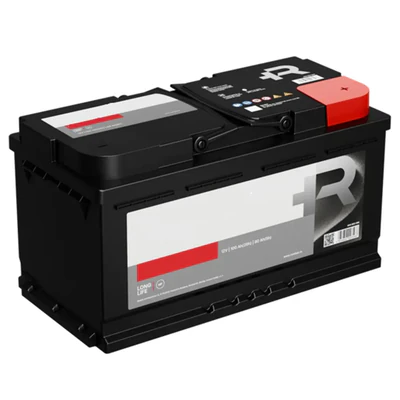
sup Request a quote – 12 V, 100 Ah traffic light See options – 12 V, 100 Ah traffic light1.200,00 lei
In stock at supplier
sup7 variant
Request a quote – Indicator with flashes Passing pedestrians G2, power to public lighting, without accumulator See options – Indicator with flashes Passing pedestrians G2, power to public lighting, without accumulator145,00 lei
In stock
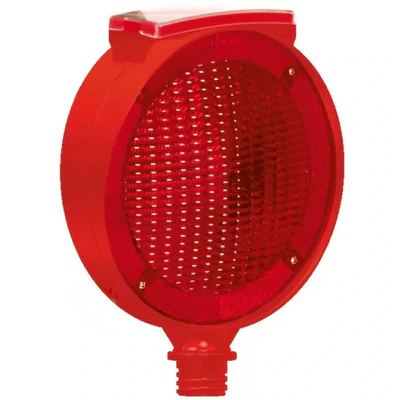
in Request a quote – Flashing light with red flashing light See options – Flashing light with red flashing light109,00 lei
In stock
in Request a quote – Lamp for signalling yellow works See options – Lamp for signalling yellow works145,00 lei
In stock
in Request a quote – Solar signalling lamp See options – Solar signalling lamp1.750,00 lei
In stock at supplier
sup7 variant
Request a quote – Light indicator Passing pedestrians G2, feeding to public lighting, with accumulator See options – Light indicator Passing pedestrians G2, feeding to public lighting, with accumulator1.900,00 lei
In stock at supplier
sup7 variant
Request a quote – G2 pedestrian passage with LEDs and photovoltaic panel See options – G2 pedestrian passage with LEDs and photovoltaic panel1.550,00 lei
outOut of stock
Request a quote – Indicator with Road flashes in working See options – Indicator with Road flashes in workingPrice on request
In stock at supplier
sup6 variant
Request a quote – Road sign with built-in radar and EVOLIS solar panel See options – Road sign with built-in radar and EVOLIS solar panel1.096,00 lei
In stock
in7 variant
Request a quote – Road sign bright pedestrian passage with solar panel See options – Road sign bright pedestrian passage with solar panel9.170,00 lei
In stock
in Request a quote – Light signaling panel See options – Light signaling panel1.300,00 lei
In stock
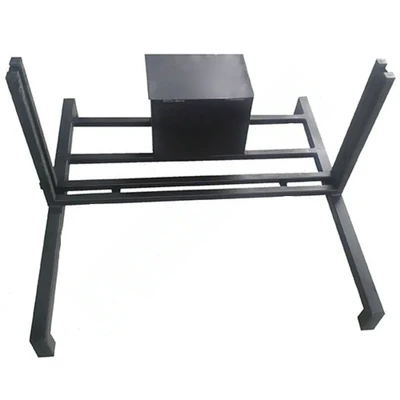
in Request a quote – Support panel lights See options – Support panel lights6.500,00 lei
In stock
in4 variant
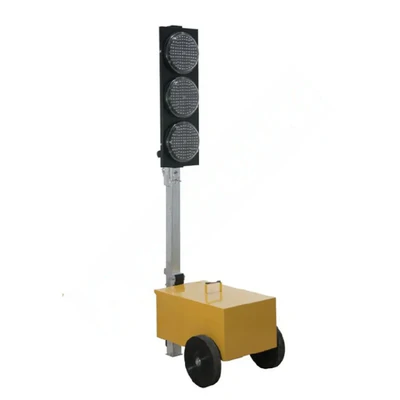
Request a quote – Semafor mobile model 1 See options – Semafor mobile model 1We didn't find any products for the chosen filters.
Light signaling is one of the most effective methods of attracting attention and controlling traffic in difficult conditions or in areas at increased risk. From road work to emergency intervention, these systems are essential to protect traffic participants and field personnel. Category is dedicated to construction, infrastructure, logistics and road safety professionals who need visible, reliable and easy to implement solutions. Whether we're talking about LED panels, temporary traffic lights or giraffes, the simple goal is to prevent accidents and organise traffic efficiently.
Traffic lighting systems are visual equipment that use intermittent, directional or constant light to transmit clear information in real time.
These include:
Their role is to complete or replace the classic signal in situations where visibility is reduced or rapid reaction is essential.
Light-based signaling is used in particular in dynamic contexts:
There are scenarios where these systems become indispensable:
Most equipment uses LED technology due to:
The light signals may be:
Depending on the application, the systems may be:
In the field, the difference between a safe area and a dangerous one is often due to visibility.
Light signaling:
A relevant form for search engines could be: efficient light signalling for works and traffic, based on modern LED technologies, which improves visibility and reduces risks under any conditions.
The actual benefits to users are evident:
Not all solutions are suitable for any situation.
The major differences are:
For example:
The process is generally simple:
For complex systems (e.g. traffic lights), initial configuration by specialist personnel is recommended.
For optimal operation:
Solution: planning and choosing the right equipment.
From field experience:
We work directly with professionals in the field and understand the real needs of the field.
It is a LED-based warning and guidance system or visual signals for traffic and works.
In road works, interventions and situations where standard visibility is not sufficient.
The panel informs or warns, the traffic light effectively controls the traffic.
Yes, modern equipment is visible and in strong light.
Depends on the application: batteries for mobility, network for long-term use.
Yes, most of them are certified for outdoor use.
From a few minutes (swallow) to a few hours (complex systems).
Yes, some systems allow programming and synchronization.
In general, over 30,000–50,000 hours of operation.
Depending on the distance of visibility required and the environmental conditions.
Light signaling is an essential element for efficient traffic safety and control in any dynamic context.
Choose the right equipment and adapt the solution to the real needs for safe and visible results.
Get our offers and news once a month. You can unsubscribe at any time.