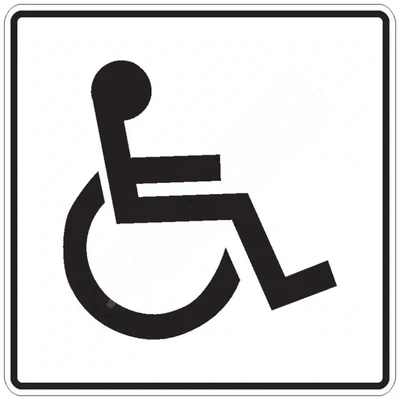
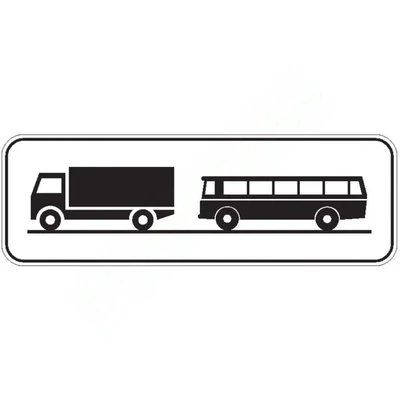
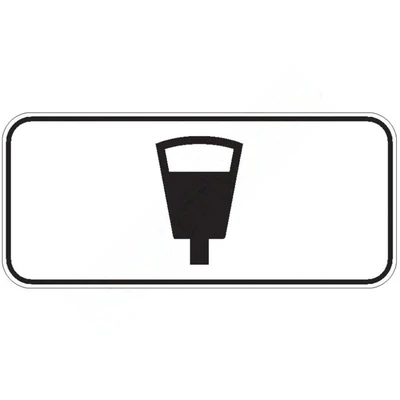
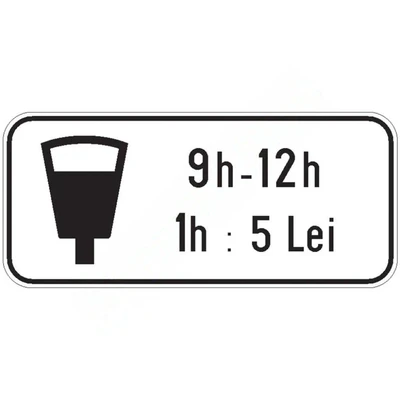
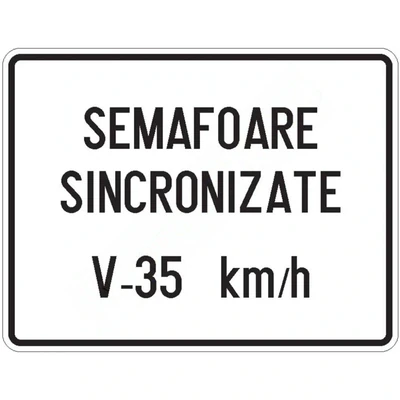
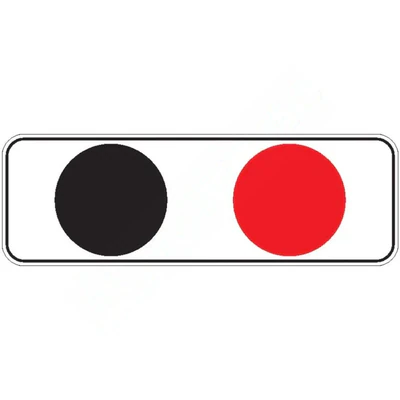
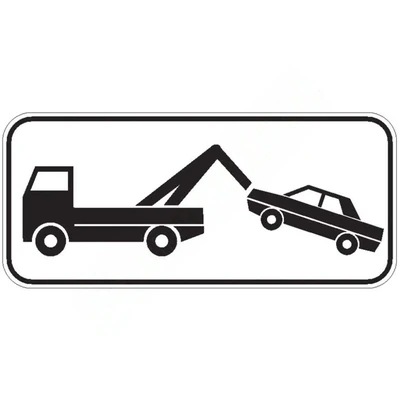
Additional panels complete the road signs and provide essential information for the correct interpretation of them in traffic. They are used to detail restrictions, time intervals, exceptions or specific conditions and are indispensable in areas where the rules cannot be fully expressed by a single indicator. For road managers, authorities and infrastructure projects, these plates contribute to a clear, coherent and secure signaling. Choosing and using additional panels correctly reduces ambiguities and prevents misinterpretations in traffic.
What are additional panels
The additional panels are complementary elements of road signs, mounted under indicators to explain, restrict or extend their meaning.
They do not work independently, but only together with the main indicator.
Their role is to answer questions such as:
- "When does this rule apply?
- "For whom is it valid?
- "Under what conditions?
By these additions, the message becomes clear and unambiguous.
Where they are used
In the urban environment
- resident areas
- public parking
- agglomerated intersections
On national roads and on county roads
- tonnage restrictions
- specific weather conditions
- dangerous areas
In special areas
- temporary construction
- industrial zone
- Logistical spaces
These plates are essential where standard rules need to be adapted to the real context.
How it works
The operation is simple: the additional panel modify or clarify the meaning of the main indicator.
Example of interpretation
- Indicator ‘Prohibited access' + panel ‘except for riverside residents'
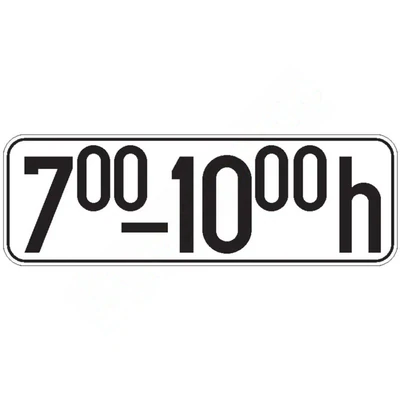
- ‘Prohibited parking place' + panel ‘08:00–18:00
- indicator ‘Limiting tonage + panel' excluding local transport
Filled element
- clear text or symbols
- position under indicator
- Quick readability
These allow the driver to make the right decisions in a few seconds.
Why They Are Important
Without additional panels, many indicators would be incomplete or misinterpreted.
Actual impact:
- removes the ambiguity
- reducing traffic conflicts
- I'm increasing compliance
- improving road safety
In their absence, the same rules may be understood differently from each traffic participant.
Advantage
Proper use brings clear benefits:
- total clarity in the interpretation of indicators
- adapting the rules to real situations
- Flexibility in signalling
- reducing human errors
- easy integration into existing infrastructure
- sustainability and high visibility
Types / variants of additional panels
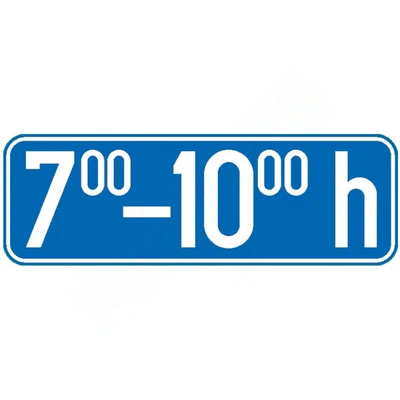
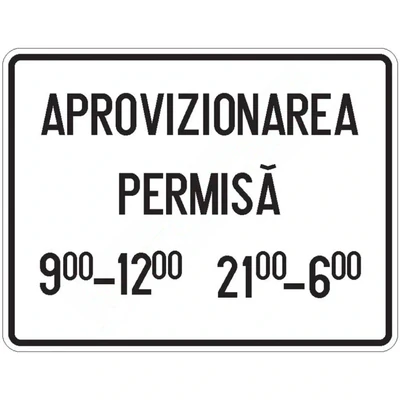
Time-range panels
Indicates the period of application:
- hours
- days
- special interval
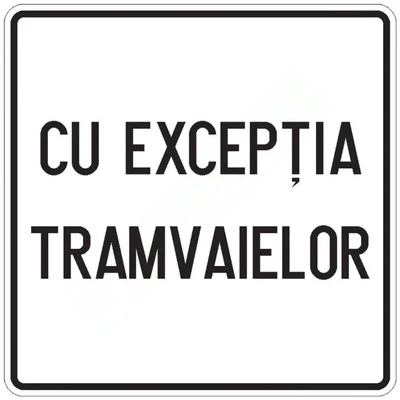
Panels with exceptions
Specifies who is exempted:
- Waterfront
- public transport
- supply
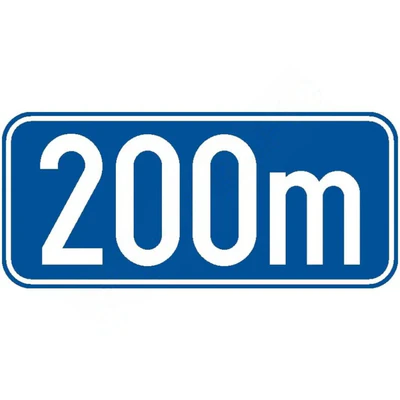
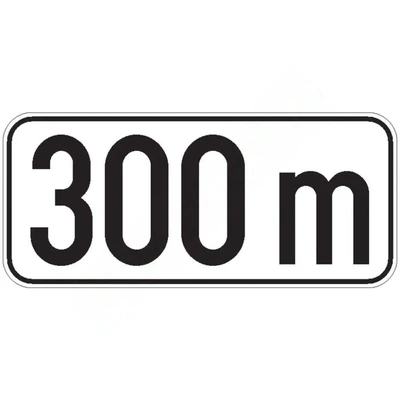
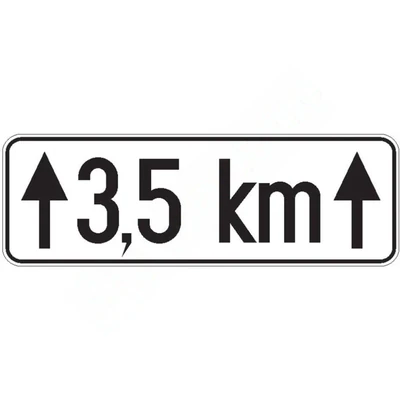
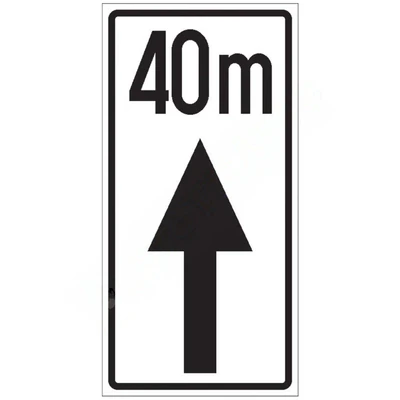
Remote panels
Shows the area of application:
- „200 m”
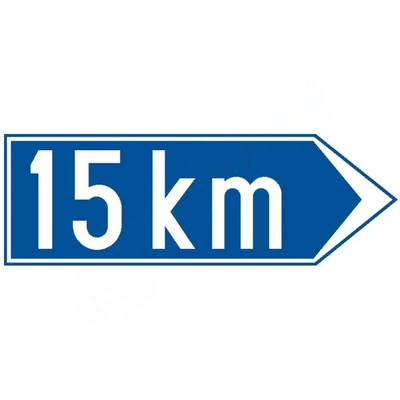
- "on the next 2 km"
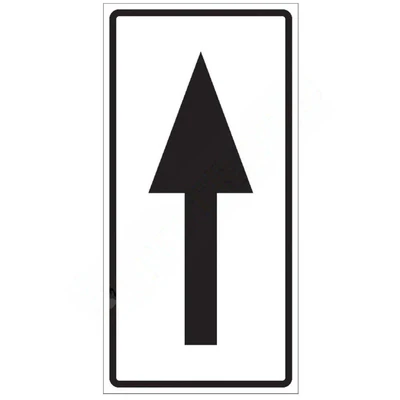
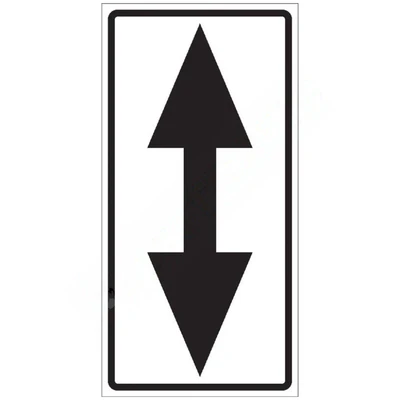
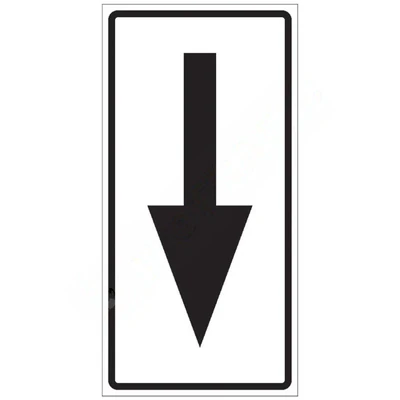
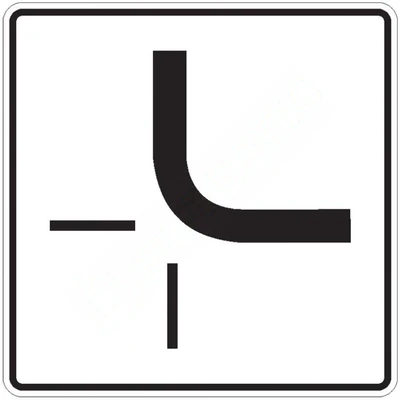
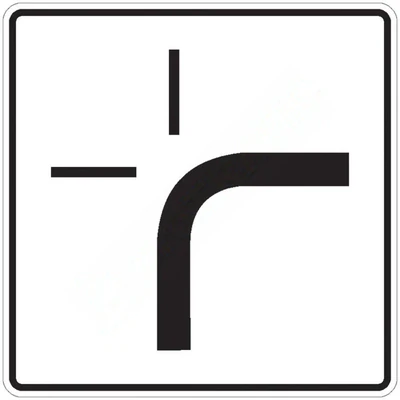
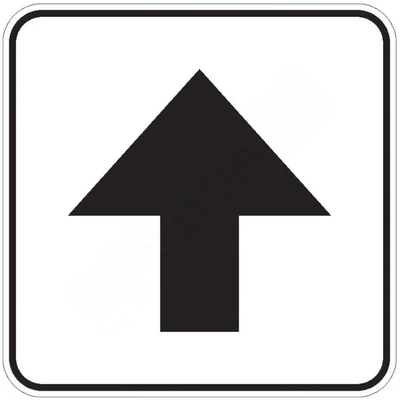
Directional panels
Indicates direction or area:
Conditional panels
Applicable in certain situations:
- weather
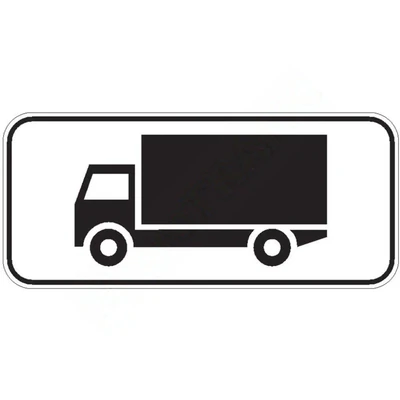
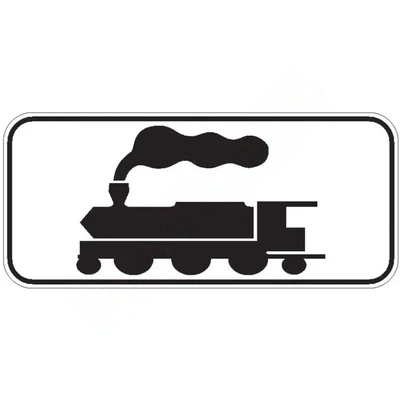
- certain categories of vehicles
Differences between options
Differences occur depending on use:
- type of information – text vs symbol
- size – depending on speed and distance
- Reflective material – level of visibility
- message complexity
A panel for the city can be smaller and simpler than one for fast roads.
How to choose correctly
Essential criteria
- Type of main indicator
- level of traffic
- average speed
- necessary visibility
- message complexity
Mistakes to avoid
- too much text
- Unclear symbols
- incorrect location
- lack of correlation with the main indicator
Quick Checklist
- Is it easy to understand instantly?
- Is the indicator correctly completed?
- Is it legible from a distance?
- Is it mounted right?
Install & start up
The assembly shall be made so that the panel is perceived immediately.
Step:
- mounting under the main indicator
- correct alignment
- verification of height and angle
- visual traffic testing
A wrong mounted panel can create confusion even if it is properly designed.
Maintenance & Maintenance
For long-term efficiency:
- regular cleaning
- check the reflective foil
- replacement in case of deterioration
- verification of assembly stability
Common errors
- excessive use of panels
- contradictory information
- lack of standardisation
- location in hard areas visible
Solution: simplification and coherence.
Professional recommendations
From field experience, the most effective panels are those that transmit a clear message in less than a second.
Actual situations:
- in crowded parking lots, panels with hourly intervals reduce conflicts
- In industrial areas, well-defined exceptions optimise the flow of
- in cities, coherence between indicators and panels makes the difference
Basic rule: if you need to read too much, it's not effective.
In practice, the additional panels clarify the traffic rules and complete the road signs, contributing directly to safety and a correct interpretation in traffic.
Why choose Protrafic road signage
Effective signaling means not only products but also expertise.
Competitive advantage
- products complying with standards
- High quality reflector material
- actual technical advice
- rapid delivery
- solutions adapted to the project
What differentiates us
- practical field experience
- Customized recommendations
- full support
For a complete solution:
FAQ – Frequently Asked Questions
What is the role of additional panels?
Complete the road signs and provide details on the application of the rules.
Are they mandatory?
Yes, when clarification of an indicator is necessary.
Can they be used without the main indicator?
No, it only works with an indicator.
What information can I contain?
Time intervals, exceptions, distances, special conditions.
Are they all reflective?
Yes, for visibility under any conditions.
How do I choose the right size?
Depending on the speed of movement and distance of visibility.
Can they be customized?
Yes, but the law must be respected.
Where does he go?
Under the main indicator, perfectly aligned.
What if they're wrongly mounted?
I can create confusion and lead to misinterpretation.
How long does it last?
Depending on the material, between 5 and 10 years or more.
Conclusion
Additional panels are essential for clear and unambiguous road signs.
If you want well understood rules and organised traffic, the right choice starts with the right details.
- View full range of panels available
- Choose the right configuration for your project
- Discover clear solutions for road signalling
- Ask for advice on the right choice
- Optimize professional signaling