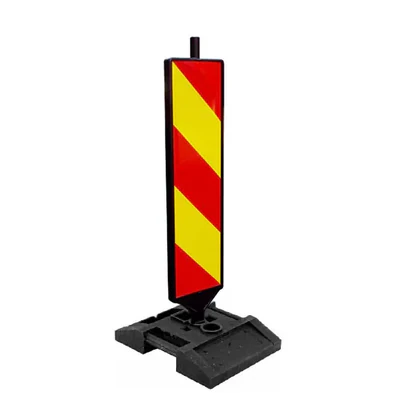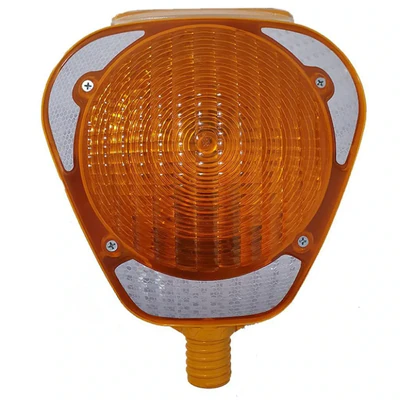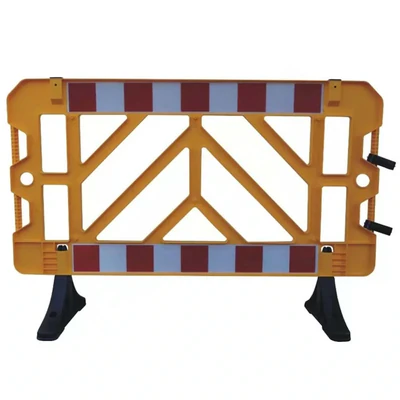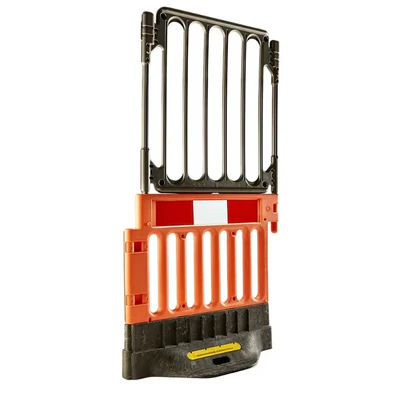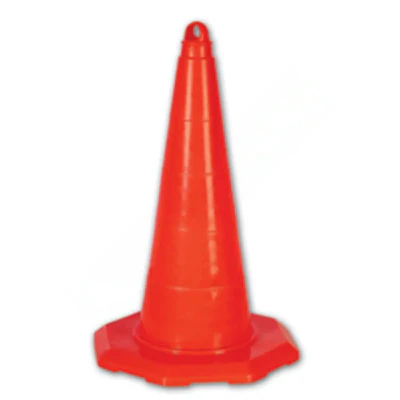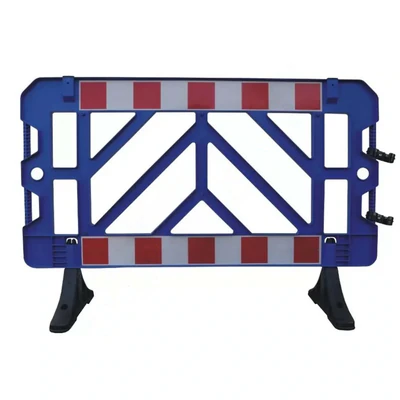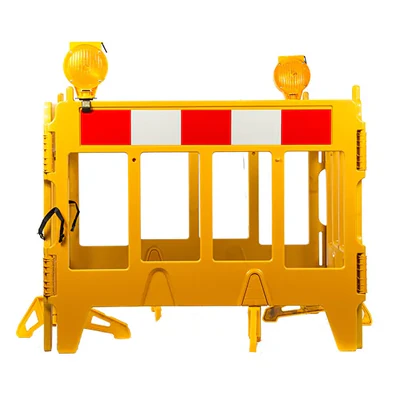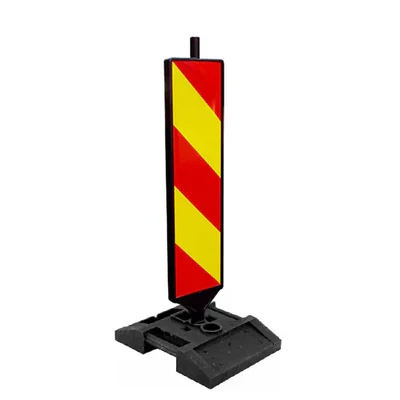
Signaling beacon, base 18 kg, sheet class 1
160,00 lei
In stock
in8 variant
Request a quote – Signaling beacon, base 18 kg, sheet class 1 See options – Signaling beacon, base 18 kg, sheet class 1We use strictly necessary cookies to run the site and, only with your consent, to remember viewed products, for visit statistics and for YouTube video playback. You can change your mind at any time from “Cookie settings” at the bottom of the page. Cookie policy
Technical advice: 0725 404 404 · Fast delivery nationwide · Blog
Signage of works includes equipment and solutions that ensure the safety of traffic and workers in the areas of intervention.
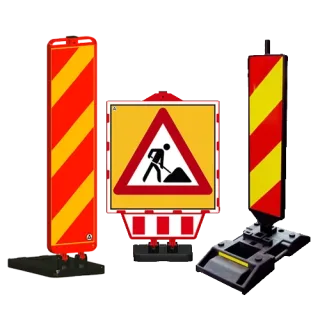 Directional beacons
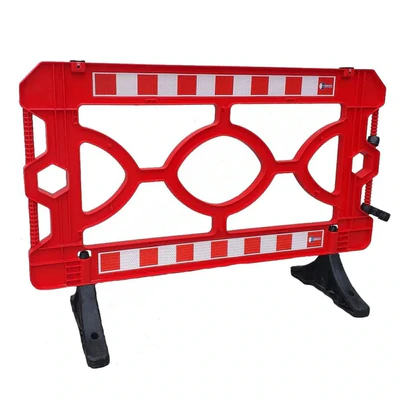
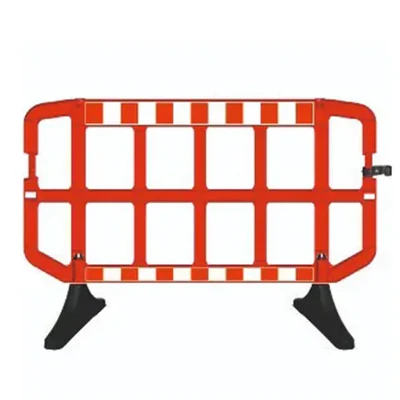
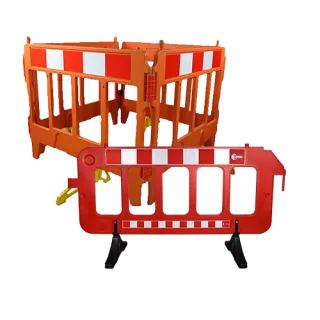 Barriers and fences
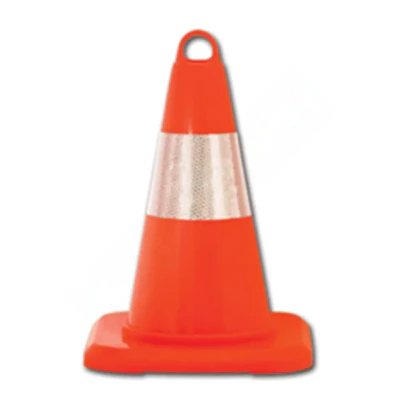
 Traffic cones
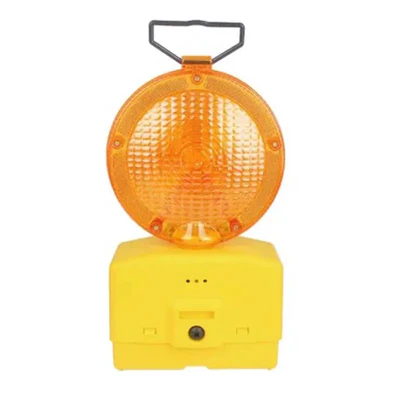
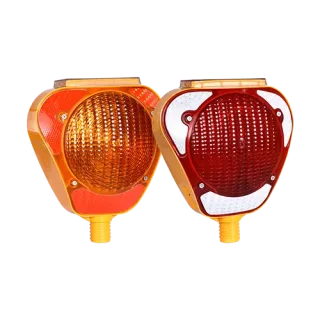 Flashing lights
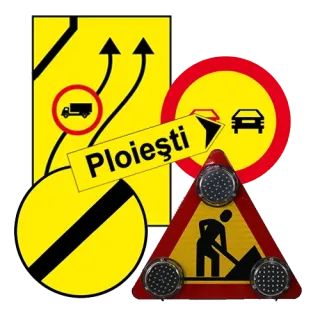 Roadworks signs
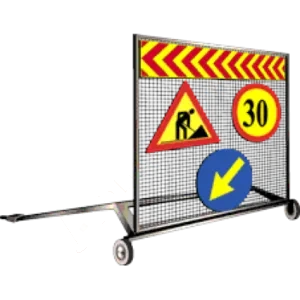 Sign trolleys
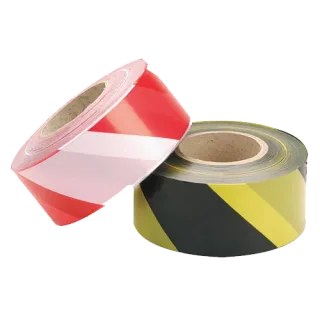 Barrier tapes and films
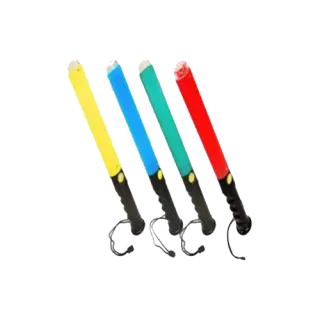 Traffic batons
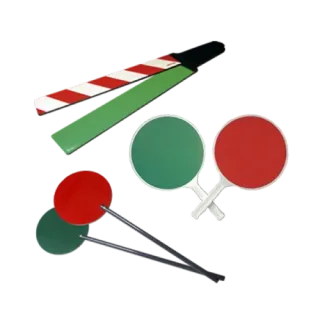 Stop/go paddles
 Chains
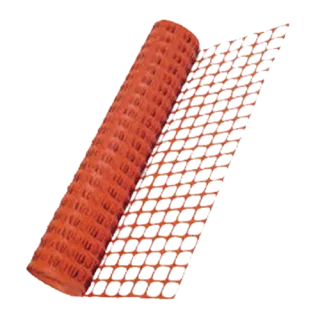 Construction site mesh
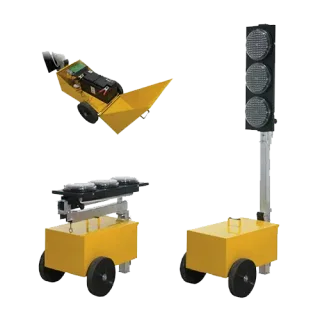 Roadworks traffic lights
160,00 lei
In stock
in8 variant
Request a quote – Signaling beacon, base 18 kg, sheet class 1 See options – Signaling beacon, base 18 kg, sheet class 1195,00 lei
In stock
in8 variant
Request a quote – Signaling beacon, Base 18 kg, Class 2 foil See options – Signaling beacon, Base 18 kg, Class 2 foil415,00 lei
In stock at supplier
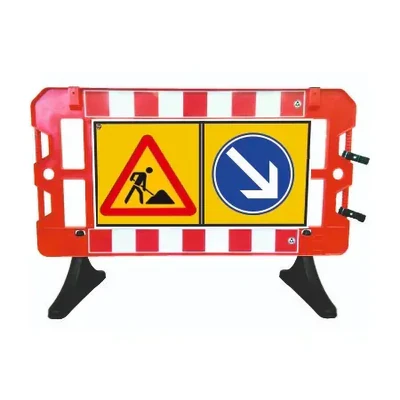
sup Request a quote – Barrier works with indicators, road in work and right bypass, Red, 1.5x1m, weight 12.5 kg See options – Barrier works with indicators, road in work and right bypass, Red, 1.5x1m, weight 12.5 kg415,00 lei
In stock at supplier
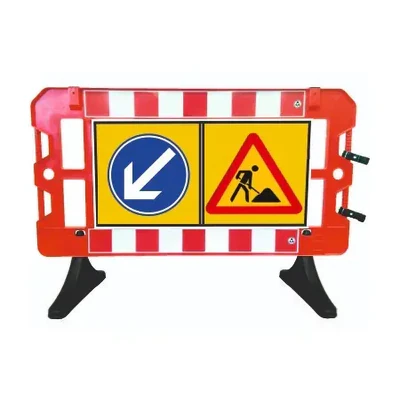
sup Request a quote – Barrier works with indicators, road in work and left bypass, Red, 1.5x1m, weight 12.5 kg See options – Barrier works with indicators, road in work and left bypass, Red, 1.5x1m, weight 12.5 kg299,00 lei
In stock
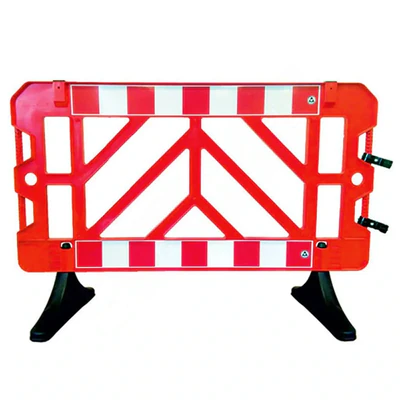
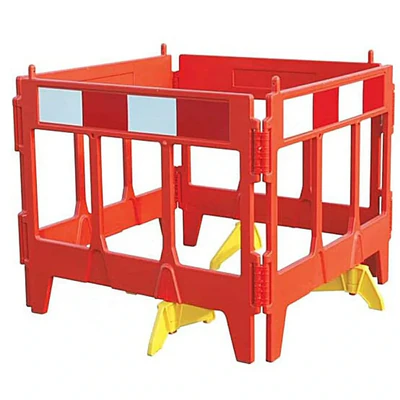
in Request a quote – Modular barrier for marking works 1500x1000 mm, red See options – Modular barrier for marking works 1500x1000 mm, red46,00 lei
In stock
in Request a quote – Traffic cone 320 mm See options – Traffic cone 320 mm239,00 lei
outOut of stock
4 variant
Request a quote – Mobile fence works 1500x1000 mm, red See options – Mobile fence works 1500x1000 mm, red239,00 lei
In stock
in Request a quote – Modular fences for 1500x1000 works, red, reflective foil, weight 10.5kg See options – Modular fences for 1500x1000 works, red, reflective foil, weight 10.5kg67,00 lei
In stock
in Request a quote – Road light lamp with yellow light See options – Road light lamp with yellow light100,00 lei
In stock at supplier
sup Request a quote – Solar lamp for yellow works See options – Solar lamp for yellow works18,00 lei
In stock
in6 variant
Request a quote – Red White Trays 1 m See options – Red White Trays 1 m32,00 lei
In stock
in6 variant
Request a quote – Red white plastic chain 3 m See options – Red white plastic chain 3 m170,00 lei
In stock
in8 variant
Request a quote – Marks works 28 kg folie class 1 See options – Marks works 28 kg folie class 1439,00 lei
In stock
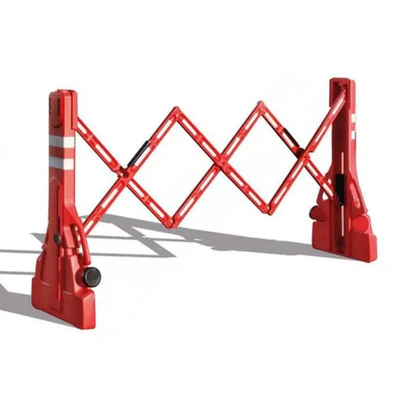
in Request a quote – Extension barrier 2000 mm, red, 6.80 kg See options – Extension barrier 2000 mm, red, 6.80 kg255,00 lei
In stock
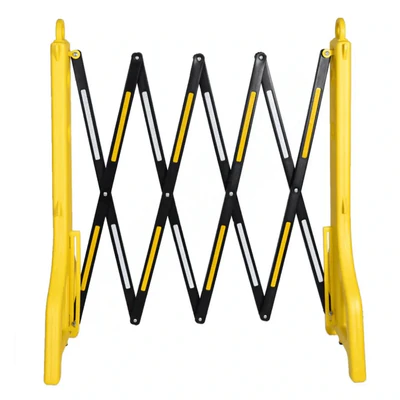
in Request a quote – Extension barrier 2300 mm, yellow See options – Extension barrier 2300 mm, yellow360,00 lei
outOut of stock
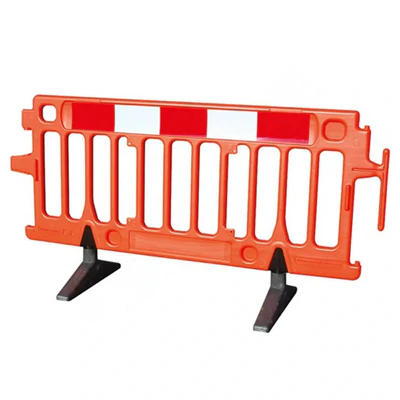
Request a quote – Workbar 2000x1000 mm, orange See options – Workbar 2000x1000 mm, orange800,00 lei
In stock
in Request a quote – Barrier works type tarc See options – Barrier works type tarc315,00 lei
In stock
in4 variant
Request a quote – Furniture barrier works 1500x1000 mm, yellow See options – Furniture barrier works 1500x1000 mm, yellow715,00 lei
In stock at supplier
sup Request a quote – Modular barrier DoubleTop 1000x2000 mm, orange See options – Modular barrier DoubleTop 1000x2000 mm, orange38,00 lei
In stock
in Request a quote – With traffic 520 mm See options – With traffic 520 mm315,00 lei
In stock
in4 variant
Request a quote – Fences works 1500x1000 mm, blue See options – Fences works 1500x1000 mm, blue800,00 lei
In stock
in Request a quote – Modular fence type tent, 4 x 1.25 m, height 1 m, yellow color See options – Modular fence type tent, 4 x 1.25 m, height 1 m, yellow color315,00 lei
In stock
in4 variant
Request a quote – Fence protection works 1500x1000 mm, white See options – Fence protection works 1500x1000 mm, white140,00 lei
In stock
in6 variant
Request a quote – Red white plastic strap 25 m See options – Red white plastic strap 25 mWe didn't find any products for the chosen filters.
Roadworks signage is essential in any road or shipyard operation where the safety and organisation of traffic is not negotiable. This category includes all equipment necessary for the delimitation of working areas, warning of participants in traffic and protecting field teams. Whether we are talking about work on public roads, construction sites or temporary interventions, the right solutions reduce risks and prevent accidents. Choosing the right equipment makes the difference between a safe yard and one exposed to danger.
Signing of works is the whole of equipment, systems and materials used to mark and secure areas where road or construction work is taking place.
They shall have the role of:
It is not just about a few random indicators, but about a coherent system that functions as a ‘visual language for traffic.
Signalling works is present in almost any type of intervention:
The operation is simple in theory, but essential in practice: each element conveys a clear message.
All these components work together to create a coherent and easy-to-understand system.
In practice, an effective signal starts with distance warning and continues with progressive guidance to the work area.
Without a correct signal, the risks immediately increase:
Instead, a correct organization brings:
The signalling of works is essentially a preventive investment.
The use of professional solutions brings concrete benefits:
The choice is not random. Each solution has its own role:
The real difference appears in the way they are combined.
The assembly must follow a clear logic:
Order matters more than the number of equipment.
For long-term efficiency:
Dirty or defective equipment becomes useless.
In practice, the most efficient construction sites comply with a few simple rules:
A real example: on roads with intense traffic, the simple use of the cones is not enough. Indicators + beacons + lighting are needed for safe results.
The signalling of well-implemented works reduces risks, optimizes traffic and protects teams in the field, being essential for any road or site intervention organised.
It represents all the equipment used to mark and secure the areas where works are carried out.
Yes, it is mandatory for safety and for compliance with the legislation.
Indicators, cones, beacons, fences and lamps.
Depending on the type of work, traffic, visibility and duration.
Not necessarily, but are essential at night or reduced visibility.
The tags are more stable and visible, the cones are more flexible and fast.
Yeah, if they're maintained right.
Ideal daily, especially in difficult weather conditions.
Increase the risk of accidents and legal sanctions may arise.
Yes, it is even recommended for maximum efficiency.
Proper reporting of work is not just an obligation, but an essential measure of safety and efficiency.
If you want to choose the right solution, explore the available range and adapt the equipment to the real needs of the field.
Get our offers and news once a month. You can unsubscribe at any time.