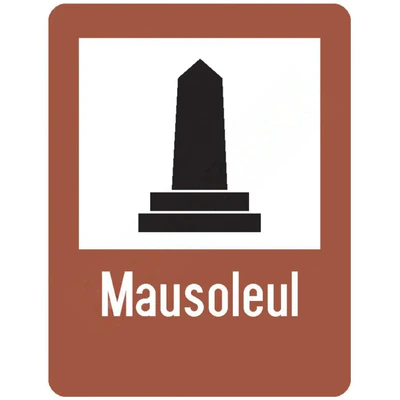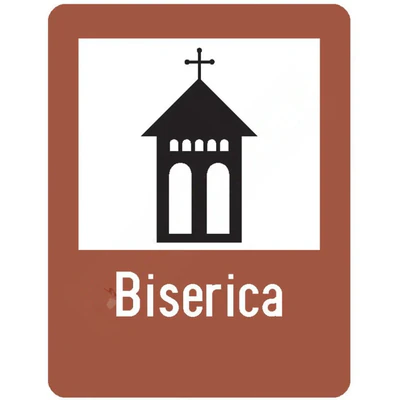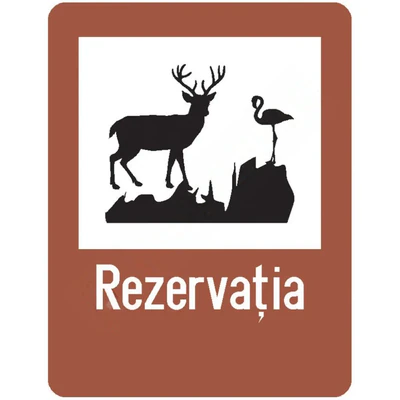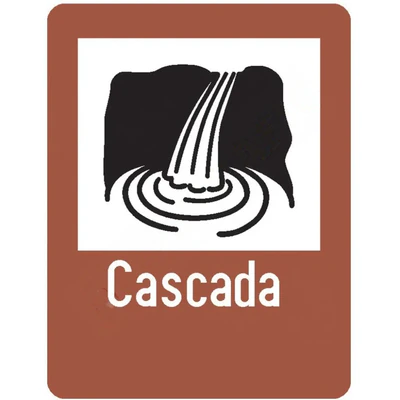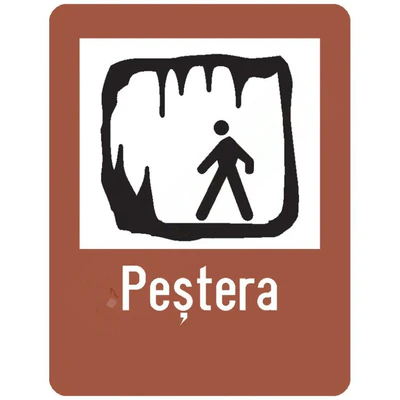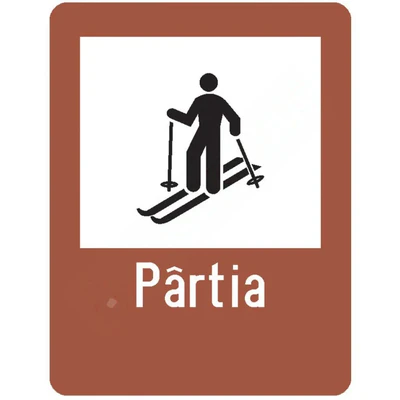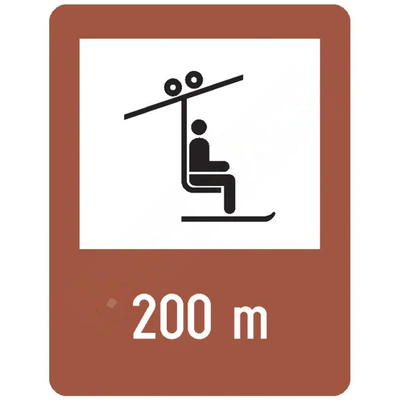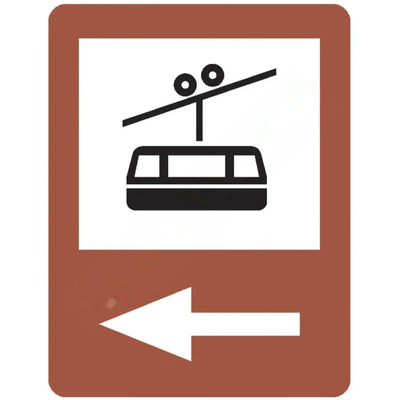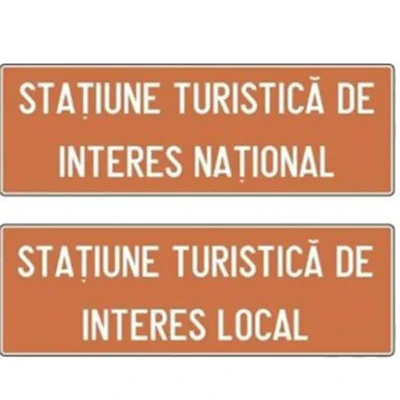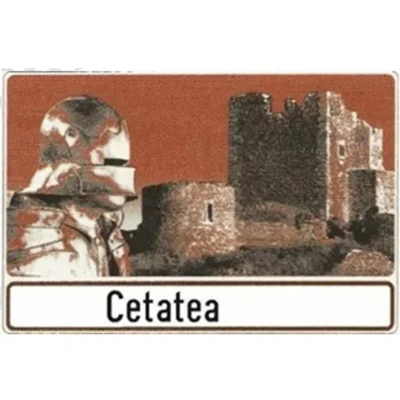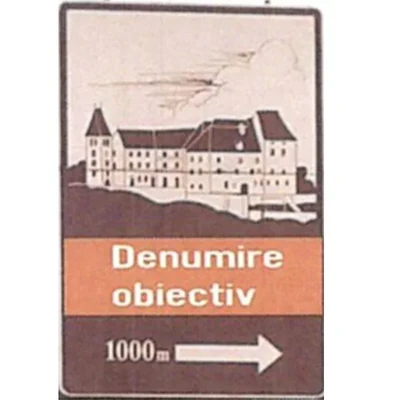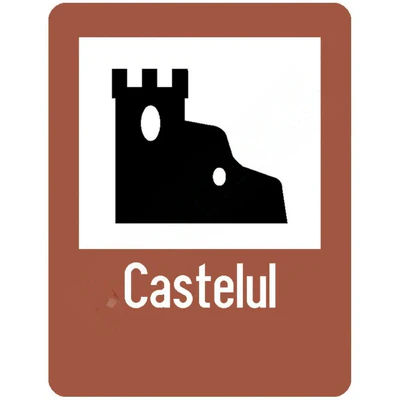
Road sign tourist information T1 Castel - Cetate
175,00 lei
In stock at supplier
sup Request a quote – Road sign tourist information T1 Castel - Cetate See options – Road sign tourist information T1 Castel - CetateWe use strictly necessary cookies to run the site and, only with your consent, to remember viewed products, for visit statistics and for YouTube video playback. You can change your mind at any time from “Cookie settings” at the bottom of the page. Cookie policy
Technical advice: 0725 404 404 · Fast delivery nationwide · Blog
The tourist signs are special road signs that guide drivers towards tourist objectives, facilities and points of interest.
175,00 lei
In stock at supplier
sup Request a quote – Road sign tourist information T1 Castel - Cetate See options – Road sign tourist information T1 Castel - Cetate175,00 lei
In stock at supplier
sup Request a quote – Road sign tourist information T2 Vestigii History See options – Road sign tourist information T2 Vestigii History175,00 lei
In stock at supplier
sup Request a quote – Road sign tourist information T3 Monument See options – Road sign tourist information T3 Monument175,00 lei
In stock at supplier
sup Request a quote – Road sign tourist information T4 Church See options – Road sign tourist information T4 Church175,00 lei
In stock at supplier
sup Request a quote – Road sign tourist information T5 Monastery See options – Road sign tourist information T5 Monastery175,00 lei
In stock at supplier
sup Request a quote – Road sign tourist information T6 Nature Reserve See options – Road sign tourist information T6 Nature Reserve175,00 lei
In stock at supplier
sup Request a quote – Road sign tourist information T7 Cascada See options – Road sign tourist information T7 Cascada175,00 lei
In stock at supplier
sup Request a quote – Road sign tourist information T8 Pestera See options – Road sign tourist information T8 Pestera175,00 lei
In stock at supplier
sup Request a quote – Road sign tourist information T9 Ski part See options – Road sign tourist information T9 Ski part175,00 lei
In stock at supplier
sup Request a quote – Road sign tourist information T10 Teleschi See options – Road sign tourist information T10 Teleschi175,00 lei
In stock at supplier
sup Request a quote – Road sign tourist information T11 Telecabine See options – Road sign tourist information T11 Telecabine175,00 lei
In stock at supplier
sup Request a quote – Road sign tourist information T12 Pension Agrotourism See options – Road sign tourist information T12 Pension Agrotourism175,00 lei
In stock at supplier
sup Request a quote – Road sign tourist information T13 Farm holiday See options – Road sign tourist information T13 Farm holiday175,00 lei
In stock
in Request a quote – Road sign tourist information T12 Monument History See options – Road sign tourist information T12 Monument History175,00 lei
In stock
in Request a quote – Road sign tourist information T14 Trail Cycle-Touristic See options – Road sign tourist information T14 Trail Cycle-TouristicPrice on request
In stock at supplier
sup Request a quote – Road sign tourist information T15 Tourist Station See options – Road sign tourist information T15 Tourist StationPrice on request
In stock at supplier
sup Request a quote – Road sign tourist information T16 Objective of special importance See options – Road sign tourist information T16 Objective of special importanceWe didn't find any products for the chosen filters.
Tourist signs are essential for the quick and correct orientation towards objectives of interest, whether we are talking about tourist attractions, natural areas or useful facilities. These dedicated road signs help traffic participants identify the right routes without stress or confusion. They are used by authorities, road managers or tourism infrastructure developers and contribute directly to a clearer, safer and more organised travel experience. The correct choice of these solutions influences both the traffic flow and the overall perception of the area.
Tourist indicators are part of the road information reporting category and are designed to guide participants in traffic to tourist objectives, services or areas of interest.
These are easy to recognise by:
Their role is simple: provides directions and information without distracting attention or creating confusion.
These signs are essential where visitors do not know the area and need quick guidance.
The operation of tourist indicators is based on a few simple but extremely efficient principles:
They are made of reflecting materials so that they are easily observed:
These elements ensure a fast reading and correct decision in traffic.
The indicators for tourist orientation are not only useful but absolutely necessary in areas with mixed traffic (local + tourist).
Their real impact:
Without a correct signal, even the most attractive locations can become hard to find.
The correct use of these signs brings clear benefits:
Shows the direction towards the objective:
Confirms the chosen route:
Notify a direction from time to time:
Use specific symbols:
The right choice depends on several factors:
For example, on fast roads a higher and more visible indicator is needed than in an urban area.
The correct setting is as important as choosing the indicator.
General step:
In the field, a wrong installation may make the indicator useless, even if it is of quality.
In order to remain effective, these signs require regular checks:
Life expectancy depends directly on the quality of materials and exposure to the environment.
Solution: correct planning and testing from the driver's perspective.
In practice, the most effective solutions are those that respect the principle: simple, visible, coherent.
Real situation in the field:
A good indicator should not be noticed – but understood instantly.
In practice, tourist indicators provide clear guidance to objectives and services, improving safety and travel experience for all traffic participants.
The experience in road signalling is directly reflected in the quality of the products and advice provided.
For a complete solution, you can explore and:
They usually have brown background, to be easy to differentiate from other road signs.
Yes, in many cases they are required to ensure correct guidance and traffic safety.
Reflective sheet metal is the standard due to durability and visibility.
Depending on the speed of movement and the distance of visibility required.
Yes, according to the objectives and requirements, but the rules must be respected.
On average 5–10 years, depending on the material and conditions.
Before intersections and at strategic points where decisions are made.
Yes, to be visible and at night.
Yes, but the size and position must be adjusted.
They can mislead and create dangerous traffic situations.
Tourist indicators are an essential component of a well organised and user-oriented infrastructure.
If you want to implement a clear and effective signaling, it is worth choosing the right solutions from the start.
Get our offers and news once a month. You can unsubscribe at any time.