Technical advice: 0725 404 404 · Fast delivery nationwide · Blog

Protrafic.ro
Offers
0725 404 404 Contact

For companies and public institutions: purchasing via SEAP / SICAP details

Product categories
OffersSee discounts ›

Road markings

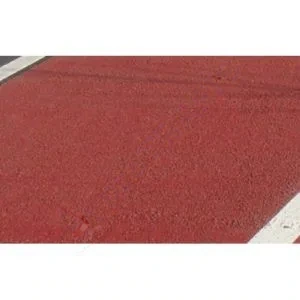
Horizontal signalling includes road markings applied on the roadway to guide traffic and increase safety.

Horizontal Signalling is the set of markings applied directly to the roadway, which are essential for the organisation and safety of traffic. Whether we are talking about separation lines, pedestrian crossings or directional symbols, these solutions are indispensable for public roads, parking lots, construction sites or industrial spaces. Their role is simple, but vital: it provides clear visual guidance, reduces the risk of accidents and helps to maintain a coherent traffic flow, regardless of the visibility conditions or the intensity of the traffic.


What are horizontal signals?

Horizontal signals are visible markings applied on the road surface, made with special materials that resist intense traffic and varied weather conditions.

These include:

  • Continuous or discontinuous lines
  • directional arrows
  • pedestrian crossings
  • symbols (bicycles, disability, stop)
  • hashed or prohibited areas

Unlike the vertical indicators, the markings are perceived instantly by drivers, without requiring a change of direction of view.


Where they are used

Public roads and motorways

  • band delimitation
  • Crossing guide
  • Marking of stopping zones

Parking and commercial spaces

  • organisation of parking spaces
  • delineation of the meanings of circulation
  • marking of special areas

Road construction and construction

  • temporary signalling
  • Driving traffic in hazardous areas

Industrial and logistical spaces

  • Machine paths
  • safe areas
  • storage markings

How it works

The markings are made with special adhesive material, applied on asphalt or concrete. Their visibility shall be ensured by:

  • contrasting colour (white, yellow, red)
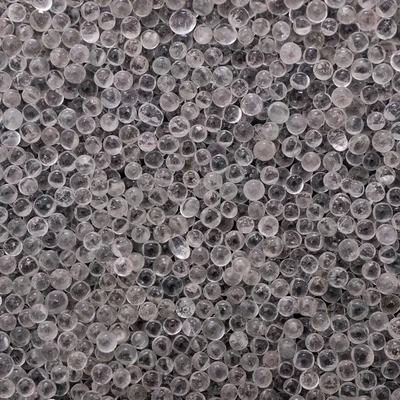
  • reflective microbes integrated into material
  • anti-skid properties

In essence, they function as a continuous visual guide, easy to interpret even at high speeds or under difficult conditions (ploaie, fog, night).

In practice, a clear formulation such as this can sum up the category:
Horizontal signalling includes durable road markings, made with paint or thermoplastic materials, which provide increased visibility and traffic safety.


Why They Are Important

Without effective markings, traffic becomes unpredictable and dangerous.

Actual impact:

  • accident reduction
  • increase in traffic flow
  • Quick orientation for drivers and pedestrians
  • compliance with road rules

In crowded urban areas, the correct markings can make the difference between organised traffic and chaos.


Advantage

  • High visibility, including at night
  • Durability under intense traffic conditions
  • Rapid application
  • Adaptability on any surface type
  • Increased safety for all participants in traffic

Types / variants

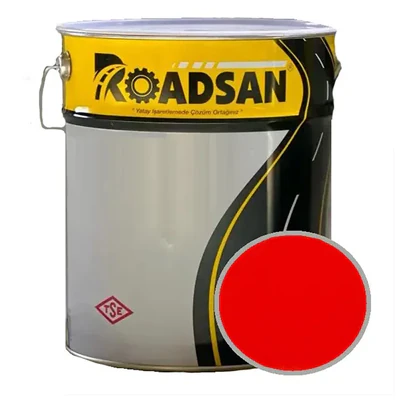
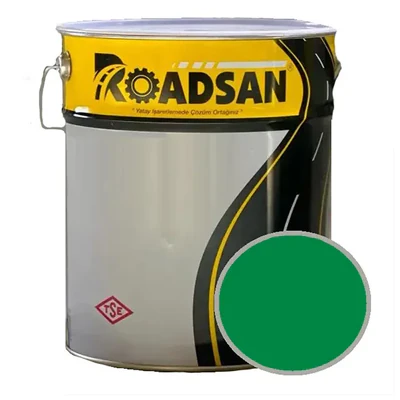
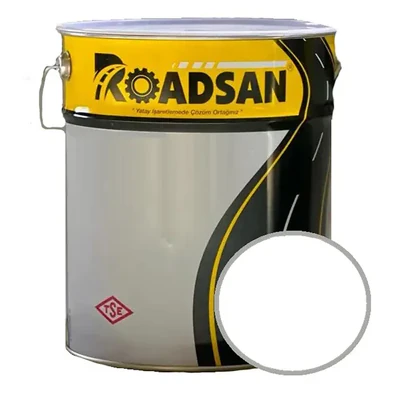
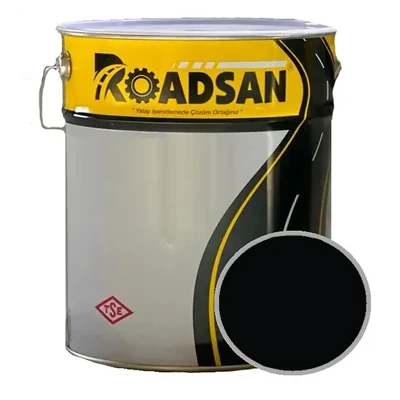
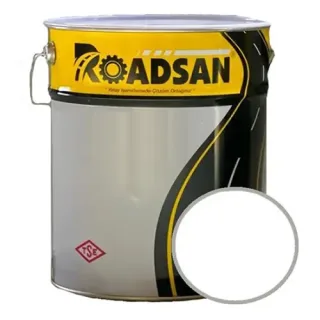
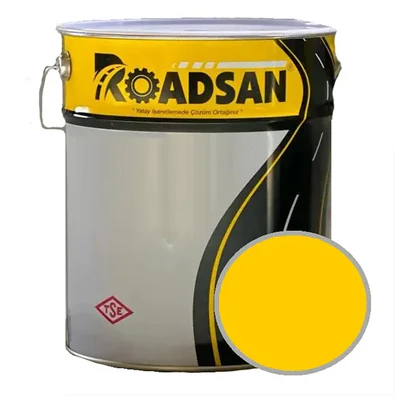
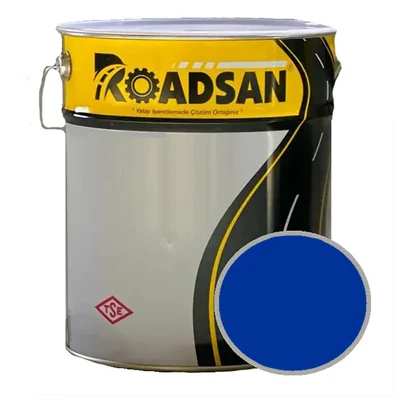
Road paint

Monocomponent paint

  • Easy to apply
  • reduced cost
  • ideal for temporary work

Two-component paint

  • upper strength
  • longer life
  • suitable for intensive traffic

Thermoplastic marking

  • application at high temperature
  • very high durability
  • wear resistance and weather

Preformatted signs

  • symbols already made
  • Quick mounting
  • High accuracy

Reflectorizing microbile

  • increase night visibility
  • reflect light of the headlamps
  • essential for safety

How to choose correctly (GHID PRACTIC)

Essential criteria

  • type of traffic (intens vs. occasional)
  • desired duration
  • weather conditions
  • Type of surface
  • available budget

Mistakes to avoid

  • choice of material only after price
  • disregarding the conditions of application
  • Lack of reflection
  • application on unprepared surfaces

Quick Checklist

 intense traffic → choose thermoplastic
 temporary works → simple paint
 Night visibility → add microbes
 long duration → two-component solutions


Install & start up

The correct process involves:

  1. Cleaning of the surface
  2. Marking of area
  3. Application of the material
  4. Integration of microbes
  5. Drying or cooling

The correct application directly influences sustainability.


Maintenance & Maintenance

  • periodic verification of visibility
  • Reapplication in used areas
  • cleaning of dirt or residues
  • rapid intervention in critical areas

Common errors

  • too thin markings → fast wear
  • Lack of surface preparation
  • application under inappropriate weather conditions
  • Use of inappropriate materials

Solution: correct choice + professional application.


Professional recommendations (based on experience)

In practice, the best results occur when:

  • combine Sustainable materials with reflective visibility
  • choose solutions adapted to each area, not universal
  • safety priority, not just cost

On construction sites or in intensive parking lots used, the difference between a correct marking and a weak marking is seen in just a few months.


Why choose our solutions

  • experience in real road signage
  • products tested under difficult conditions
  • Specialized technical support
  • rapid stock delivery
  • solutions adapted to your project

Competitive advantage

  • full range
  • Personalized advice
  • constant quality
  • professional solutions

Choose the right solution for your project and ensure safe and organised traffic.


FAQ

What is horizontal signaling?

It is the marking system applied on the roadway to guide traffic.

How long are the road markings?

Depends on the material – from a few months to a few years.

What kind of paint is better?

For durability, two-component paint or thermoplastic.

Are reflective microbes necessary?

Yeah, for visibility at night.

Can markings be applied to any surface?

Only on clean and properly prepared surfaces.

What is the most resistant solution?

Thermoplastic markings.

Can they be used for private parking?

Yes, they are ideal for organization and safety.

How long does the application take?

From a few hours to a day, depending on the project.

What mistakes should be avoided?

Application on dirty surfaces or choice of the wrong material.

How do they maintain the markings?

By periodic verification and re-application as required.


Conclusion

The correct signaling performed means safety, order and efficiency in traffic.
If you want sustainable results and optimal visibility, explore the right solutions to your project.

  • See available products
  • Discover the full range
  • Choose the right solution
  • Request for technical advice

Subscribe to our newsletter and never miss a promotion

Get our offers and news once a month. You can unsubscribe at any time.
Cookie settings

Choose which categories you accept. Strictly necessary cookies are always active; the others start only with your consent and you can change them at any time. Cookie policy

They make the site work: shopping cart, favourites, customer account sign-in, form security and remembering your cookie choice. They cannot be disabled.

What we store (5)
  • erp-consent · This site · Stores your cookie choice. Duration: 365 days.
  • erpShop.cart · This site · Products in your shopping cart. Duration: until the cart is emptied.
  • erpShop.fav · This site · Products you saved to favourites. Duration: until you delete them.
  • __Host-*_sess · This site · Keeps you signed in to your customer account. Duration: session (12 hours) or 30 days with “Remember me”.
  • __Host-*_csrf · This site · Security: protects account forms against forged requests. Duration: session.

Remembers recently viewed products so you can find them easily. The data stays only in your browser.

What we store (1)
  • erpShop.seen · This site · Recently viewed products. Duration: until you delete them.

Shows us which pages are visited and how the site is used, so we can improve it (Google Analytics).

What we store (2)
  • _ga · Google Ireland Ltd. (Google Analytics) (third party) · Distinguishes visitors for visit statistics. Duration: 2 years.
  • _ga_4009D1RE45 · Google Ireland Ltd. (Google Analytics) (third party) · Keeps the state of the visit session. Duration: 2 years.

Video clips played directly on YouTube (Google). When playing, YouTube can store data in the browser.

What we store (1)
  • YSC, VISITOR_INFO1_LIVE, yt-remote-* · Google Ireland Ltd. (YouTube) (third party) · Video playback and YouTube statistics; only after you start a video. Duration: session – 6 months.
Third-party providers (2)