Reflective microbile – the invisible standard that makes a difference in road safety
Reflectorizing microbile I'm not just an accessory for road markings. They are, in reality, one of the most important elements that transforms a simple line of paint into a clear, visible and safe visual guide for drivers.
Imagine a path at night. No public lighting. No reflective markings. Everything becomes uncertain. Right here are the microbes in the glass – those fine particles, apparently insignificant, that reflect the light of the headlamps and restore the clarity of the road.
These glass microbes for road marking are designed to improve visibility and increase road safety under any conditions.
What Reflectorizing Microbes Are and How It Works
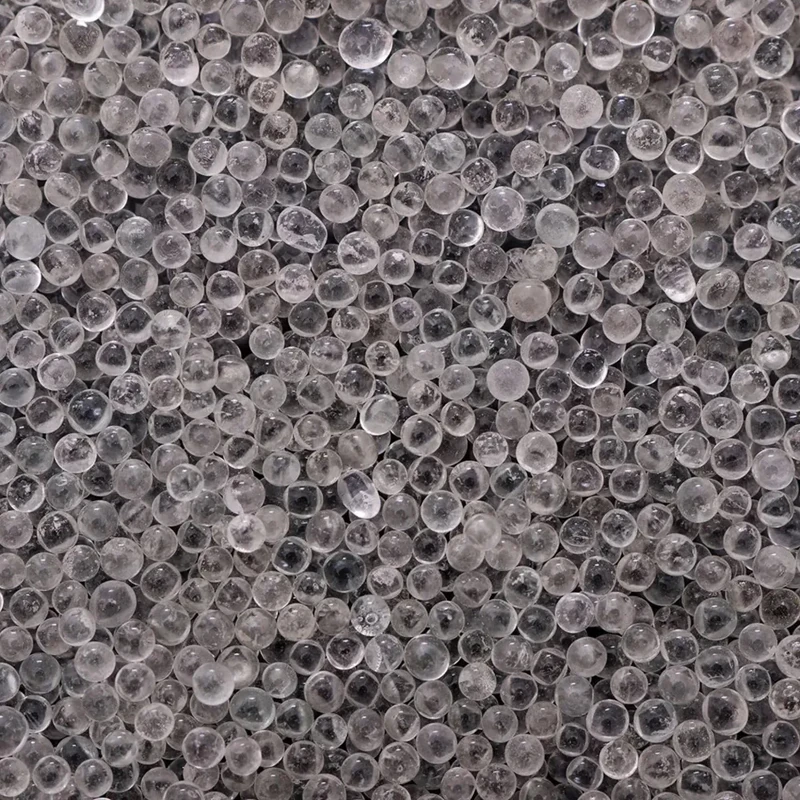
Reflector microbile are spherical particles in glass, with a transparency and a structure specially designed to reflect the light back to the source.
Operating principle
Atunci când sunt aplicate peste vopseaua rutieră:
- Machine headlights hit microbes
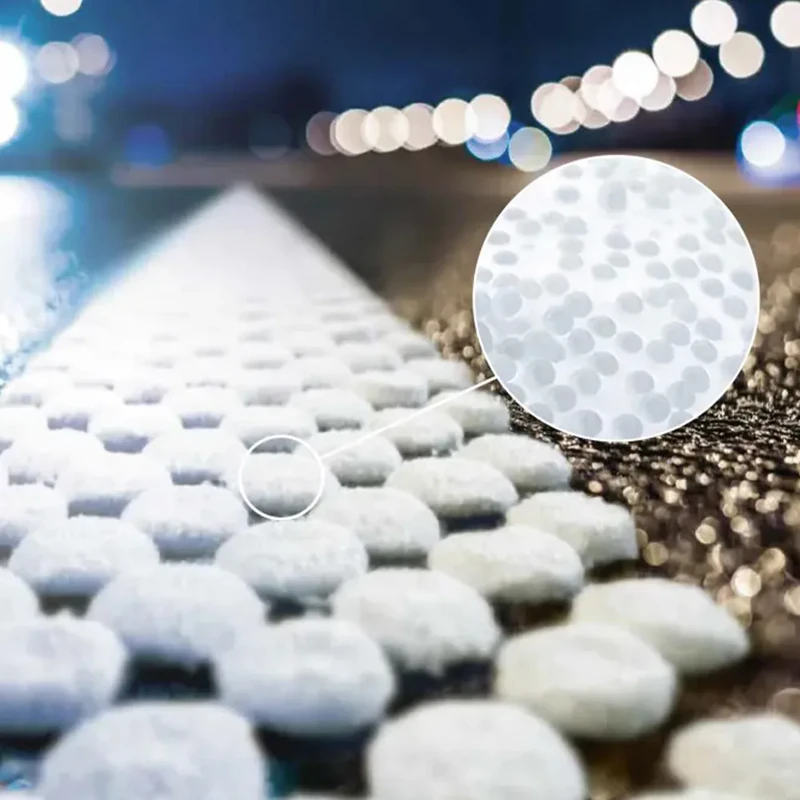
- The light is refracted and reflected
- Driver perceives the marking much clearer
This phenomenon is called retroreflection and is essential for:
- night driving
- fog conditions
- rain or wet roadway
Why they are indispensable in modern road markings
Without reflective microbes, road markings become almost useless under low light conditions.
Where they are used:
- National roads and motorways
- Commercial and industrial parks
- Logistic areas and industrial platforms
- Bicycle track
Result:
Constant visibility. Security's increased. Faster reactions of drivers.
Essential technical characteristics
- Material: high purity glass
- Shape: spherical for optimal reflection
- Controlled granulation
- Packing: bag 25 kg
- Average consumption: 350 – 500 g/m²
- Compatibility: all types of road paint
Advantages of using mirroring glass microbes
Higher visibility
The markings are clearly visible even under the most difficult conditions.
Increasing road safety
Reduce the risk of accidents by effective visual guidance.
Increased durability
Resists heavy traffic and extreme weather conditions.
Economic efficiency
Optimum consumption and high performance per square metre.
Universal compatibility
It works perfectly with acrylic, thermoplastic or bicomponent paints.
How to correctly apply reflective microbes
The correct application is the key to performance.
Methods of application:
- Mechanized filling simultaneously with paint
- Manual application for small works
Recommendations:
- Application immediately after painting
- Uniform distribution
- Compliance with recommended consumption
Difference between markings with and without microbes
Without microbes:
- Low visibility
- Danger increased
- Inefficient marking at night
With microbes:
- Strong reflection
- Excellent visibility
- Maximum safety
For whom is this product
- Road infrastructure companies
- Road builders
- Local authorities and the Primers
- Maintenance equipment
- Real estate developers
Commercial benefits (result-oriented)
- Increase road safety immediately
- You reduce accidents at night
- Get professional markings
- Optimize long-term costs
- Increase the sustainability of work
- Improve visibility under any conditions
- Comply with quality standards
FAQ – Frequently Asked Questions
1. What are reflective microbes?
There are particles in the glass that reflect light and make the markings visible at night.
2. What is the recommended consumption?
Between 350 and 500 g/m2, depending on the type of application.
3. Can they be used with any road paint?
Yeah, they're compatible with most types of marking paints.
4. How does it apply?
By pressing over the fresh, manual or mechanized paint.
5. Is he holding out on time?
Yeah, they're wear-resistant, traffic-resistant and weather-proof.
6. Are they mandatory for markings?
In many projects, yes – especially for public roads.
You can also see:
Reflective glass micro-boles are essential for visible and safe road markings. Applied over paint, they reflect the light of the headlights and provide clear guidance at night, contributing directly to reducing the risk of accidents and increasing the durability of markings.