Flexible con for traffic: dimensions, bands and location
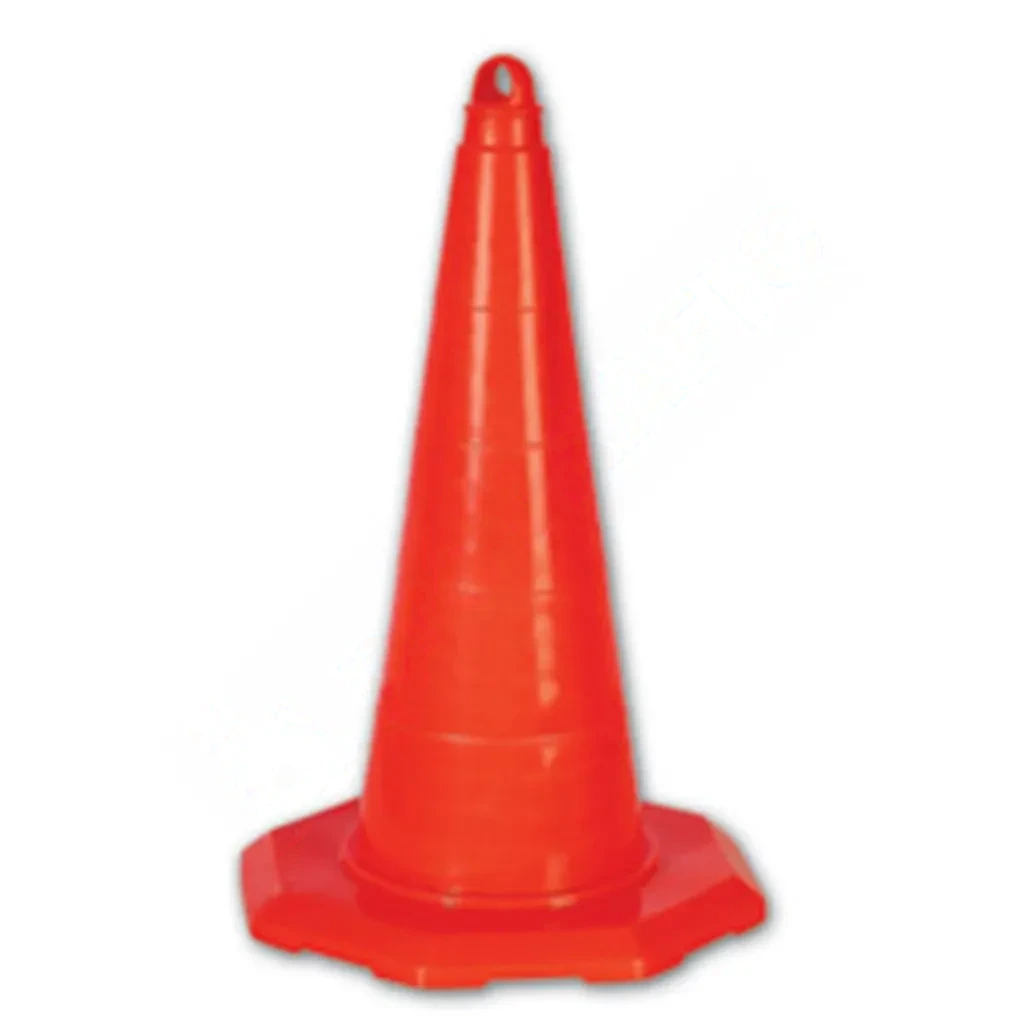
A flexible con for traffic bends to impact and returns to shape, so it resists more on the yard and in parking lots. It counts the height, number of reflective strips and weight of the base. Below you find out how you choose them, how you sit them right on the ground and how you keep them.
In short: height increases with speed, reflective bands matter at night, and weight base holds stable cone on asphalt.
Do you need help choosing?
Tell us what you need and we'll send you the offer on the same working day.
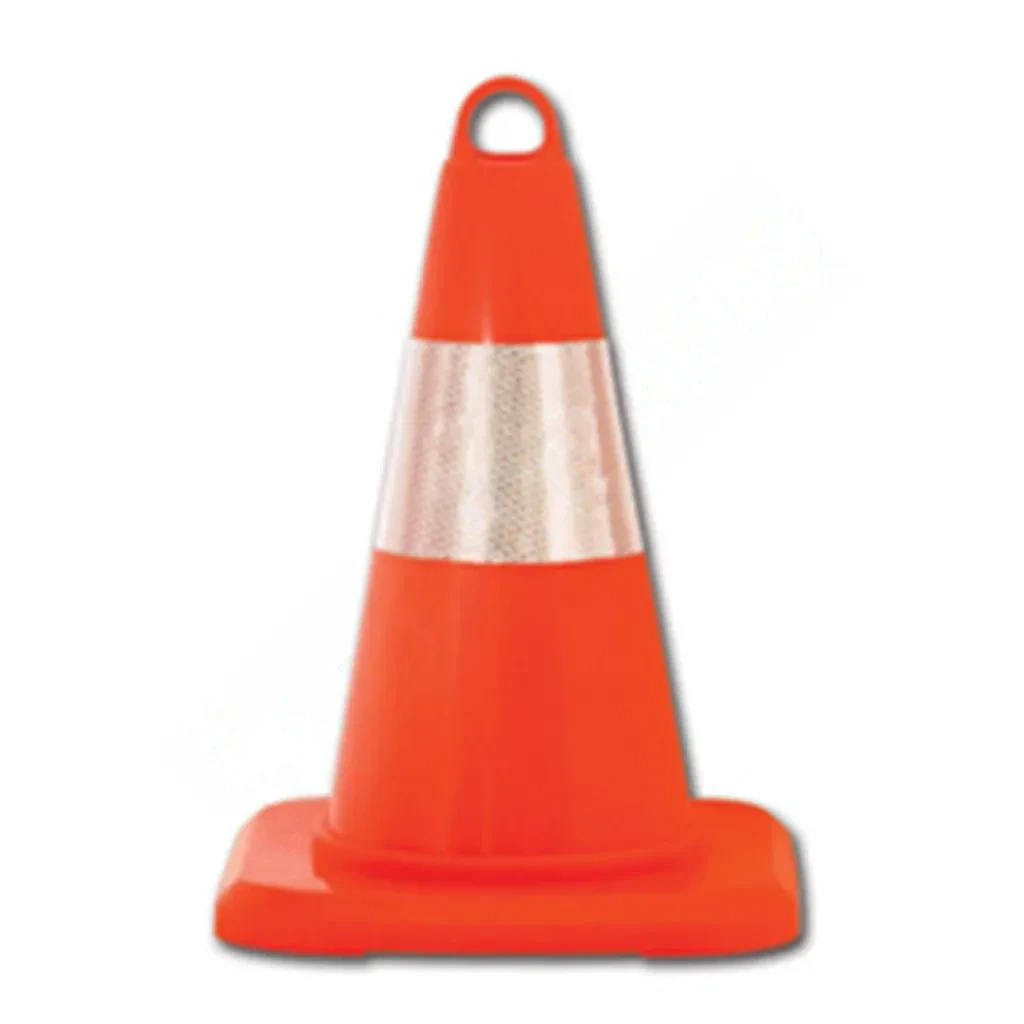
A flexible con for traffic bears the blows and returns to shape, so it stays in use longer. Small, 320–520 mm models arrive for parking lots, and on the roads you choose 750–900 mm cones, with two reflective strips and weight at the base. Place them in clear lines, clean them after each work and replace them when they fade or lose their reflective strips. Find all options in the category flexible cones.
A flexible con for traffic bends to impact and returns to the initial form. It therefore resists more than a cone that cracks at the first blow. In addition, it protects the car that accidentally touches it. Below you will find the dimensions, the variants with reflective strips and the correct way of locating.
What does a flexible con mean for traffic?
The elastic material makes a difference. Thus, the cone deforms under the wheel or under a stroke and then regains its profile. However, flexibility does not mean a lack of stability. For example, the weight models at the base are fine on the spot.
In other words, a flexible con for traffic offers you two advantages: longer use and lower risk of damage.
Where you meet a flexible traffic cone
Road maintenance teams use cones for short interventions, such as repairing a pit. Parking administrators also mark reserved places or temporary closed areas. In addition, the logistics companies delimit the loading ramps and stacking tracks. Then, event organisers direct the cars to the improvised parking lots. Especially in these places, contact with wheels often appears. That's why a flexible traffic cone resists where a hard cone would crack.
Available dimensions and where they fit
Range of flexible cones from Protrafic.ro covers heights from 320 mm to 900 mm. First, 320 mm road cone serves for short markings, in parking lots or halls. Then, the 520 mm models cover many small works on the alley and quiet streets. On the other hand, the heights of 700, 750 and 900 mm are seen from a greater distance.
- Parking spaces and courtyards: 320–520 mm.
- Urban street works: 520–750 mm.
- Roads with higher speed: 750–900 mm, with reflective strips.
Therefore, choose the height of a flexible con for traffic after the speed of vehicles in the area.
How the driver reads the cone line
The driver doesn't see a single cone, but a string. Therefore, it matters the pace and alignment more than a particular model. The cones of the same height form an easy line to follow. Instead, a mixture of size seems disorderly and creates hesitation. For example, at a narrow band, the diagonal line clearly shows where the closed band ends. Thus, in a work you choose a single flexible con model for traffic throughout the area.
Reflective bands: one, two or no
Day, the live color of the cone arrives for a well-lit area. That's why, 520 mm traffic cone without tape remains a good choice for indoors or courtyards. Instead, you need reflection at night. Version 520 mm with a reflective tape provide a minimum visibility at the light of the headlamps.
Especially on public roads, a flexible con for traffic with two bands is observed much earlier. For example, 700 mm two-band signalling cone fits for long-term work.
Weight at base and stability on the ground
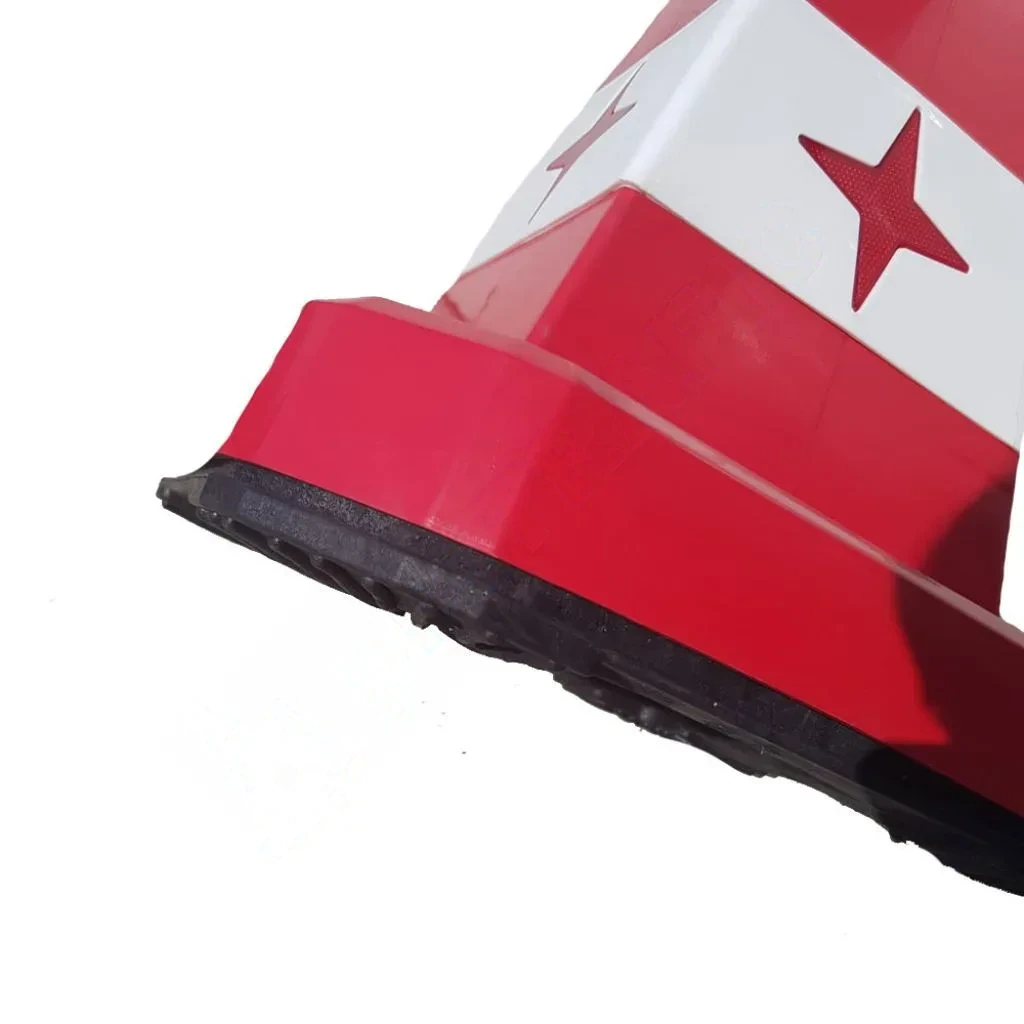
An easy cone can flip to the air current of a truck. Therefore, we choose models with weight for the roads we travel. For example, 900 mm steering cone weighing 5.5 kg It's better on the spot. In addition, the heavy base limits the movement of the cone on the asphalt.
However, a flexible con for harder traffic requires more effort at unloading and squeezing.
Transport of accounts at the work point
Flexible cones enter each other, so they occupy a little space in the self-utilitarian. However, heavy base models add weight to the load. Then, the loading order counts: the cones you need the first ones get the last ones in the car. In addition, a portsignal cart facilitates short-distance movement. Thus, each flexible con for traffic gets quickly to its place, without unnecessary effort.
How to place flexible cones for traffic
First, set the length of the warning area before the work point. Then, place the cones diagonally, to drive the cars to the freeband. They also keep equal distances between each flexible traffic con, so that the line is clearly read. In this case, the driver understands the route without suddenly braking.
- Start with the warning signs, then put the cones on.
- Use higher cones where speed increases.
- Remove the cones in reverse order at the end.
The exact signal scheme on public roads shall be established by project and with the agreement of the authorities. For the rules of movement, consult and information on the Romanian Police website.
Accessories and kits
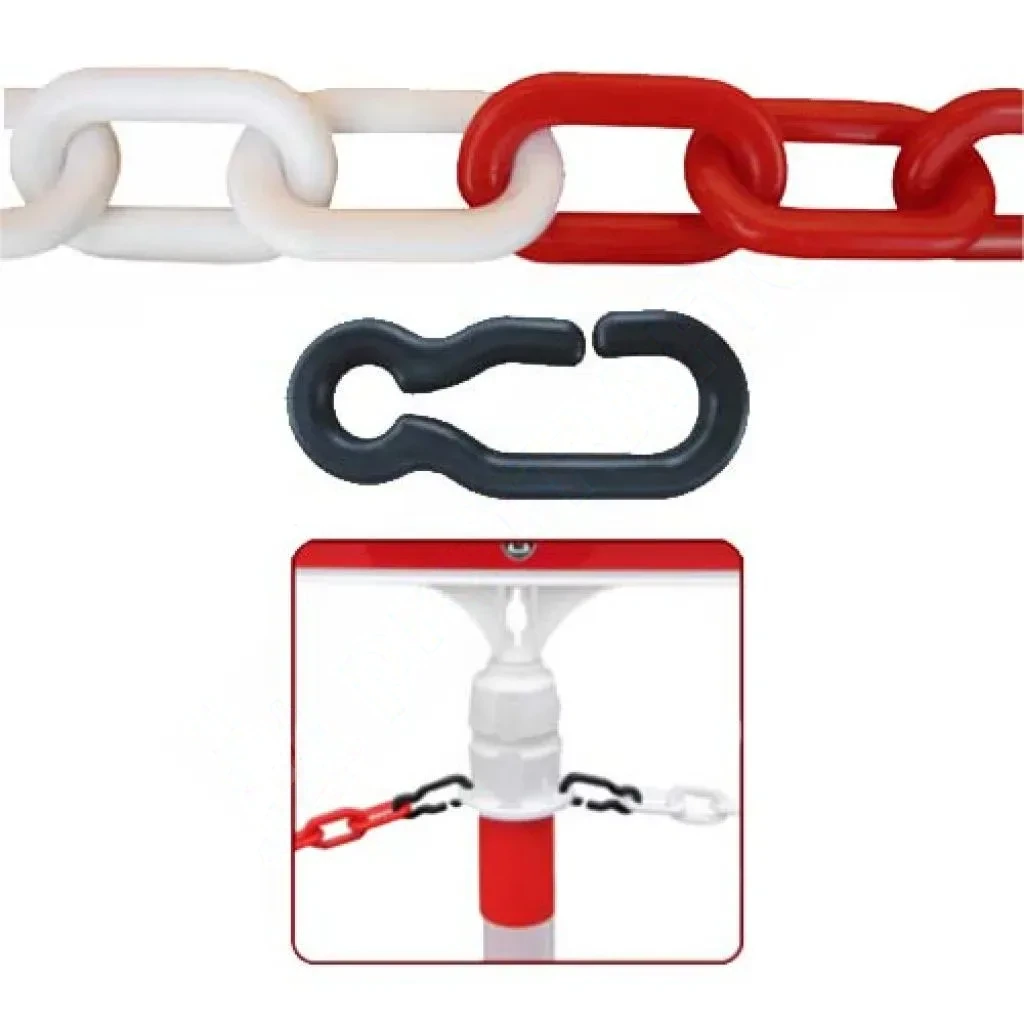
A flexible traffic cone becomes more useful with the right accessories. For example, Plastic Accessories for Cone extend the functions of the cone, such as a chain delineation. Thus, you create a continuous line without heavy fences. If you need full sets, see cone kits.
Traffic flexible cones or rigid?
Rigid cones match protected areas with slow traffic. Instead, a flexible con for traffic better supports contact with wheels. On the other hand, both types require periodic cleaning to remain visible. Compare variants and category rigid cones.
Storage and maintenance
After work, wash mud cones, especially reflective strips. Then stack them vertically, so they don't deform permanently. Also check the strips because a broken sheet reduces night visibility. Finally, it replaces discoloured cones, because a faded color is hard to see.
Frequently Asked Questions about Flexible Cones for Traffic
How high does a flexible con for traffic have to be?
Depends on the speed of the area. For parking lots they reach 320–520 mm, and for road traffic they choose 750–900 mm.
Does the flexible cone always come back to shape?
It comes back from usual deformations, like a wheel pass over it. However, extreme heat or cuts can damage it.
Do I need extra weight?
On roads with heavy traffic, yes. Thus, a flexible con for LB traffic is better on the spot.
In conclusion, choose the cone after height, reflection and weight. See the full range of flexible cones, and the Protrafic.ro team helps you choose a flexible con for traffic according to your work.