How to signal the work on the road: guide on work areas
Drivers see a road work long before the workers, so signaling starts far from the pit. If you know how to signal the work on the road, you warn them of time, guide them along the obstacle and bring them back on the normal path, with equipment suitable for each stage of the work.
In short: warning with temporary indicators, narrowing with cones and beacons, protection with barriers, light at night and alternation with mobile light.
Do you need help choosing?
Tell us what you need and we'll send you the offer on the same working day.
A safe working area means a logical path, not a few random signs. Temporary indicators announce the work, cones and beacons narrow the band, fences and net protect the team, and mobile lights and lights keep the order at night and at the alternation of senses. On public roads, the final scheme follows the approved project, and the daily check keeps everything in position. Find all equipment in category signalling works.
Before the first dig, it's worth knowing how you signal your work on the road, because the drivers see the work area long before the workers. A consistent signal warns them of time, guides them along the obstacle and brings them back on the normal course. In this guide you walk the work area step by step, with the equipment suitable for each stage.
Four zones, one logical path
Specialists share a road work in successive areas. Thus, each area has a different role and other equipment, all in the category signalling works:
- The warning area announces the work and reduces speed.
- The transition gradually narrows the circulation band.
- The work area protects the team, the machinery and the pit.
- The end brings traffic back to the usual bands.
In other words, when you think about how you signal your work on the road, you think of a path, not a few separate signs.
Warning area: temporary indicators
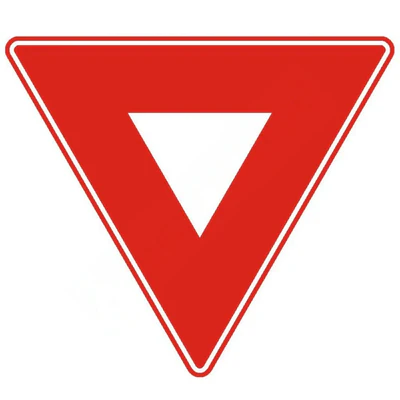
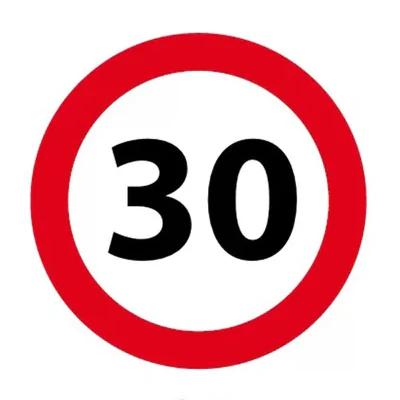
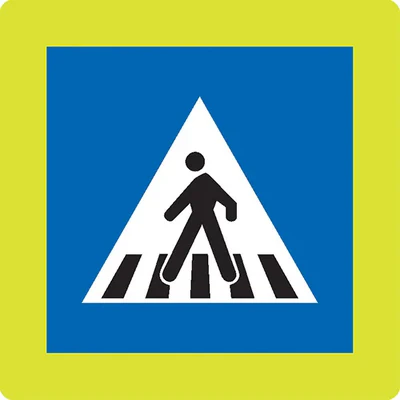
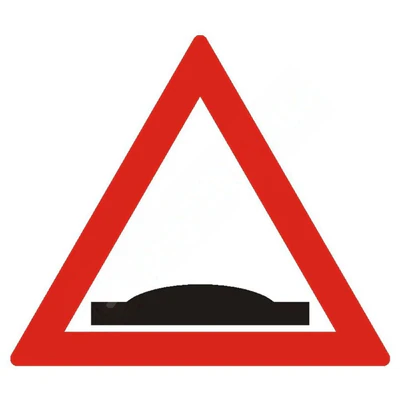
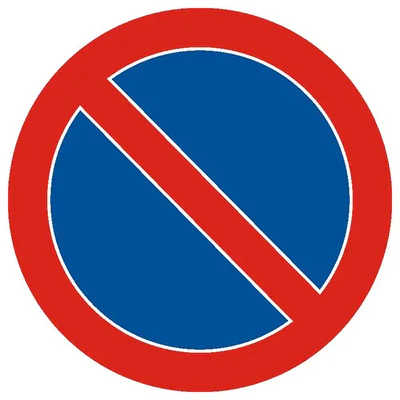
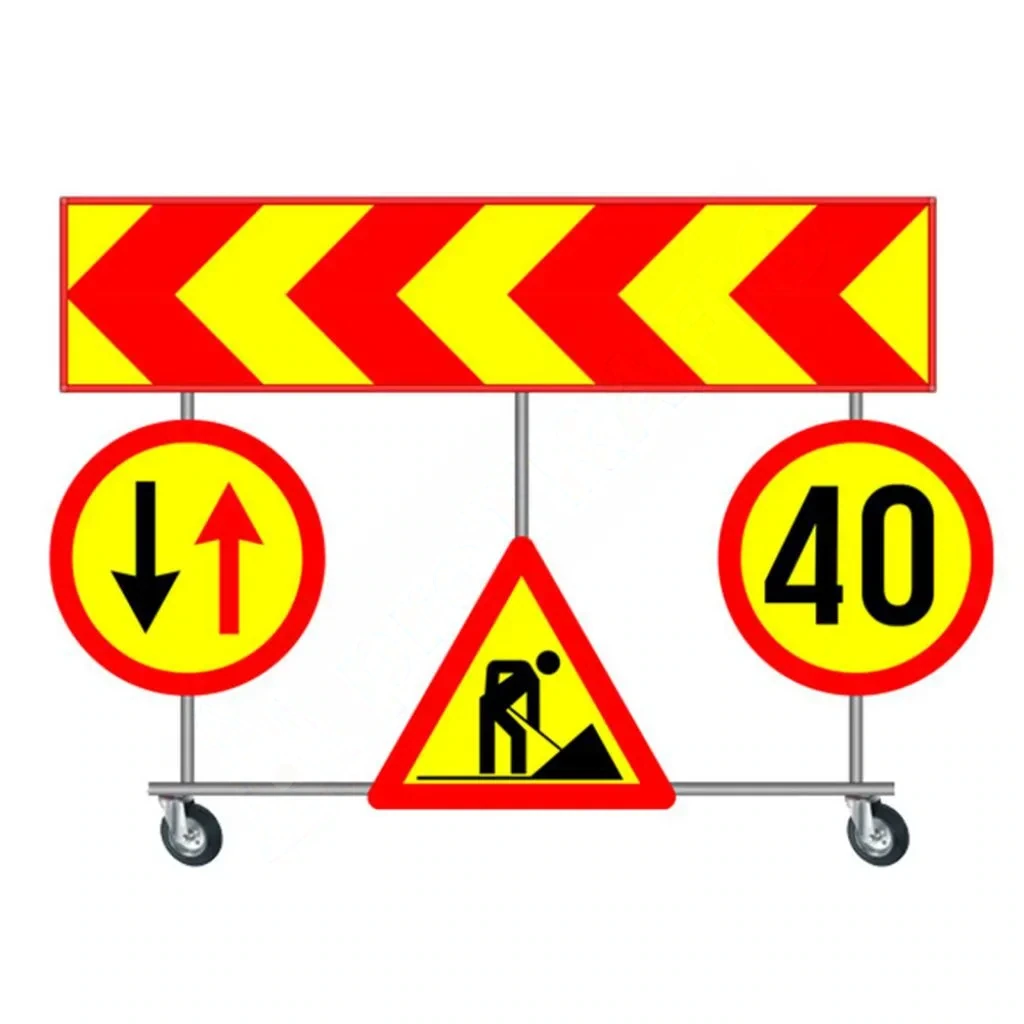
First, the driver has to find out that he's following a work. That's what you use signs in the category Road signs for works. For example, Temporary indicator U16 Temporary deviation announce the change of route. At the same time, the signs of speed limitation and tightening prepare the maneuver.
Temporary indicators are often on a mobile medium. Therefore, a full equipped portsignalizing trolley allows you to move quickly the whole together with the work. Findings and options without indicators in category portsignalization carriages.
Transition: how you signal your work on the road when you narrow down the band
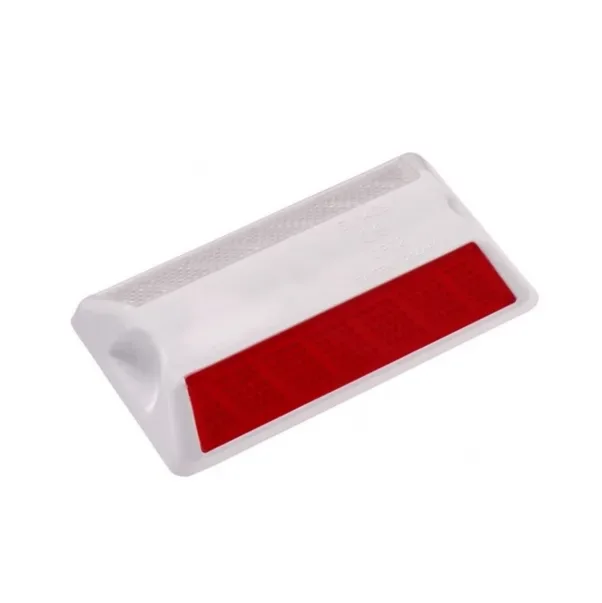
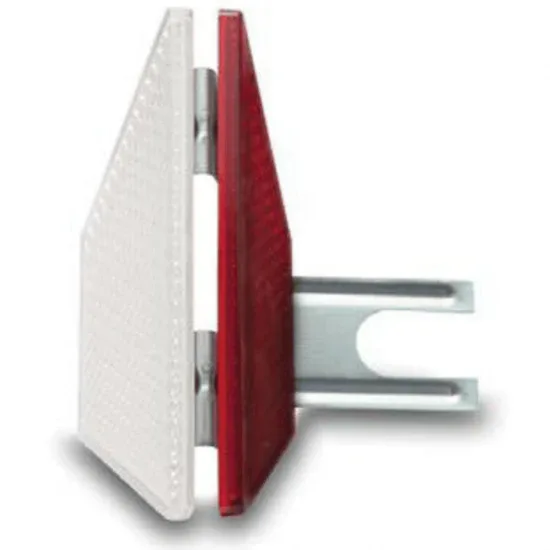
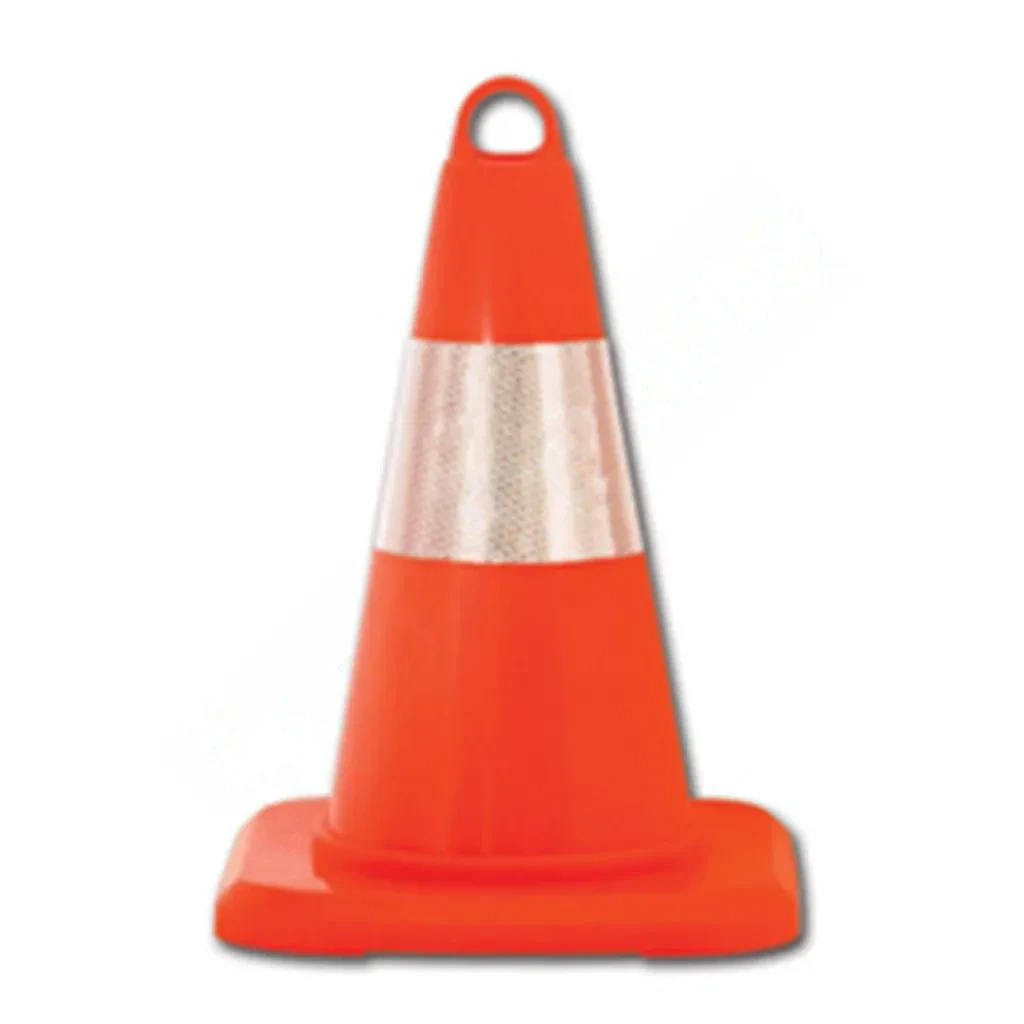
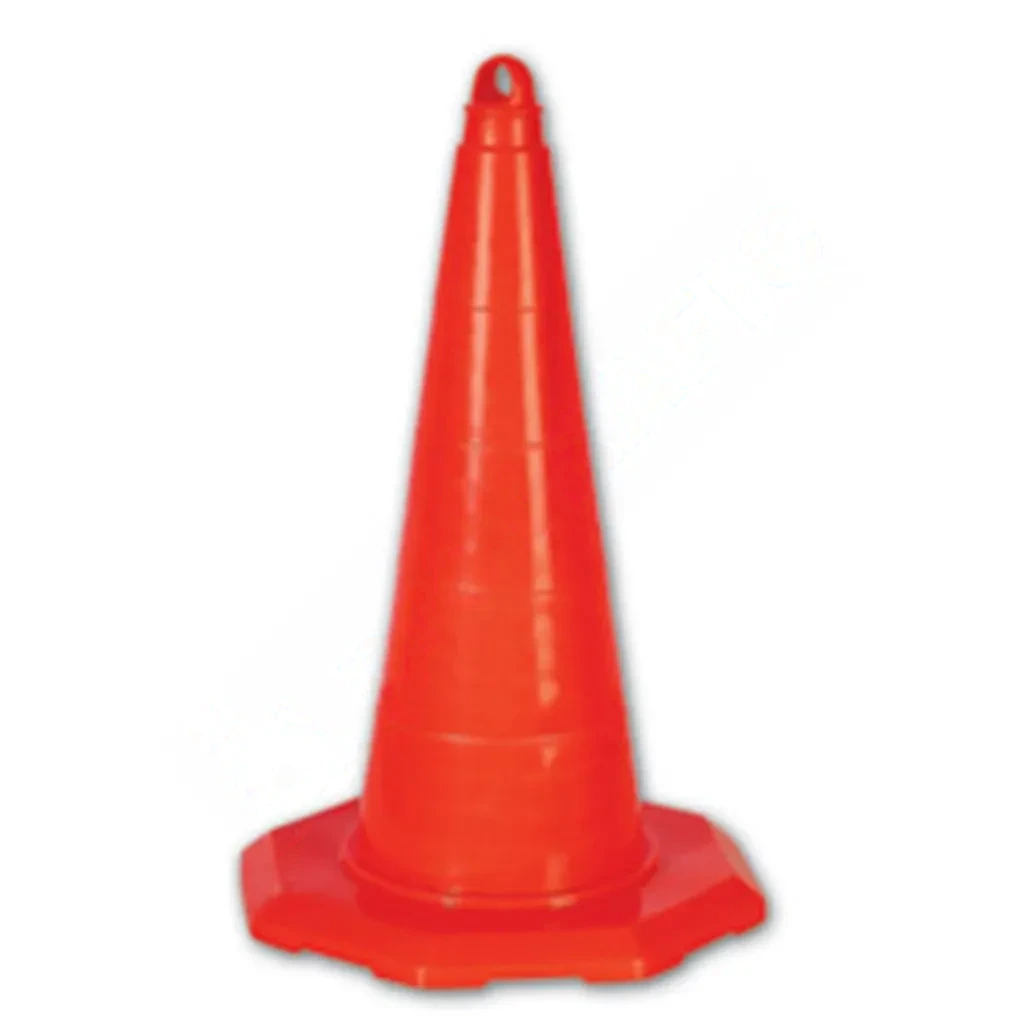
The narrowing requires dense elements, seated diagonally. This is where I come in steering cones and directional beacons. One with a flow rate of 520 mm, with a reflective tape, Moves easily and sees good day. In contrast, the reflectorized leaf markers indicate a clearer direction of circumvention.
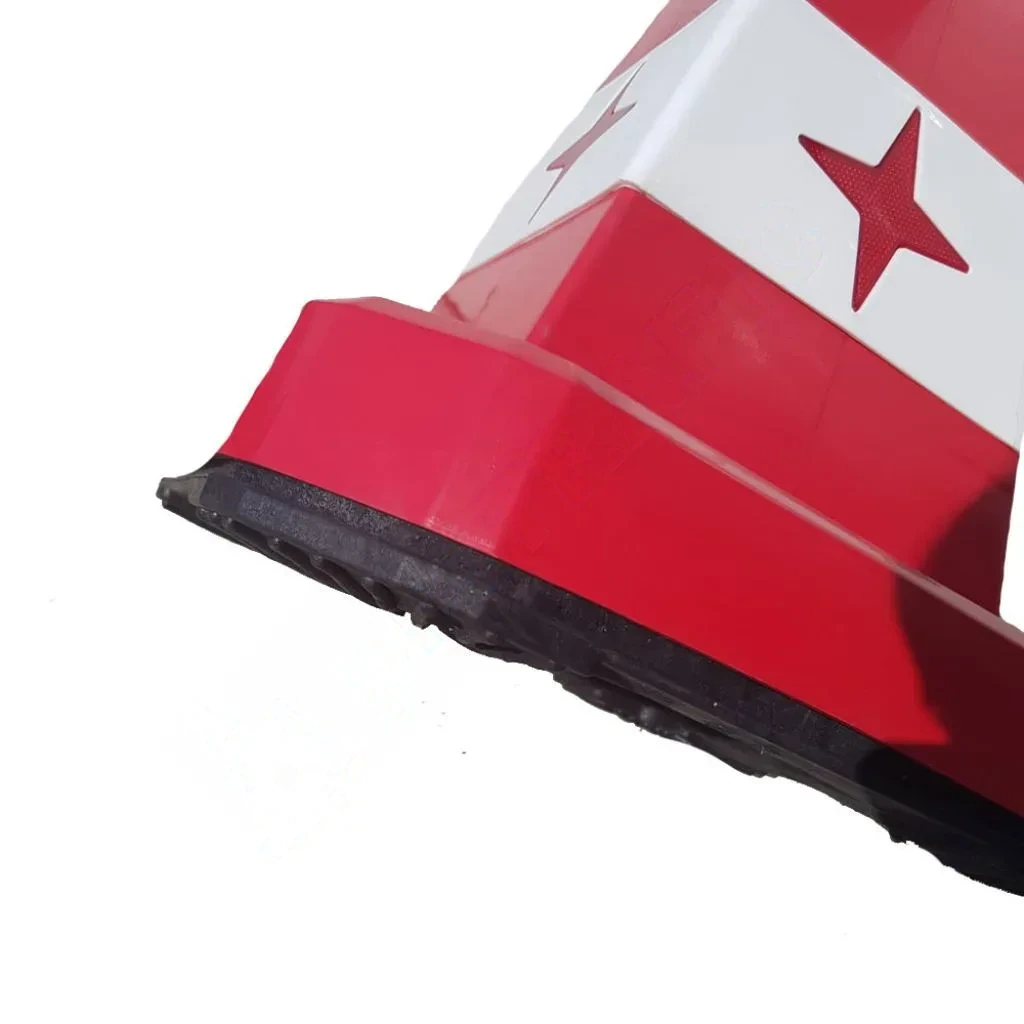
On the wind or near fast traffic, beacons need weight. That's why, Base for 28 kg beacon Keep them in a safer position than a light one. So, before you decide how to signal your work on the road, you check the speed and wind in the area.
Working area: signalling of work with barriers and nets
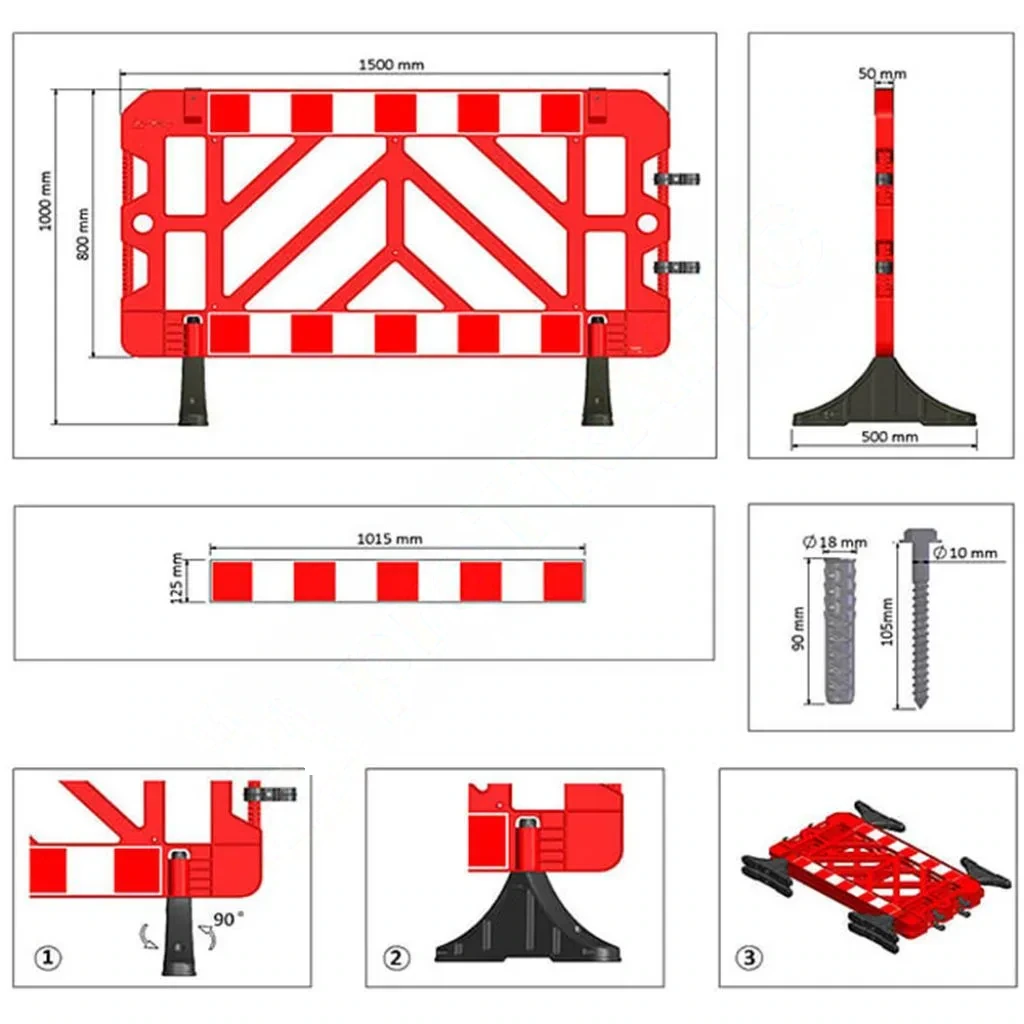
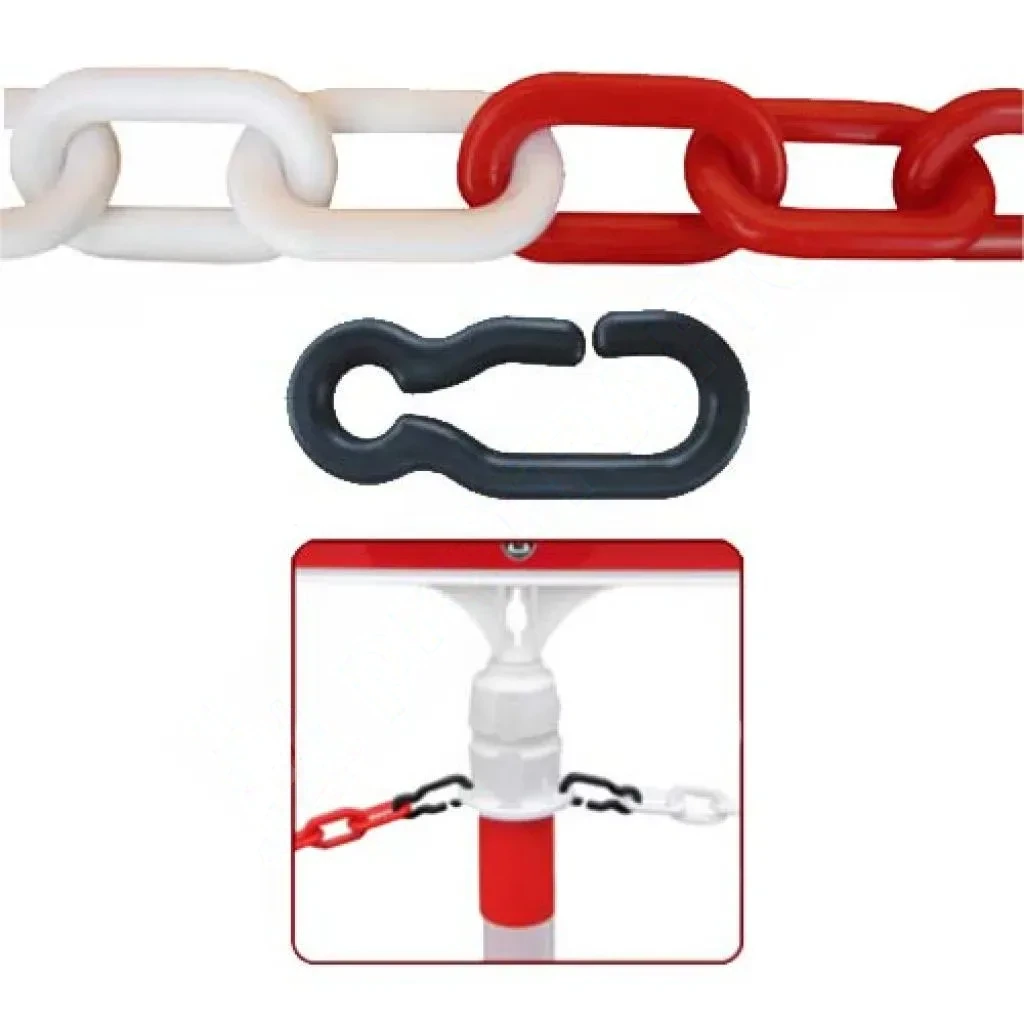
Workers need physical separation, not just visual separation. For this you choose items from the category barriers and fences, such as the 1500x1000 mm modular fence with reflective sheets. In addition, the construction site Orange closes wide perimeters. For easy separations, plastic chains White-red or yellow-black catch between cones. At the same time, Sheets and stripes Quickly mark the small pits.
Therefore, as you point out the work on the road depends on who is travelling around the work area: drivers, cyclists or pedestrians.
Night: signalling work on the road to reduced visibility
After sunset, the reflection alone is not enough. Thus, add active light in the category signalling lamps. For example, a round solar lamp with flashing red light Mark the ends of the barriers. At the same time, the yellow lamps on the beacons outline the bypass line. In addition, the solar lamps load up the day, so check not to be in the shade of the machines.
So, if you plan how you signal your work on the road for a night shift, check the batteries and the lamp charging before each shift.
End of zone: traffic re-induction
Many forget the last stage. However, after the work area, the driver must know that the restrictions have been completed. That's why the final signs, such as U14 The end of all restrictions, bring back the usual rules. In addition, the cones from the narrowing exit are still diagonally, so that the band will gradually expand. Thus, the machines return to normal lanes without sudden braking. Besides, you remove all the equipment right after the end of the work, so that there are no restrictions for no reason. So, as you signal the work on the way to the end it matters as much as it did at first.
Alternation of senses: traffic lights and manual steering
When the work closes a tape on a two-way road, the cars pass by. In this case, choose between manual driving and mobile traffic. For manual driving, a worker uses steering pallets red green or a Lightening stick. Longer works, Stimulation for works adjust the alternation without a permanent man at the head.
However, on public roads, any scheme to signal works shall be established on the basis of a project approved by the road manager and the road police. In other words, the guide in front helps you understand how you signal your work on the road, but it doesn't replace the authorization. The legal framework you find on National legislative portal.
Frequent errors in reporting work
- Signs put too close to work, no reaction time.
- Cones fallen and unerring hours.
- Temporary indicators left in place after completion of work.
- Lamps unloaded the night it counts.
- Lack of final sign, so the driver remains in a restrictive regime.
In conclusion, knowing how you signal your work on the road means checking equipment every day, not just putting it together.
Frequently asked questions about the signaling of works
Who decides how to signal the works on the public road?
The final scheme establishes a draft organisation of movement, with the advice of the administrator and the road police. The equipment then follows that project.
What do they use for an hour-long intervention?
For short interventions, cones, some temporary indicators on the trolley and intermittent lamps usually cover the need. However, the rules on how you signal works on the road remain valid for short periods.
How far do I put the first sign?
The distance depends on the speed of the road and the visibility. The draft therefore establishes it, but the practical rule remains simple: as speed increases, so early warning begins.
Cones or beacons?
The cones move easily and match short interventions. Heavy-duty beacons are better positioned for long-term work.
All the equipment you find in the category signalling works. The Protrafic.ro team helps you choose and shows you how you signal your work on the road with a complete set, according to your work.