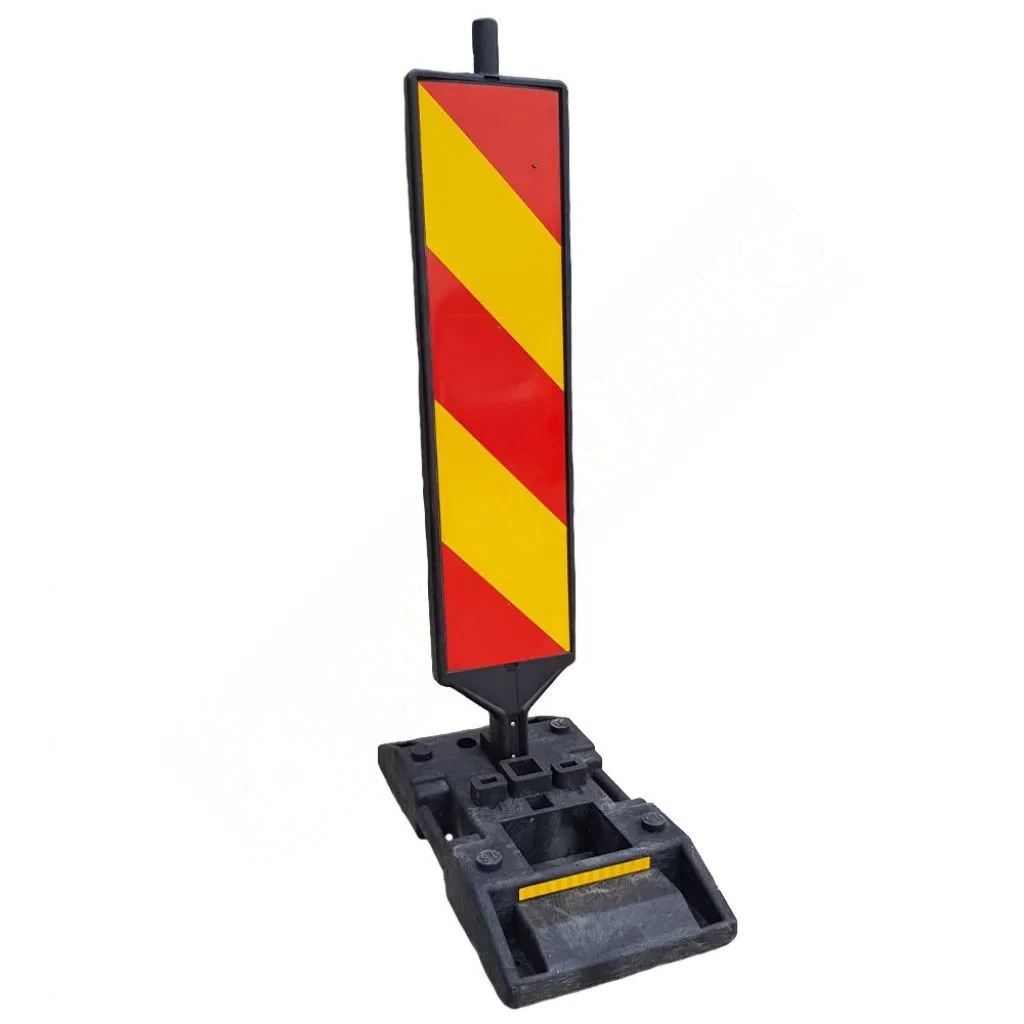
Signaling beacons for Road Works – Safety and Visibility in Traffic
Signaling beacons clearly mark the working areas on the roadway and guide traffic around the yard. Manufactured from resistant materials and equipped with reflective sheets, they are visible day and night, protect workers and reduce the risk of accidents in areas with temporary restrictions.
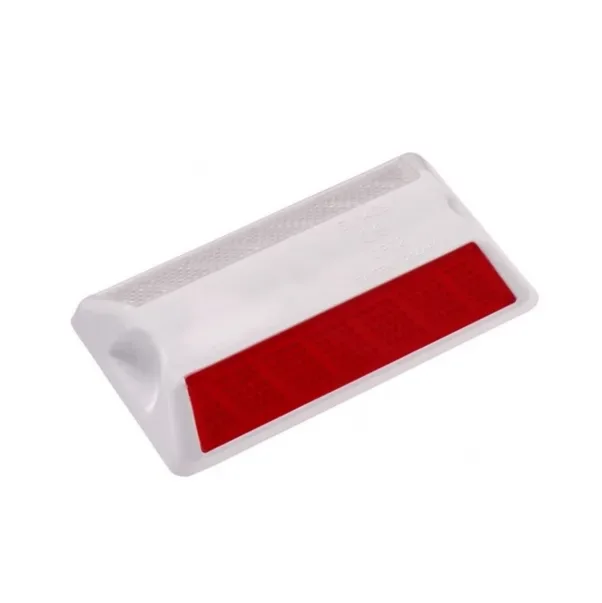
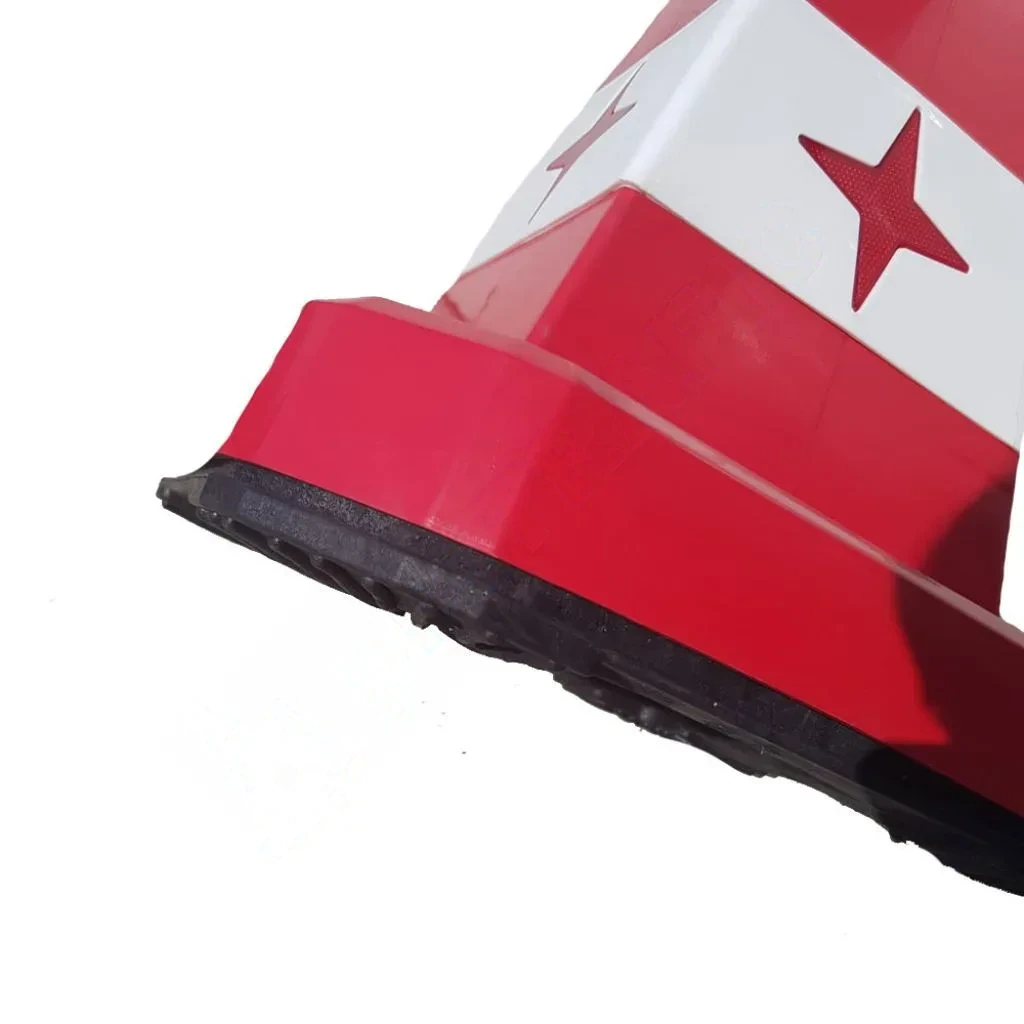
In short: flexible, rigid LED or directional beacons with bases of 15 kg or 28 kg and reflecting sheets of Class 1 or Class 2.
Do you need help choosing?
Tell us what you need and we'll send you the offer on the same working day.
The choice of the beacon depends on the duration and type of work: for short interventions, flexible beacons are practical, which do not cause damage if they are reached, and for long-term construction sites, rigid beacons on heavy bases of 28 kg are suitable. During the night or in bad weather, LED lighting beacons increase visibility. Placed at correct distances and supplemented with temporary indicators, the beacons make the work area safe for all traffic participants.
Road maintenance and modernisation works are essential for infrastructure, but they can create difficulties for drivers and pedestrians. To prevent accidents and maintain a safe flow of circulation, it is used signalling beacons, which clearly marks the work areas and guides the participants to traffic.
What Role Have Signaling Marks?
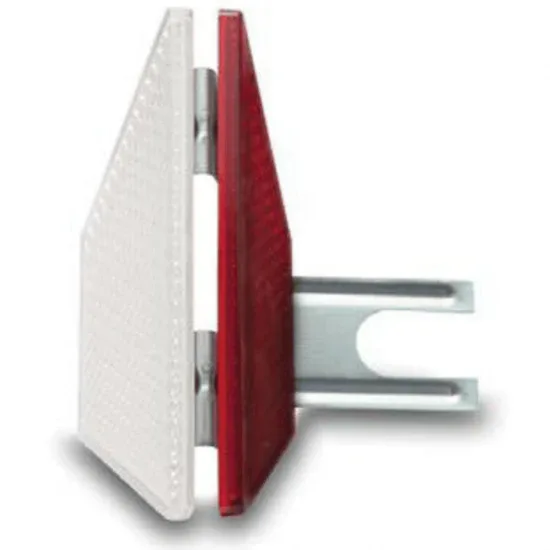
Signalling beacons are visual devices used to alert drivers to temporary restrictions caused by road work. They are made of durable materials and are equipped with reflective elements, so that they are visible both day and night.
Types of Tags and Use Lor
Depending on the type of work and traffic conditions, several types of beacons are used:
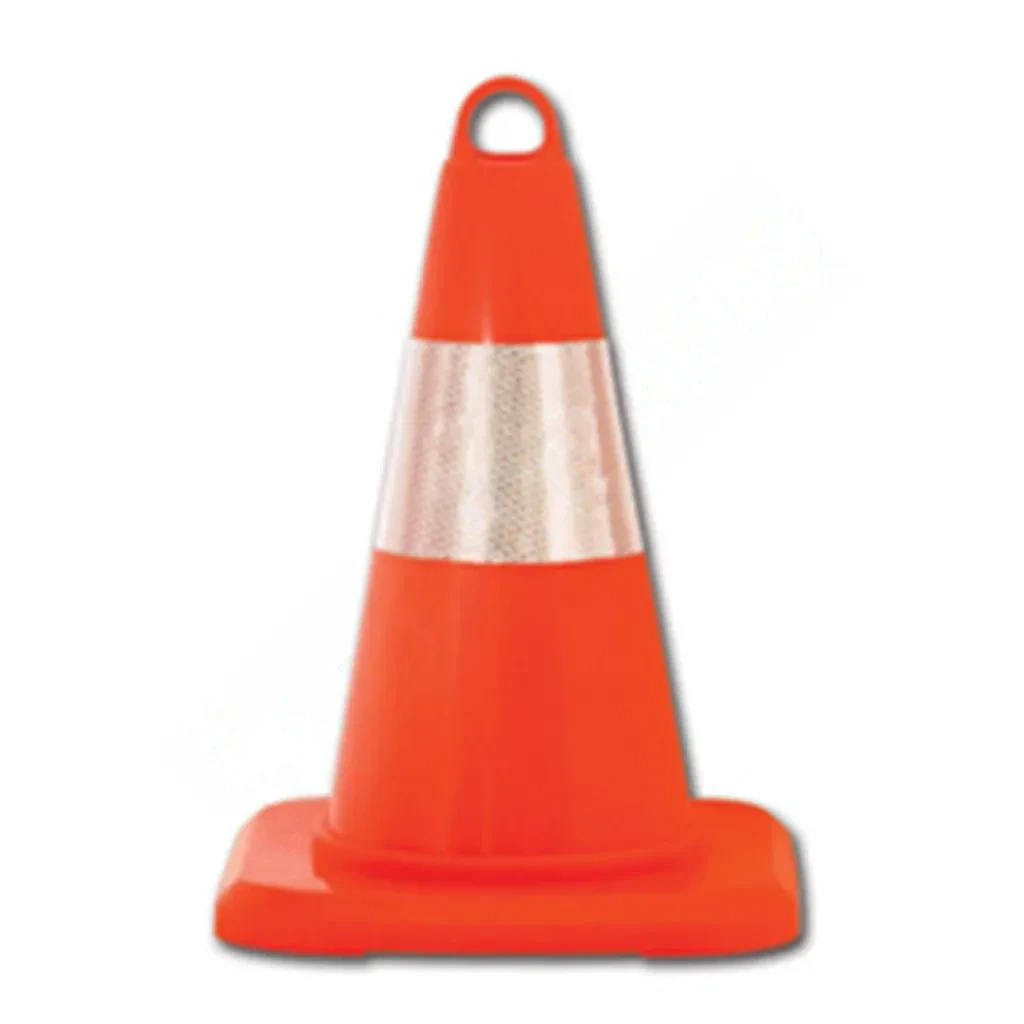
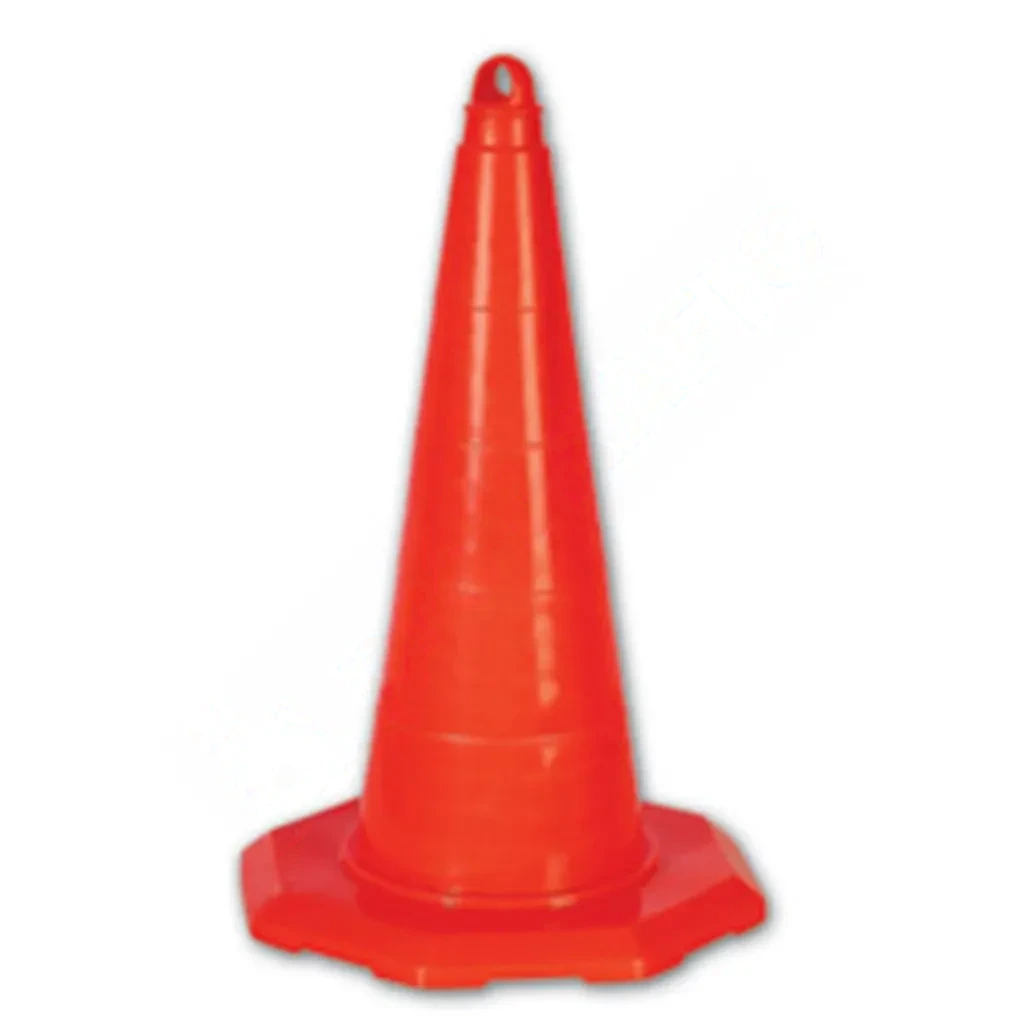
- Flexible tag – Made of elastic materials, are suitable for areas where they can be accidentally hit without causing significant damage.
- Plastic rigid beacons – Ideal for long-lasting works, due to increased weather resistance.
- LED lighting beacons – Provides superior visibility at night or in adverse weather conditions.
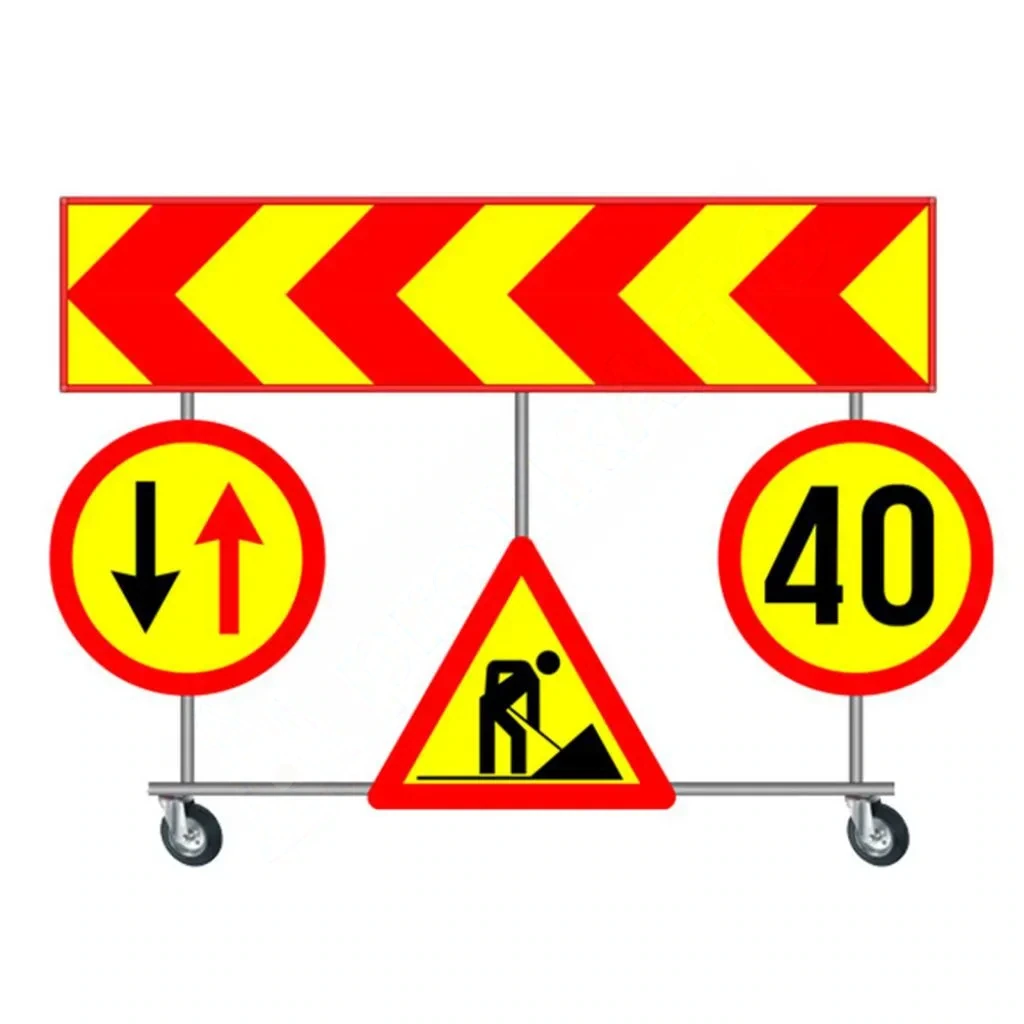
- Directional beacons – Used for the temporary diversion of traffic, guiding vehicles around intervention zones.
Marking model:
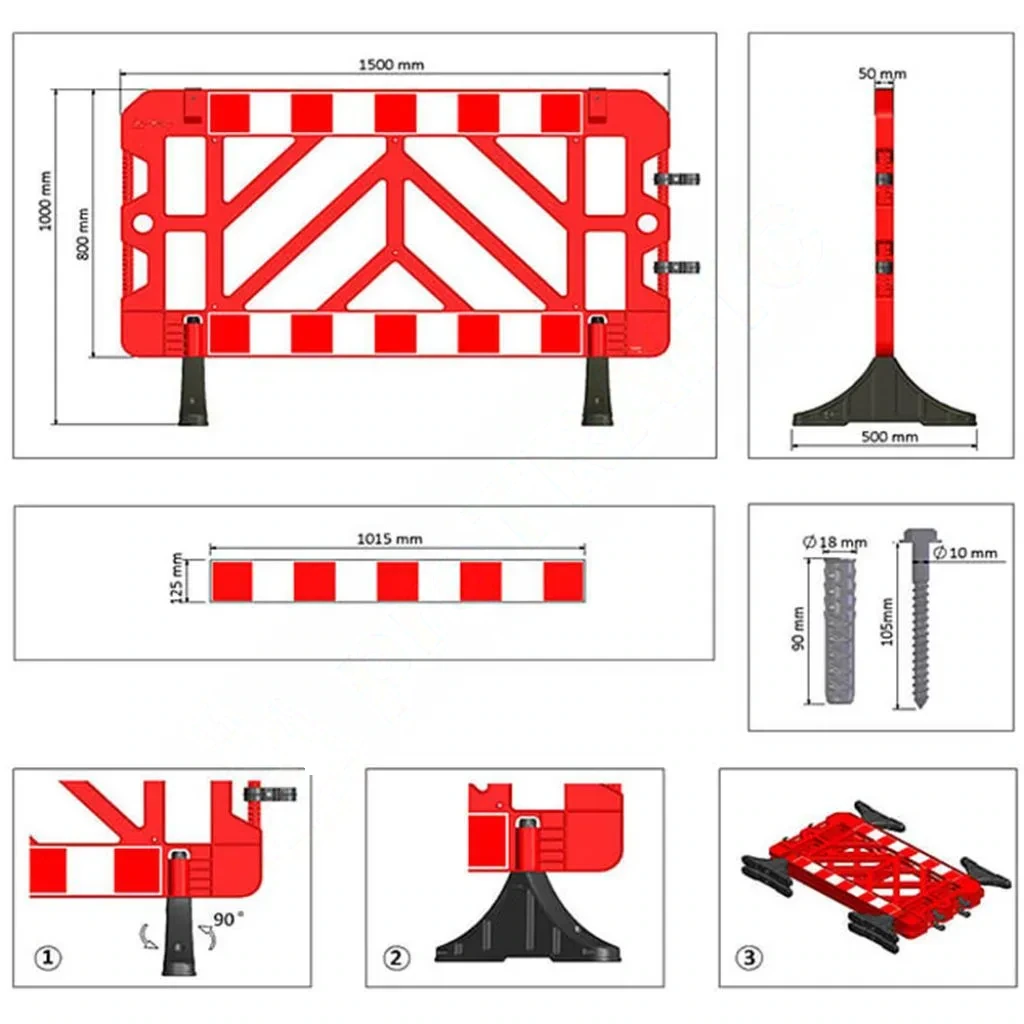
- Directional marking sheet class 1 with base 15 kg
- Marking sheet marking class 2 with base 15 kg
- Tag worksheets class 1 with base 28 kg
- Tag driving sheet class 2 with base 28 kg
- Flexible marker H 700 mm folie class 1
- Flexible marker H 1000 mm folie class 1
- Flexible H 1200 mm class 1 foil with threading system
The benefits of the correct use of beacons
Signaling beacons help to maintain safety in working areas and have multiple advantages:
- Warn drivers about the presence of a roadway.
- Ensure the protection of workers who perform roadway work.
- Reduce the risk of accidents by clear traffic guidance.
- They improve visibility in low light conditions.
Regulations on the use of beacons
The use of signalling beacons must comply with certain rules laid down by road legislation:
- These must be located at optimal distances so that drivers have enough time to react.
- Reflective materials are mandatory to ensure visibility at night.
- In the case of long-term work, the beacons should be supplemented with other signalling elements, such as temporary indicators and information panels.
Conclusion
Signaling beacons are essential for the efficient organization of road works and for the protection of all traffic participants. Fitted properly and used according to regulations, they contribute to reducing incidents and maintaining safe and flowing traffic. In every road project, safety must be a priority, and beacons play an essential role in this process.
Do you need Tag for work for a project? You can order directly on protrafic.ro or write to office@protrafic.ro or call us at 0725404404!