Driving the pedestrian flow: tails, tactile paths and halls
Driving the pedestrian flow decides how calm people move to an airport, a bank, a store or a lodge. Tape pillars organize tails, tactile markings guide people with impaired vision, and floor strips separate pedestrians from machines.
In short: steering the pedestrian flow combines mobile elements for tails, tactile routes for accessibility and markings on the floor in the halls.
Do you need help choosing?
Tell us what you need and we'll send you the offer on the same working day.
A clear pedestrian path reduces congestion, shortens waiting time and prevents accidents between people and machines. First draw the path on the building plane, choose mobile elements for areas that change frequently and fixed elements for tactile paths. For public buildings, check the accessibility requirements of the project and test the route before opening at events. See all solutions in category Driving pedestrian traffic.
Driving the pedestrian flow decides how fast and how calm people move to an airport, a bank, a store or a lodge. A well-drawn tail reduces, for example, the emboldening at the counter. In addition, a tactile path helps people with impaired vision to orient themselves. Category Driving pedestrian traffic Protrafic.ro brings together five product families for these situations.
Five instruments for driving the pedestrian flow
- Retractable belt posts, for tails and color that change often.
- Rope queue posts, for hotels, event rooms and receptions.
- Tactile markings, for guiding the blind on the routes.
- Braille tactile markings, for the identification of rooms and services.
- Floor signs, for demarcating areas in halls and warehouses.
Thus, driving the flow of pedestrians combines visual, physical and tactile elements.
Organising the flow of pedestrians to tails, with taped poles
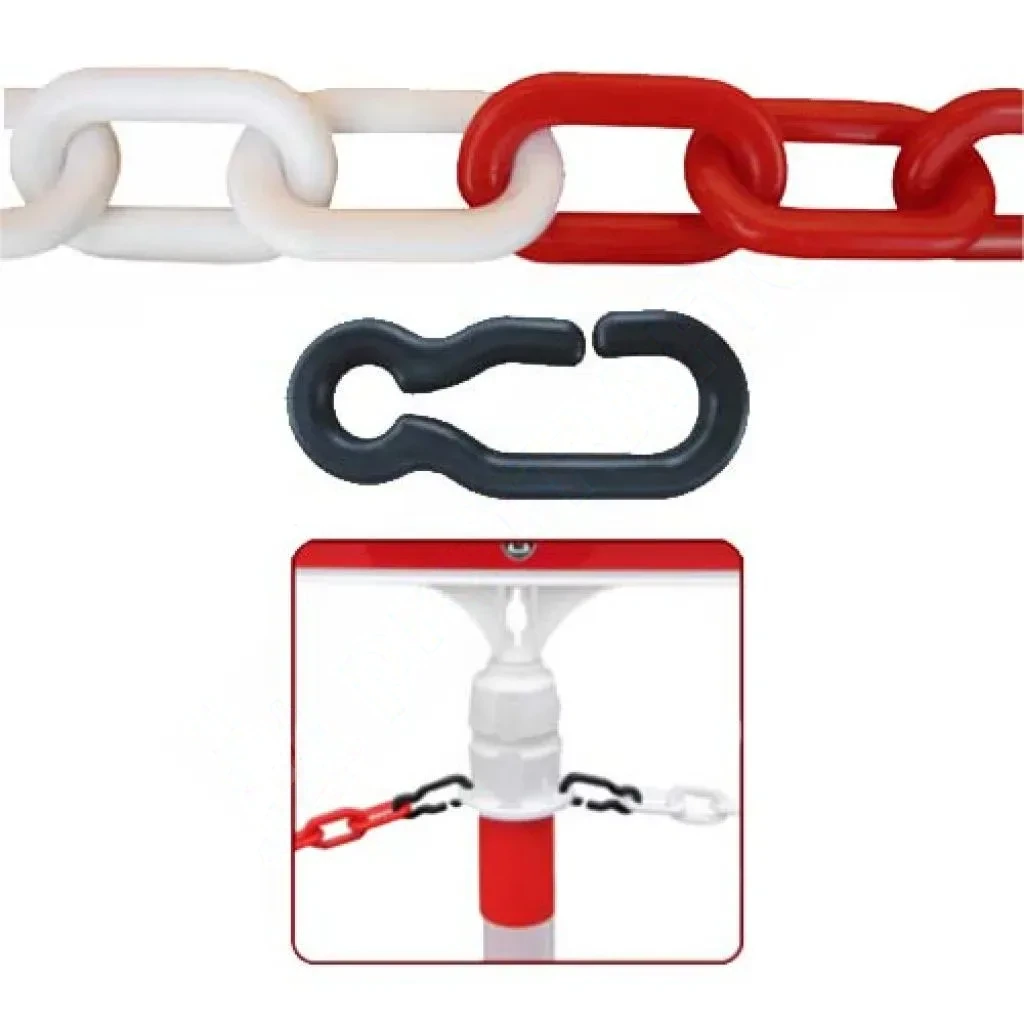
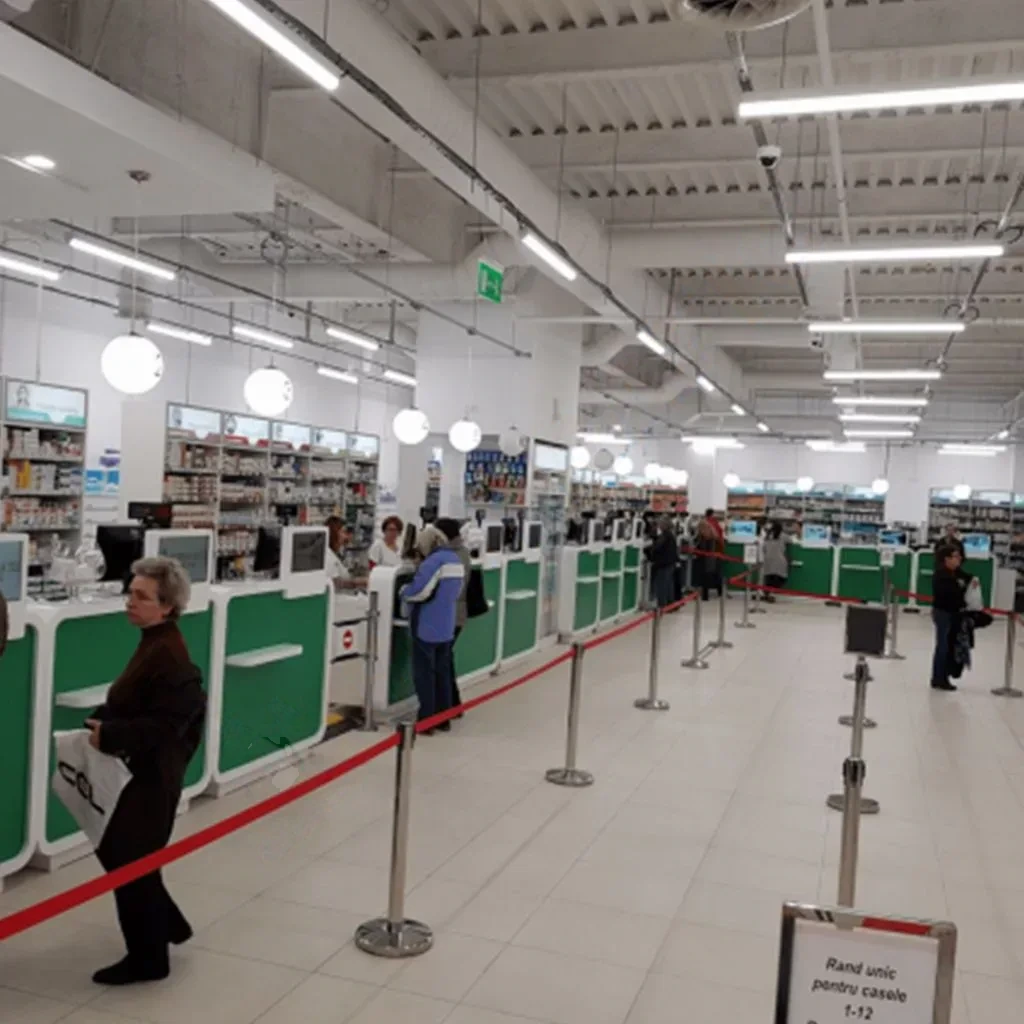
The retractable taped pole remains the most flexible solution. The band pulls from one pole and gets caught in another, so you change the path in a few seconds. For example, red retractable striped pole It clearly marks a tail at the house. To catch the wall, there is 5 meter stoppers band, which closes a hallway without an additional pillar. At the same time, tape tape of 3 m allows the replacement of the worn band. Thus, driving the pedestrian flow is adapted to the daily schedule.
How much color does a tail have?
For a short tail, a single straight lane is enough. Instead, a long tail folds into the serpentine to fit into space. However, the width of the strap shall allow a trolley or a wheelchair to pass. So, in directing the flow of pedestrians, think first of those who move harder.
Information on the route
People take a tail easier when they know where it leads. Therefore, a A4 panel for guiding pillars display simple messages such as "House 3 . or "Input . In other words, directing the flow of pedestrians becomes a form of communication.
Stylish spaces: rope pillars
In hotels or events, the appearance counts as much as the function. Here, the corded pillars create a discreet and elegant delineation. For example, gold cord pole Fits with a red carpet at the entrance. Instead, the silver version integrates into the modern interiors, and the red laced cords come with gold or silver hooks. However, steering the flow of pedestrians with cord works mainly in quiet spaces, not in large crowds.
Leading pedestrian flows at events
A concert, conference or exhibition changes the paths from one day to the next. That's why events are especially important to the elements you move quickly. First, separate the exit entrance, so the flows don't meet. Then you create color waiting for access and wardrobe. In addition, you always leave the escape routes free and easy to find. Thus, driving the pedestrian flow also supports fire safety, not just comfort.
Guide to pedestrians visually odded people: tactile markings and Braille
A person with vision impairments reads the route with the heel or with the cane. Therefore, tactile markings have two types of relief. The guidance mark shows the direction of the walk. Instead, the warning mark or STOP announces a change, such as a ladder, a border or a door. Thus, directing the flow of pedestrians also takes into account those who do not see visual signs.
- For direction: tactile guidance marking 300x300 mm.
- Larger surfaces: orientation tactile carpet 600 x 300 mm.
- Door identification: Braille touch indicator for elevator.
For a public building, the final solution shall be established after the project and the legal requirements on accessibility, published on National legislative portal. Therefore, steering the flow of pedestrians into public spaces starts from an accessibility plan.
Driving pedestrian traffic in warehouses and warehouses
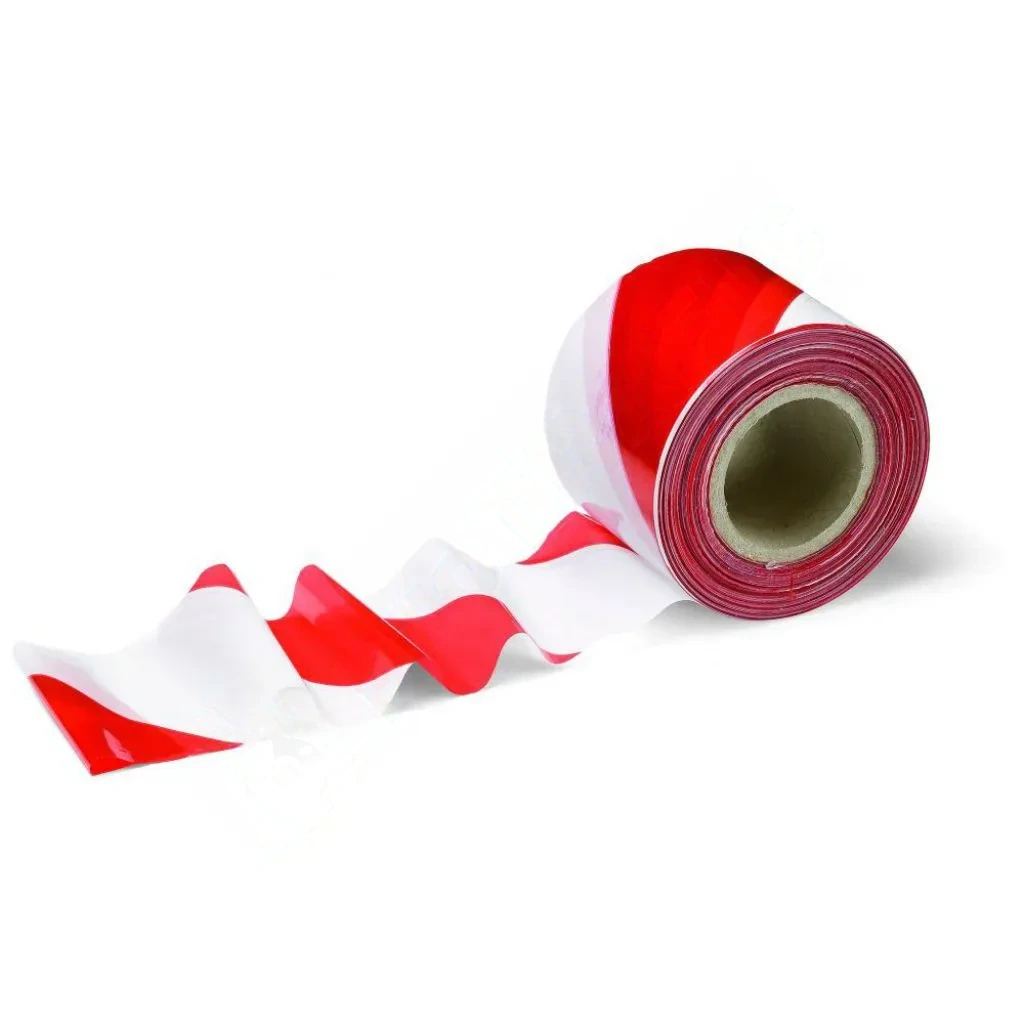
In industrial spaces, pedestrians share colors with the stackers. Therefore, the line on the floor becomes the first visual barrier. Black-yellow adhesive band highlight the danger areas, and the white-red version marks other areas, according to the company's color code. Also, at color intersections, surveillance mirrors help pedestrians and stackers see each other. In this case, steering the flow of pedestrians clearly separates people from machines.
How you plan to drive the pedestrian flow
- Draws the path on the plane of the building, from the entrance to the exit.
- Mark the points of conflict: doors, stairs, elevators, color of machines.
- Choose mobile items for areas that change daily.
- It uses fixed elements for the tactile and floor paths.
- Check the route at the top of the line, with real people.
In conclusion, the steering of the pedestrian flow starts from observation, not from catalog. Especially in the first few days, he notes where people gather and adjusts the pillars.
Frequently Asked Questions about Driving the Pedestrian Flow
How long is the band of a guiding pole?
The spare box in the catalogue is 3 m long and weighs 1 kg. Plus, the wall bands reach some models, five meters away.
Can I set up tactile markings on my own?
On a small surface, yes, if you respect the instructions. However, in public buildings, the tactical route follows the accessibility project.
What do I choose for a hotel reception?
At a reception, steering the flow of pedestrians with golden or silver cord pillars retains the elegant appearance of the space. For long tails, however, taped pillars remain more practical.
How do pedestrians separate from stackers?
It uses adhesive strips on the floor and, where possible, physical barriers. In addition, it clearly marks the pedestrian passages inside the hall.
See all solutions in category Driving pedestrian traffic. The Protrafic.ro team helps you choose the right elements to drive the pedestrian flow from your building.