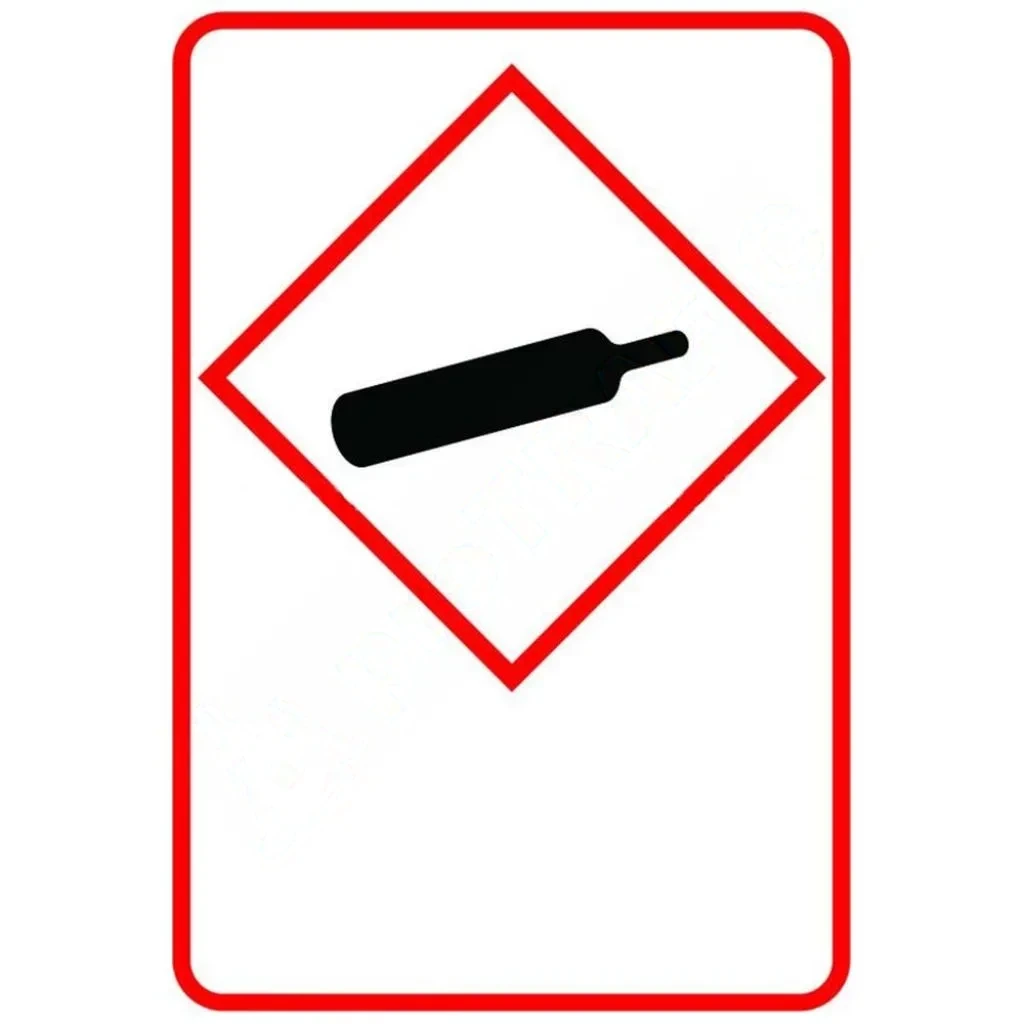
Chemical hazard label: how you report the warehouse
A hazard label for chemicals mounted on the door, closet or shelf warns anyone entering the area. Complete the label of the manufacturer on the packaging and help especially visitors, cleaning teams and new staff. See how you choose and where you put these signs.
In short: signal entry, cabinets and shelves, check the pictogram of each PC01–PC09 model and update the signs with the inventory.
Do you need help choosing?
Tell us what you need and we'll send you the offer on the same working day.
Signalling areas with hazardous substances shall only work if they remain current and easy to read. Start with the product inventory and the security data sheets, then choose the right pictograms for each area. Combines chemical signs with warning and mandatory signs, so people know and what gear you're cooking. View complete series in category indicators for chemical products.
A hazard label for chemicals says, from a glance, what risk exists in a room or a closet. The original package has its own label, put by the manufacturer. However, people first see the warehouse door, shelf or work area. Therefore, the location marking shall complete the label on the container. In this article see how you build this system with the indicators in the PC series.
Label on container and sign on wall
Many confuse the two levels of information. The label on the package describes the exact substance, hazard phrases and precautions. The indicator on the wall, instead, warns that there are substances in that area with a certain type of hazard. In other words, the first one talks about the product, and the second about space.
A hazard label for entry-mounted chemicals helps especially people who don't work there every day. I am referring, for example, to cleaning teams, visitors or intervention staff. Thus, they know what precautions they take before entering.
How to read a chemical hazard pictogram
On a hazard label for chemicals, the pictograms usually have the shape of a rose with a red box and a black symbol on the white background. Each symbol indicates a family of dangers. Among the best known are:
- Flame, for flammable substances;
- Test pieces that attack a hand and surface, for corrosive substances;
- Crossbone skull for acute toxicity;
- Gas cylinder, for pressure gases;
- The tree and the fish, for danger to the aquatic environment.
However, don't guess what symbol corresponds to each code. Category Series safety indicators for chemical products includes nine models, from PC01 up to PC09. Therefore, open each product page and check the image before ordering a hazard label for chemicals.
Where you put a hazard label for chemicals
The location follows the path of the people. First, it signals the entry into the substance repository. Then mark the cabinets and shelves where products with different hazards are located. In addition, signal the transfer or mixing areas.
- The storage room or storage room door;
- Metal cabinets for flammable products;
- Corrosive coatings, held separately from the others;
- Accumulator charging area, where electrolyte exists;
- Small workshops, schools or car services.
It also puts a hazard label for chemicals at eye height, not on the bottom of the door. Thus, the sign remains visible even if the door remains open. In a car service, for example, the area with oils, solvents and electrolyte requires different signs.
When you group more pictograms
In a mixed store, products with different dangers often stand. In this case, mount the pictograms next to each other, in one orderly direction. For example, combinations PC03 with PC05, After you check what symbol each has. However, do not crowd the door with signs unrelated to the products inside.
Hazard label for chemicals and other safety indicators
Chemical signs work with other categories. On the one hand, the general warning announces the risk. On the other hand, the mandatory signs say what equipment you've got. For example, next to a hazard label for chicken chemicals often a sign for glasses or protective gloves. Find these patterns in the categories warning indicators and mandatory indicators.
The logical order shows as follows: first the danger, then the mandatory equipment, at the end the prohibitions, such as smoking. In other words, the reader learns what threatens him and how to protect himself.
Another common problem is the storage of incompatible products together. For example, oxidizers do not sit near flammable substances. Signalling does not solve this problem alone, but makes it visible. Therefore, when you see a symbol on a chemical hazard label that doesn't match up with the shelf neighbors, you talk to the security officer.
Errors reducing the effect of signalling
- The sign shows a danger that no longer exists in the room.
- The new products are on the shelf, but the signal remains old.
- The indicator is behind the door open.
- The discolored pictograms no longer differ from a distance.
- Any sign at the transvestment area is missing.
Therefore, it updates each hazard label for chemicals with the inventory of substances. Product security data cards help you find out what pictograms you need. Then choose the right signs for each area.
Who decides where you put a chemical hazard label?
The exact obligations depend on the substance, quantity and activity of the firm. The final solution is therefore determined after the risk assessment and the requirements of the authorities. The safety and health officer at work usually coordinates this assessment. Useful guides about hazardous substances at work find on the site European Agency for Safety and Health at Work. At the same time, product documentation remains the main source for each hazard label for chemicals.
Frequently Asked Questions: Sign of Hazard to Chemicals
Replace the mark on the wall with the label on the packaging?
No, no. Manufacturer's label remains on the container. Instead, a hazard label for chemicals on the door or shelf warns about the area.
How many pictograms do I put on a store door?
Put one for each type of danger present. However, keep an orderly row and remove the signs that no longer match.
How do I choose between PC01 and PC09?
Check the image of each model, for example PC07, and compare it with the pictograms in the security data sheets.
Where do I put the sign in a small workshop?
Put it next to the substance cabinet and at entry into the work area, at the eye level.
Are you preparing to signal a warehouse or a workshop? View all models in category indicators for chemical products and choose a hazard label for chemicals for each area. The Protrafic.ro team helps you combine pictograms with warning and mandatory signs.