Explained prohibition indicators: what is the C series
Do you need simple-explained prohibition indicators, with real examples? The guide passes through the series C1, C7, C17, C24, C27 or C44, shows what prohibits each sign and where you mount it in parking lots, enclosures or roads, without jargon and with frequent mistakes to avoid.
In short: white disc with red border, clear symbol, visible mounting and, if necessary, additional panel for schedule or exceptions.
Do you need help choosing?
Tell us what you need and we'll send you the offer on the same working day.
With these group-explained prohibition indicators, you can easily choose the sign that matches the situation in the field. Restrictions on access, gauge, speed or dangerous goods shall have their respective roles. Mounting at the correct height and periodic checking of the sheet shall keep the message clear for each driver. For exceptions and schedule, add additional panels under the main sign. Find the necessary models in the category Prohibition signs.
I have gathered in this guide the prohibition indicators explained on the understanding of anyone who administers a road, a parking lot or an enclosure. Each sign below exists in the Protrafic.ro offer, so you can pass directly from the theory to the command. In addition, you will see where it mounts and what mistakes occur often.
Form and colours of prohibition indicators
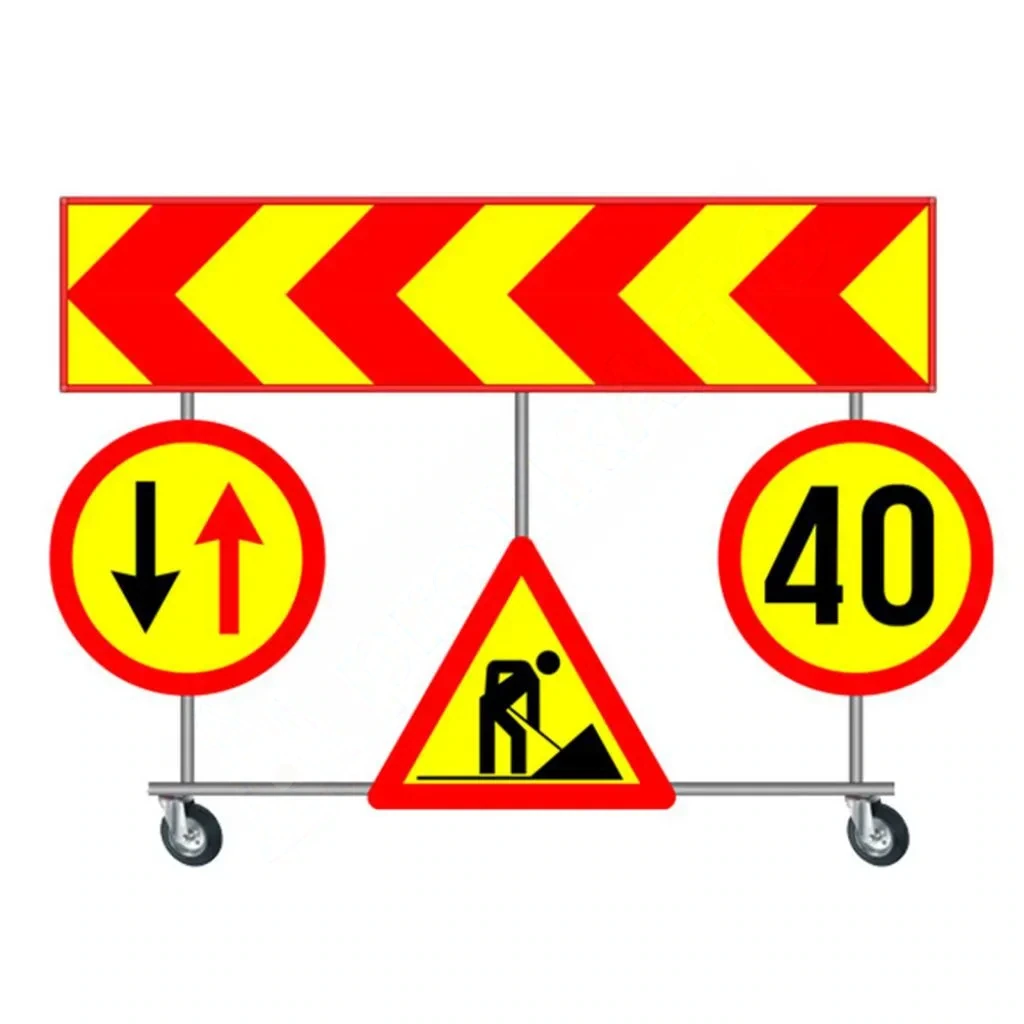
The first step in any list of explicit prohibition indicators keeps the shape and color. Most have round shape, white background and red border. Then the symbol appears in black or red, in the center of the disc. Thus, the driver understands the message from a glance, without reading the text. Also, the round shape distinguishes them from the warning triangles. Instead, mandatory indicators use the blue background and impose action. In other words, the color tells you whether the sign forbids or obliges.
Group-explained prohibition indicators
For clarity, I shared the signs in the category Prohibition signs for their purpose.
General restrictions on access
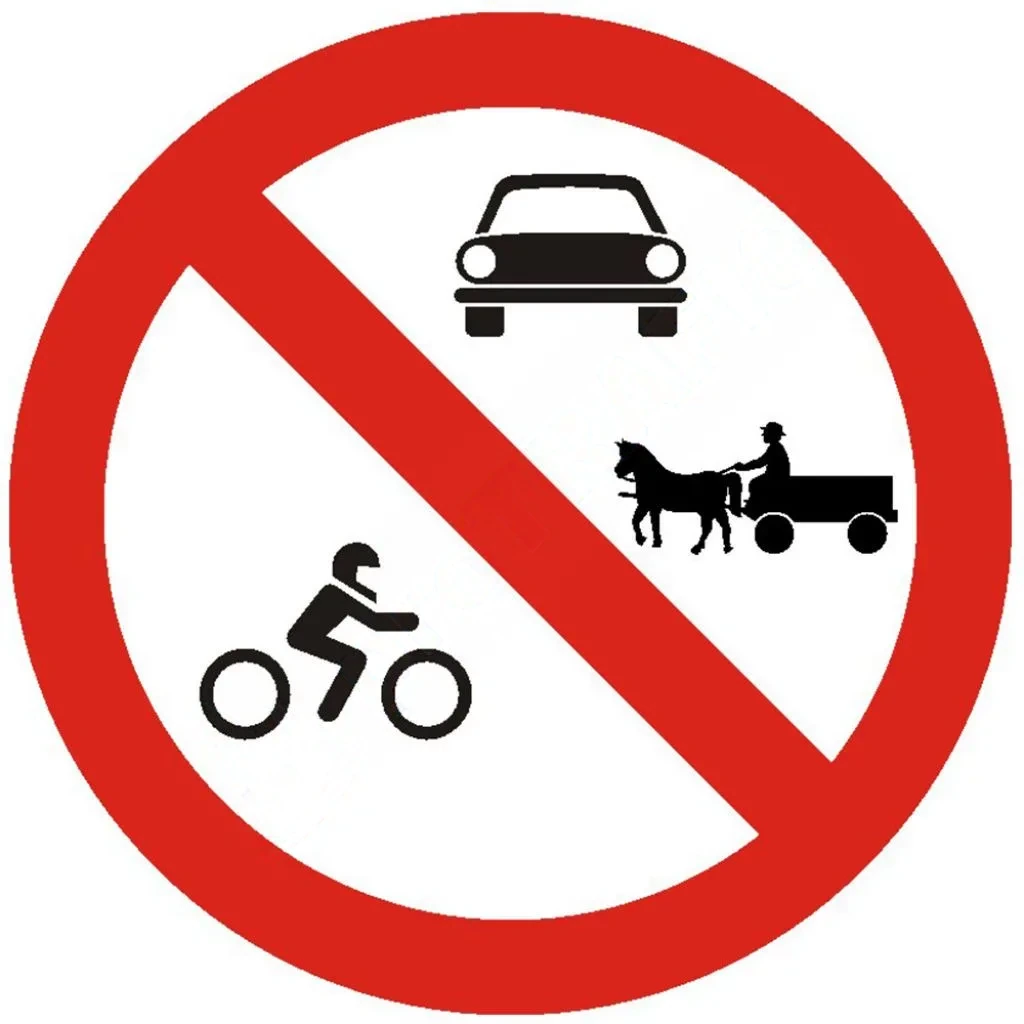
Indicator C1 Forbidden access close a road or entry for vehicles. For example, you use it when exiting a parking lot with a unique meaning. Sign C15 stops access to vehicles and vehicles with animal traction, useful in pedestrian areas. On the other hand, C11 concerns only vehicles with animal traction on fast-traffic roads. So, these group-explained prohibition indicators help you to choose exactly the required restriction.
Restrictions on goods and templates
Indicator C7 Stops access to vehicles intended for the carriage of goods, e.g. in a residential district. Then, C17 limit the height of the vehicles and the value starts from the actual pass gauge. Therefore, you mount it before bridges, tunnels or covered parking lots. A C17 sign placed too close to the obstacle does not leave the driver a place to return. At the same time, industrial facility managers use these signs on internal access routes. For transport undertakings, such prohibition indicators shall briefly clarify the permitted routes.
Dangerous goods and water protection
Indicator C43 prohibits access to vehicles carrying dangerous goods. Instead, C44 refers to substances that can pollute the water. Thus, you meet him near lakes, accumulations or water protection areas. The list of prohibition indicators explained shall continue with the signs controlling the manoeuvres.
Manoeuvring and speed
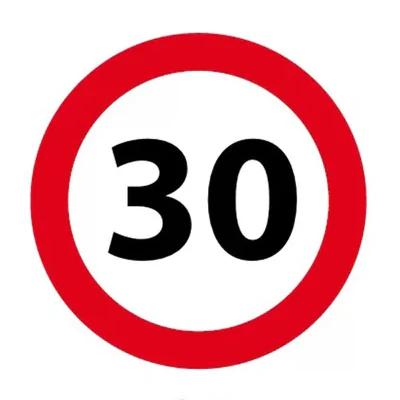
Indicator C24 prohibits return, usually at intersections or narrow roads. Further, the C27 series limits speed, with variations of 20, 40 or 50 km/h. For example, C27 with a limit of 40 km/h often appears at entry into pedestrian areas. However, the speed chosen shall correspond to the signalling project. In short, the limit does not start from preferences, but from traffic analysis.
Special signs
Finally, the C30 Customs indicator announces the customs point and requires the stop. Although it rarely appears, it completes the range for projects near the border. With this sign, our list of group-explained prohibition indicators ends.
Where Prohibition Indicator Companies Need
- Commercial parks, for traffic and access to ramps.
- Logistic warehouses, where trucks and stackers share the route.
- Construction, to limit speed and access to the work area.
- Residential assemblies, with restrictions for heavy vehicles.
- Institutions, where access remains limited to certain categories.
In a private room, however, the owner sets the rules. However, using the same signs as on the public road helps drivers to understand them immediately. Therefore, explained and consistently mounted prohibition indicators reduce discussions with visitors and suppliers.
Format, leaflets and visibility
The size of the sign depends on the type of road and the speed of movement. On fast roads, the driver must see the sign from below, so choose a larger format. Instead, in a parking lot or in an enclosure, the small format usually arrives. Also, the reflective sheet makes the visible sign at night in the light of the lights. However, the foil is used in time, especially in the strong sun. Therefore, check the colors and reflection periodically. With the prohibition indicators explained and maintained, the message remains clear day and night.
Frequent errors in mounting
- Sign hidden from vegetation or other panels.
- Too small height, easy to cover by parked vehicles.
- Contradictive restrictions on the same pillar.
- The absence of an additional panel when the restriction has a schedule.
- Dirty or discolored reflective leaf.
For hourly intervals or exceptions, add Additional panels under the main sign. Also choose supporting pillars with the right height of the place. At the same time, note on a plan of the premises the position of each sign. With correctly explained and orderly mounted prohibition indicators, the message clearly reaches each driver.
Legal framework for prohibition indicators
On public roads, the significance and location of signs results from road legislation. The updated texts can be found on the National legislative portal. The final solution shall be determined after the draft signalling and after the requirements of the road manager. Our guide with the explicit prohibition indicators does not replace this project, but helps you understand it.
Frequently asked questions about prohibition indicators
Can I use the prohibition signs in a private parking lot?
Yes, especially that the standard signs are understood the easiest. However, the rules of application shall be governed by the owner's rules of procedure.
Why is it worth the prohibition indicators explained to the assembly team?
Because the assemblers quickly see the role of every sign. Thus, avoid confusion between close series.
What value do I write on indicator C17?
First, the value starts from the free height measured under the obstacle. Therefore, measure the actual template before ordering.
Choose the right sign from the category Prohibition signs, where you find the series C1, C7, C17, C27 or C44. The Protrafic.ro team helps you to choose and offers you signs of prohibition explained on the understanding, with the role of each one. So the command starts right from the start.