Obligation indicators explained by traffic situations
You will find here binding indicators explained by real situations: intersections, refuges, mountain roads, bicycle tracks or routes for dangerous goods. See what every sign in the D series imposes and how you choose it right for your public road or your home.
In short: blue disc with white symbol, which imposes a direction, a maneuver or a rule, such as chains on snow roads.
Do you need help choosing?
Tell us what you need and we'll send you the offer on the same working day.
With mandatory indicators explained on the situation, you turn a traffic problem into a simple solution: mandatory direction, bypass, minimum speed or winter equipment. Along with the prohibition signs and additional panels, they form a coherent system. Periodically check the visibility, leaf status and vegetation around the signs. For a private facility, use the same standard signs, easy to recognize. Order the appropriate signs in the category Mandatory signs.
When a driver has to follow a particular direction or rule, the sign used comes from the obligation group. Below you find binding indicators explained by concrete traffic situations, not just by codes. Thus, choose the right sign for an intersection, a refuge or a mountain road.
What do you transmit to you?
A sign of obligation says what you have to do, not what you avoid. Usually, it has round shape, blue background and white symbol. Therefore, it immediately differs from the red bordering prohibition signs. In practice, clearly explained obligator indicators eliminate cross-section hesitations. A message without interpretation also reduces the conflicts between vehicles.
Reporting obligation indicators on situations
All examples below come from the category Mandatory signs of the Protrafic.ro store.
Direction of the crossing
Indicator D1 Next Makes the road go on without turns. Instead, D3 Mandatory left and the right-hand version imposes the turn in one direction. For example, you mount them at the exit of a single-sense enclosure. Thus, with mandatory indicators explained and fitted to the doors, trucks no longer try risky manoeuvres.
Obstacles removed
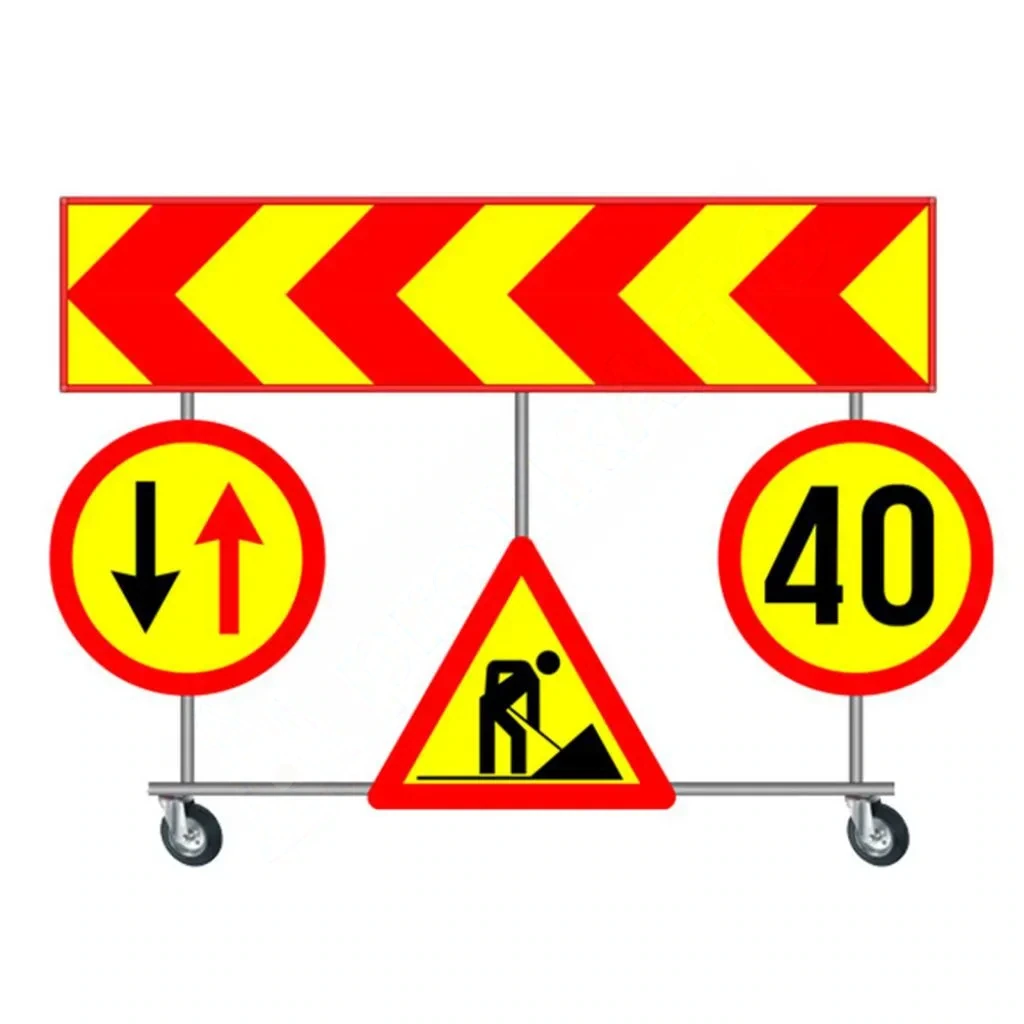
The D5 series shows which side you're missing an obstacle. Version D5 Right Occurrence often appears on pedestrian shelters and on the driving islands. On the other hand, D5 Ocolire left serves on unique senses or at works, where the obstacle requires passing through the left. At this point, correctly explained obligatories prevent confusion between the left and right versions.
Winter conditions
On the mountain roads, D16 Snow chains require the use of chains in the signal sector. At the same time, D16a announces the obligation of winter tyres. Especially on steep slopes, these signs protect the columns from blocking vehicles. The signal shall be clearly marked at the end of the obligation when exiting the sector. For a mountain road manager, the required indicators explained to the intervention team shall be quick assembly at the first snow.
Pedestrians, bicycles and scooters
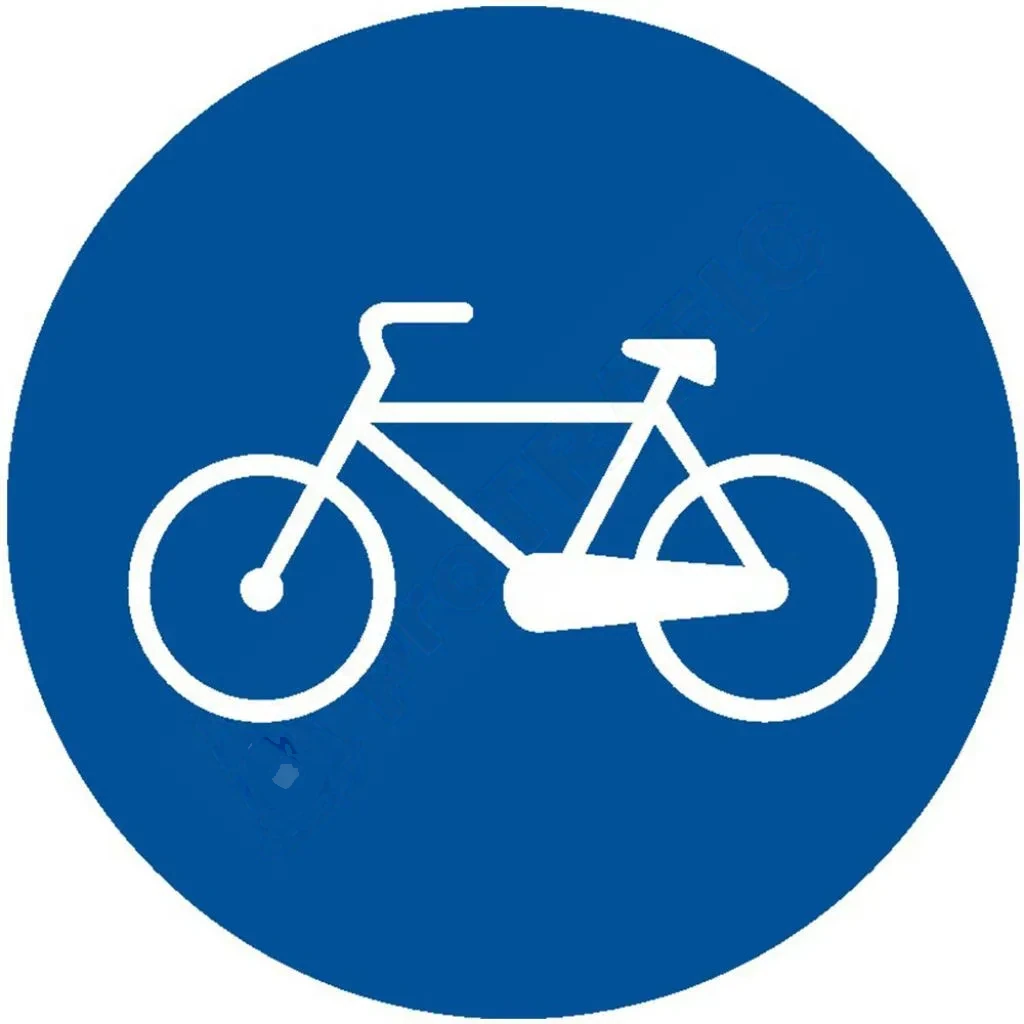
Indicator D11 Road for pedestrians reserves the path for those who walk. In addition, D9 marks the end of the track for bicycles and electric scooters. So pedestrians and cyclists know exactly where their space ends. Also mount the signs so that the parked bicycles do not cover them. For a park or campus, mandatory indicators explained in the internal regulation also help the security, and visitors.
Minimum speed and dangerous goods
Indicator D14 requires a minimum, useful speed on the bands where slow vehicles confuse the flow. On the other hand, D18 and D19 set the mandatory direction for vehicles carrying dangerous goods. Carriers therefore bypass sensitive areas on a previously established route.
Obligation or prohibition: how to choose
Sometimes the same problem is solved by both types of signs. For example, you can block the left turn or you can force the right turn. However, the binding sign sends a positive message, which the driver follows more easily. Instead, prohibition indicators remain the right choice when the restriction concerns only one manoeuvre. With binding indicators explained alongside those of prohibition, the project becomes coherent.
Format and visibility for mandatory signs
A good sign can be seen in time, not just on the pole. Therefore, choose the format after the speed on the road. On the urban streets, the usual format often arrives. Instead, on fast roads, the driver needs a bigger sign, visible earlier. Also, reflective foil matters for night circulation. However, even the best leaf loses its effect if the vegetation covers the sign. So, schedule the cutting of the branches and cleaning the face of the indicator. With well-maintained and explained binding indicators, the message remains clear at any time.
Checklist before ordering
- What manoeuvre does the driver have to do at that point?
- Is the sign seen from a sufficient distance of braking?
- Are there already contradictory signs on the same route?
- Do you need an additional panel for the program or vehicle category?
- Can the existing pillar still support an indicator?
The answers to these questions transforms binding indicators explained in concrete decisions: size, position and number of signs. Then compare the D models in the category. In addition, note for each point the direction from which the vehicles come. For hourly intervals, combine the sign with Additional panels. Thus, your list of explanatory obligatories is directly transformed into a correct command.
Placement and official rules for mandatory indicators
On public roads, the assembly follows the project approved by the road manager. Rules of movement and information for participants in traffic appear and on Romanian Police website. The final solution shall be determined after the project and the requirements of the authorities. In a private facility, they keep the same standard signs, because drivers recognize them instantly. Therefore, the compulsory indicators explained for the premises follow the same logic as those on the road.
Frequently asked questions about mandatory indicators
Where do I mount the D5?
On the refuges, on the driving islands or in front of a gang obstacle. Choose the left or right side of the vehicle.
Are bond indicators used in storage?
Yeah, especially on the internal truck tracks. Thus, the load flow becomes predictable.
Why should I read the mandatory indicators explained before ordering?
Because the differences between D3, D5 or D16 seem small, but change the message. So, you're avoiding a wrong sign on the field.
For your project, choose the models from the category Mandatory signs, of D1 to D19. The Protrafic.ro team helps you choose and check with you if the mandatory indicators explained here match the situation in the field. The signaling thus remains clear and coherent.