Cross-border priority indicators: practical guide B1–B6
When two roads meet, each driver must know from time to time whether to stop, give in or continue. Mount priority indicators in the intersection precisely for this quick decision, both on public roads and in the carousable alleys of parks, campuses or industrial areas.
In short: B3 and B4 mark the priority road, B1 and B2 the secondary road, and B5 and B6 decide to switch to the sectors too narrow for two cars.
Do you need help choosing?
Tell us what you need and we'll send you the offer on the same working day.
A clear intersection begins with a sketch of all directions and signs that do not contradict each other. Then choose between B1 and B2 after visibility, mark the main road with B3 and complete the priority regime with B4. For works, temporary variants B5 and B6 keep order in narrow sectors. Periodically check the sheet and the orientation, so the message remains clear and clear at night. View all models in category Priority indicators and choose the set according to your path.
Mount priority indicators at the intersection when two traffic flows meet and each driver must know who passes first. Basically, these signs replace hesitation with a clear rule. Below you will find the role of each sign in group B, the usual combinations and a few common mistakes.
Signs of priority: what role do they play in traffic
The road code treats priority as an order of passage. Thus, a well-chosen sign tells the driver whether to stop, give in or continue. In addition, the sign reduces decision time, especially at high speeds. Without a sign, the implicit rule remains the right priority, which many apply wrongly.
Therefore, road managers use priority indicators at the intersection and on the internal roads of industrial parks, campuses or large parks. At the same time, the same signs appear on the way out of the private courtyard to a public road.
Series B in short: which transmits each sign
Category range Priority indicators cover the basic signs in this group. Here's what everyone says:
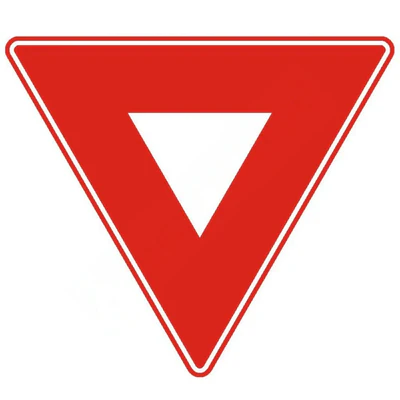
- Indicator B1 Passes Passage obliges the driver to give priority to vehicles on the road into which they enter.
- Sign B2 Stop Asks for complete stop, then surrendering the pass.
- Main road gets sign B3 Road with priority.
- Completion of the priority regime B4 End of road with priority.
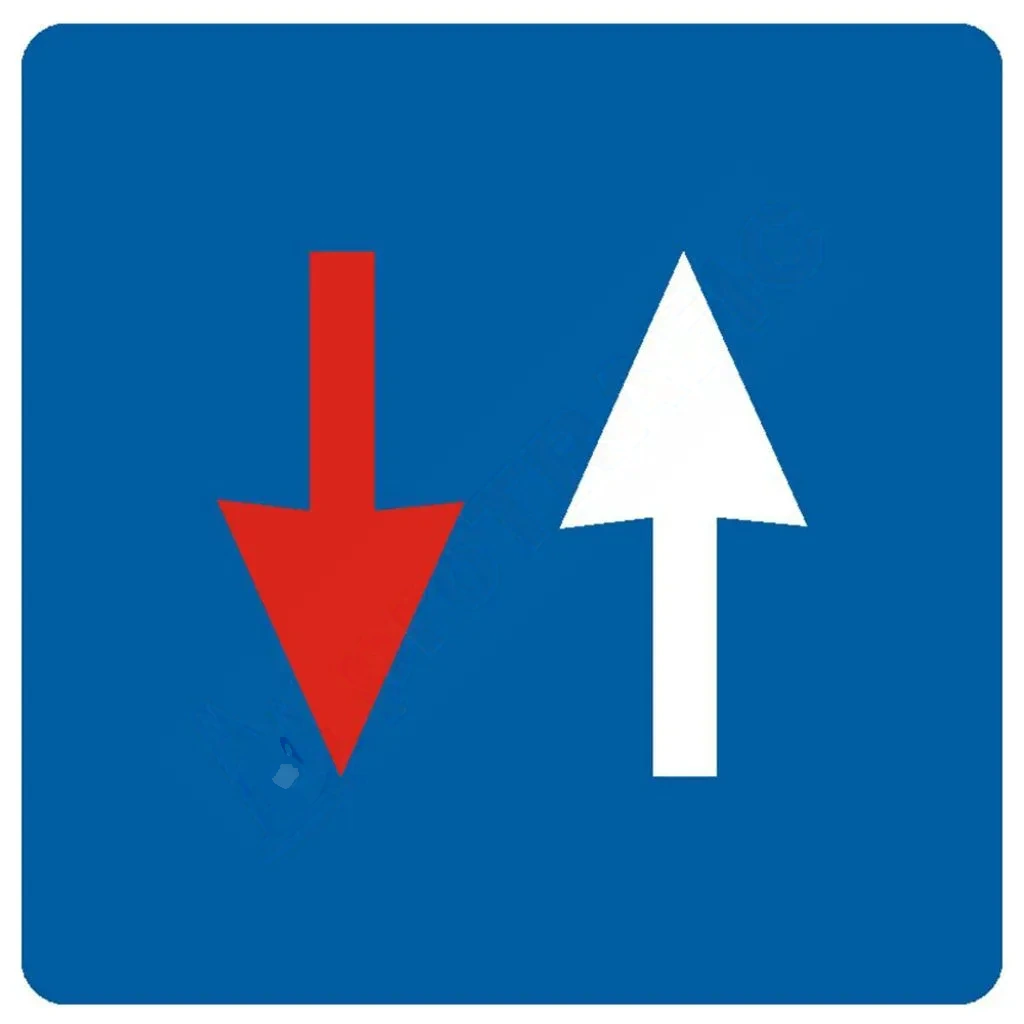
- For narrow sectors, B5 and B6 determine which direction passes first.
Therefore, priority indicators at the intersection such as B1 and B2 are addressed to the secondary road and B3 and B4 to the main road. In other words, the same crossover usually requires signs on both directions.
How to combine priority indicators in the intersection
A classic intersection has a main road and one or more secondary roads. On the main road, the driver sees B3 before crossing. On the secondary roads, instead, chicken B1 or B2. Therefore, priority indicators at the intersection always work in pairs, not isolated.
The choice between B1 and B2 depends on the visibility. If the driver sees the main road well, B1 arrives. However, when buildings, fences or vegetation hide traffic, B2 requires complete shutdown. Then, at the end of the priority portion, B4 announces the change of the rule. Thus, the driver does not feel that he has priority at the next crossing.
Examples of common situations
- Exit from a parking garage to the boulevard: B2 or B1 on exit, after visibility.
- Surgical route in a logistic area: B3 on the main artery and B1 on the lateral alleyways.
- Short deck or single gangway: B5 on one side and B6 on the other.
- Campus or residential complex: priority indicators at each intersection of the carousable alleys.
B5 and B6 for narrow sectors and works
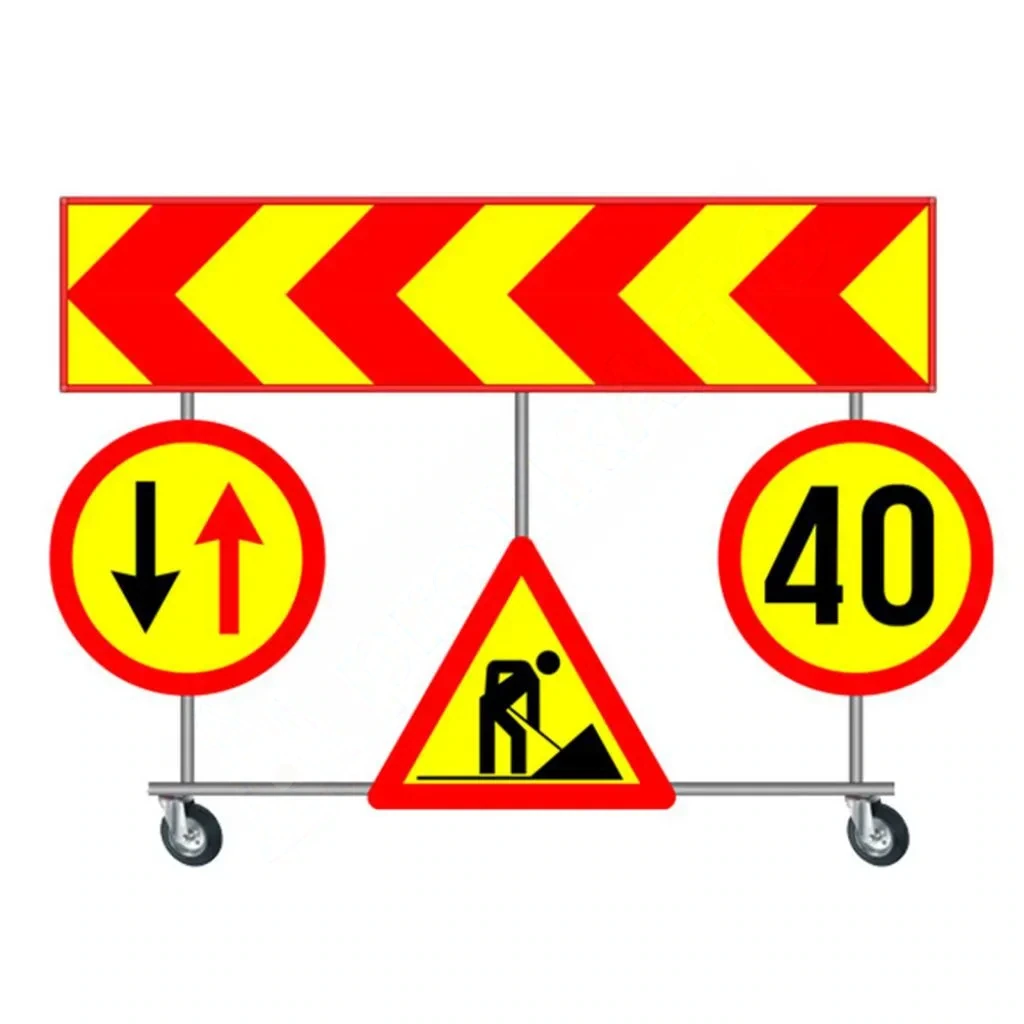
Signs B5 and B6 do not have the intersections themselves, but they solve a similar problem. They determine who passes first where two vehicles do not simultaneously fit in. For example, you find them at narrow bridges, on the streets with cars parked on both sides or in work areas.
For works, the offer includes temporary options such as temporary sign B5 with 800 mm diameter and class 2 sheets. In addition, you also find temporary B6, still with class 2 leaflets. Then combine them with the rest of the signs in the category temporary indicators. However, on a yard next to a crossroads, you check that priority indicators at the intersection do not contradict temporary signs.
Setting of priority marks: height and visibility
A fair sign, but hidden, does not help anyone. First, check that the vegetation, commercials or parked cars do not cover the face of the sign. Then choose a stable support from the category positions for indicators and the clamps suitable for the diameter. In addition, you are directing the sign to the driver to whom it is addressed, not to the neighbor's road.
Distanța față de intersecție și înălțimea de montaj țin de normele de semnalizare rutieră. De aceea, pe drumurile publice decizia finală aparține administratorului drumului și autorităților competente, pe baza unui proiect. Textele oficiale le găsești pe National legislative portal. On a private road, however, it is worth following the same logic, because drivers recognise priority indicators across the intersection after the same rules everywhere.
Sheet on the road marked as priority
At night, the sign communicates only through reflective leaflets. That's why you periodically check if the foil has bleached or scratched. In addition, clean the face of the dust, mud and sticky posters. At the same time, tighten the clamps after the strong wind, as priority indicators in the cross-section rotated on the pillar send the message to the wrong direction. Therefore, a few minutes of visual control keeps the effectiveness of long-term signaling.
Mistakes cancelling the role of signs
- Contradictive signs, such as B3 on both roads.
- B4's absence at the end of the priority road, so it confuses at the next intersection.
- Discolored leaf, which does not turn the light back on at night.
- Mounting too low or behind an obstacle.
- Copying the signs from another road, without analyzing the real visibility.
So, before ordering priority indicators at the intersection, draw a simple sketch with all directions. So, you see right away where there's a sign missing and where you have one extra.
Frequently Asked Questions about Road Signs of Priority
When do I choose B2 instead of B1?
Choose B2 when visibility to the main road remains low. In this case, full stop gives the driver time to check traffic.
Can I use priority indicators at the intersection on a private road?
Yeah. On the premises, the standard signs help drivers to quickly recognize the rule. However, if the road also has public access, the authorities intervene.
What is the difference between permanent B5 and temporary B5?
The message remains the same. Instead, the temporary version serves the works and you only use it during the intervention.
How often do I check the signs?
We recommend that you periodically check priority indicators at the intersection, especially after storms or works. A twisted or dirty sign transmits a wrong message.
Find all models in category Priority indicators. If you don't know which combination fits, Protrafic.ro helps you choose, starting from the sketch of your intersection. Practically, with priority indicators in the well-chosen intersection, each driver knows from the first who passes.