Car traffic organisation: guide for private parking and roads
The organisation of the car traffic decides whether a parking lot, a logistics court or an access road works fluently or becomes a place of incidents. The pillars, separators, mirrors and speed limiters work together only if you choose them after a clear plan, thought before mounting.
In short: the organisation of car traffic combines band delimitation, speed reduction, visibility at night and mirrors for dead angles.
Do you need help choosing?
Tell us what you need and we'll send you the offer on the same working day.
A well thought out route reduces sudden maneuvers and conflicts between drivers and pedestrians. It starts with band delineation, adds limiters where people pass and completes with reflective elements for the night. The mirrors solve the corners without visibility, and the moving elements help you with works and events. For the organisation of road traffic, first ask for the opinion of the authorities. See all solutions in category Driving car traffic.
Organising car traffic in a parking lot, on a private road or in an industrial yard starts from a few simple questions. Where do cars circulate, where do they park and where do people go? Thus, the answers determine which equipment you choose and in what order you assemble them. In this guide we explain, at a time, the role of each family of products in the catalogue Protrafic.ro.
What is the organisation of car traffic in practice?
Pe scurt, organizarea traficului auto înseamnă să îi arăți clar fiecărui șofer pe unde merge și cât de repede. Mai întâi, delimitezi benzile și sensurile. Apoi, reduci viteza acolo unde apar pietoni sau manevre. În final, compensezi zonele fără vizibilitate cu oglinzi și elemente reflectorizante. Totuși, pe un drum public, soluția finală se stabilește după proiect și cu acordul autorităților competente.
Families of products for driving car traffic
Category Driving car traffic group 13 subcategories. Each solves a different problem in the organization of the car traffic, so it is worth looking at them as a tool kit:
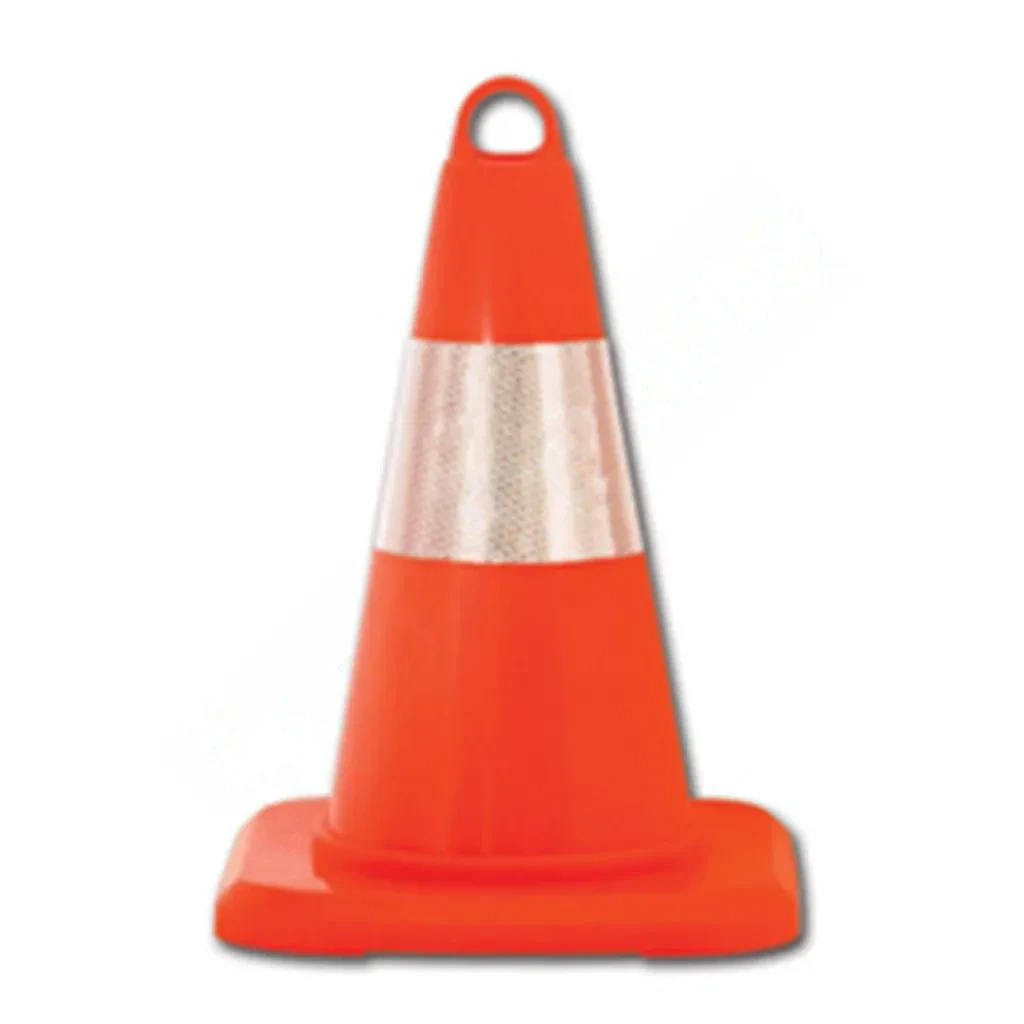
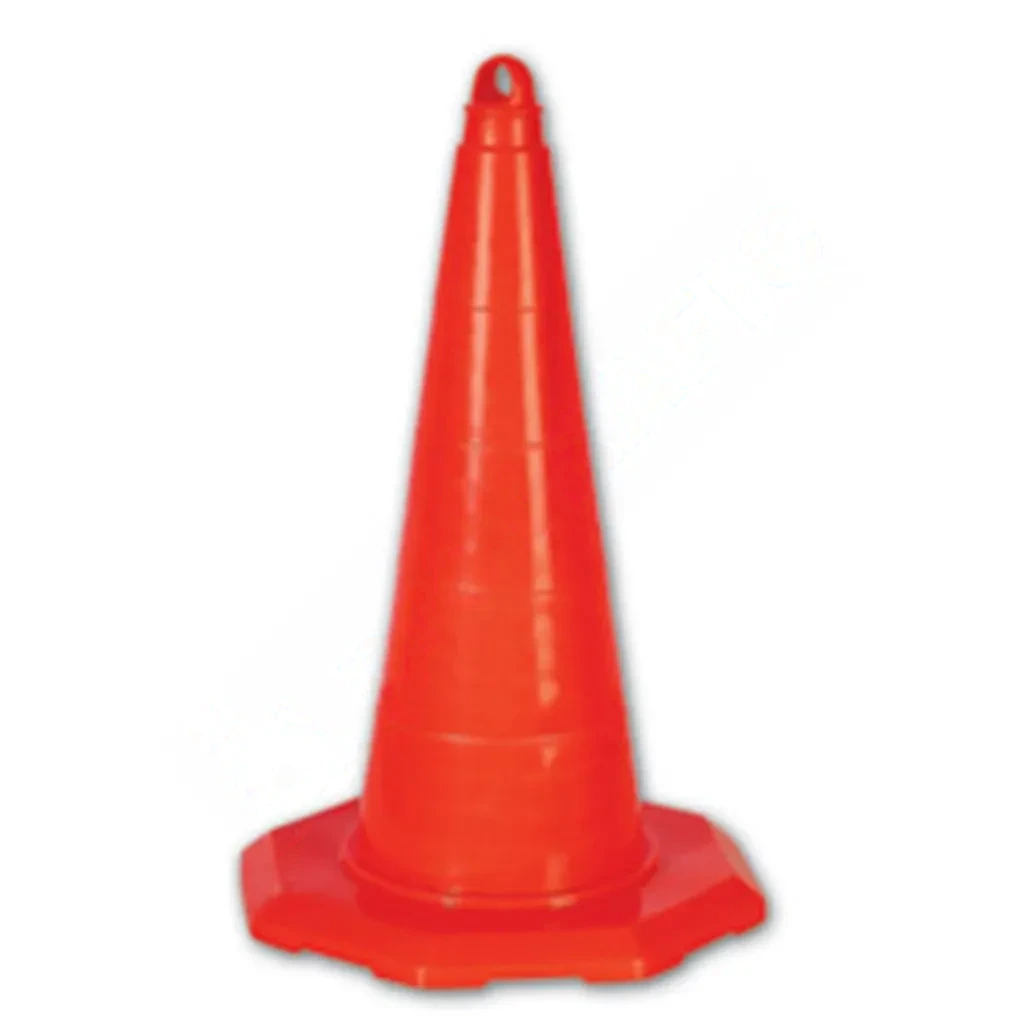
- Fixed delimitation: Plastic poles, Rubber posts and Metal poles.
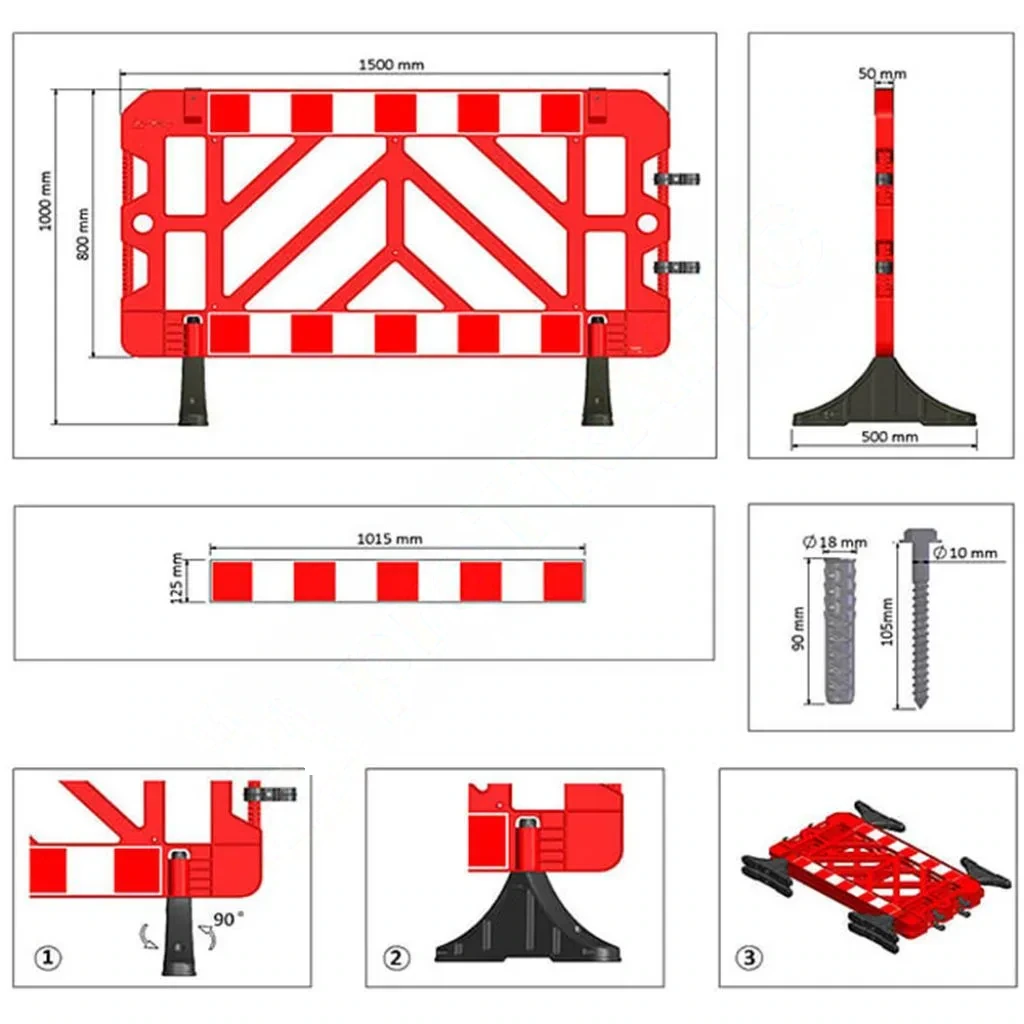
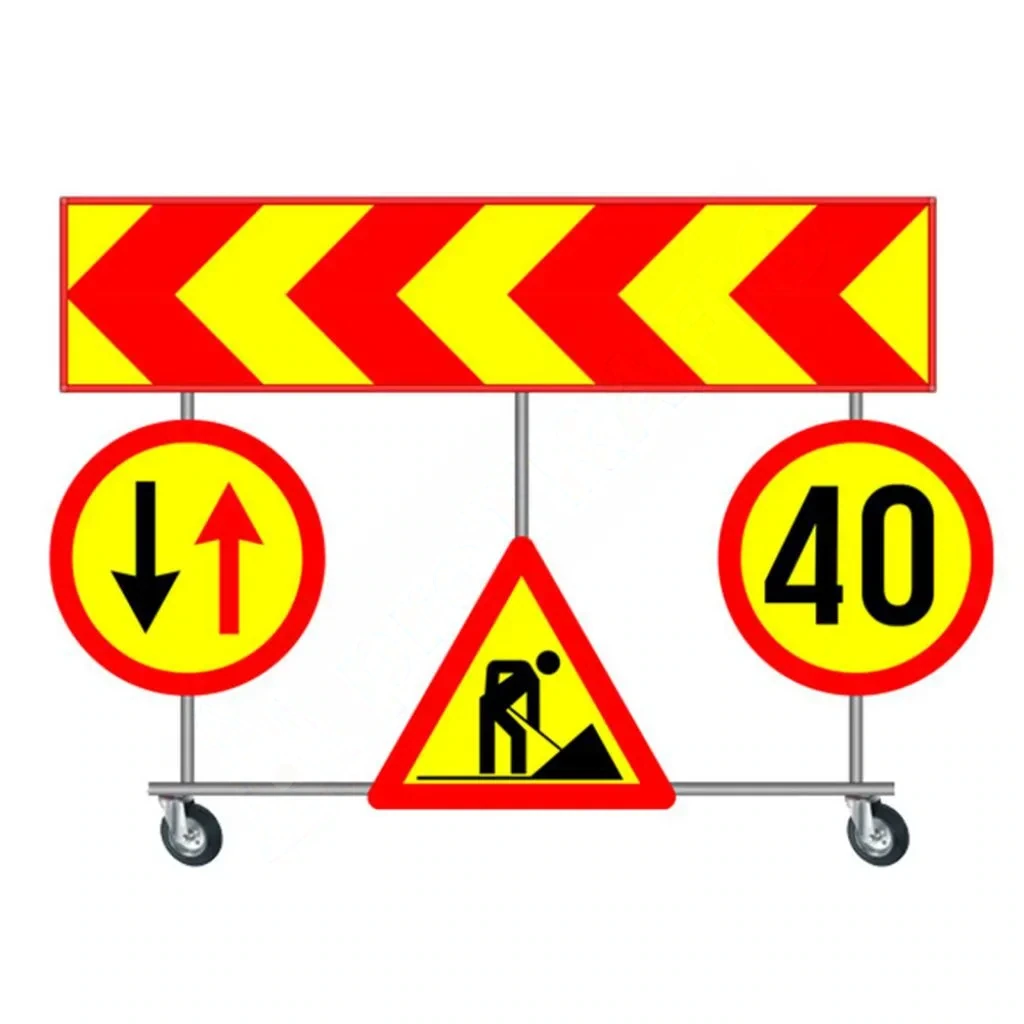
- Temporary element: mobile posts and Legible parapets.
- Band separation: Sensor separators and Anti-orbital panels.
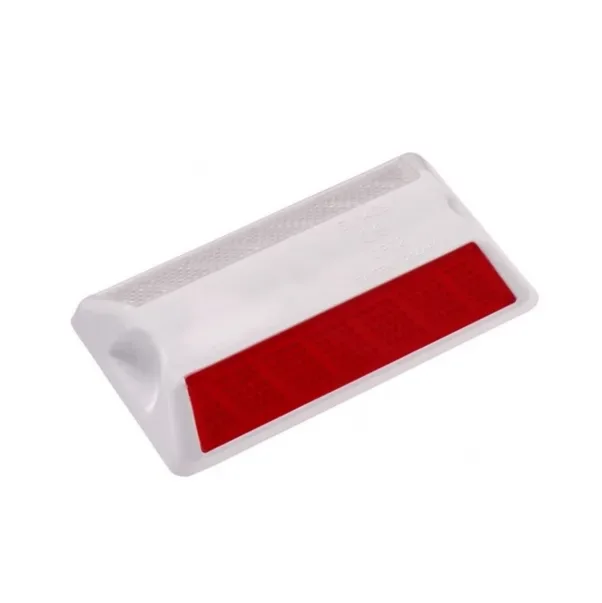
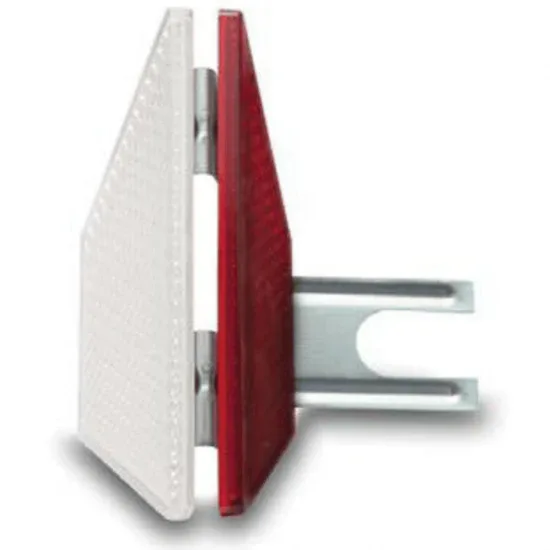
- Night view: Reflective buttons, Reflective retro-reflectors and solar markers.
- Visual control: road mirrors and monitoring mirrors.
- Speed calming: Speed bumps.
Fixed or mobile delineation in driving car traffic?
The choice depends primarily on the duration of the intervention. In a permanent parking lot, the organization of car traffic needs poles that resist repeated hits. For example, 750 mm flexible TPE parking pole with integrated thread, Mark the colors clearly. Instead, at an event or a short work, you need elements that you move without tools. Here he goes, for example, 1100 mm mobile pole with 6.5 kg base or the 1.20 m stackable model with reflective strips.
Speed: where and how to reduce it
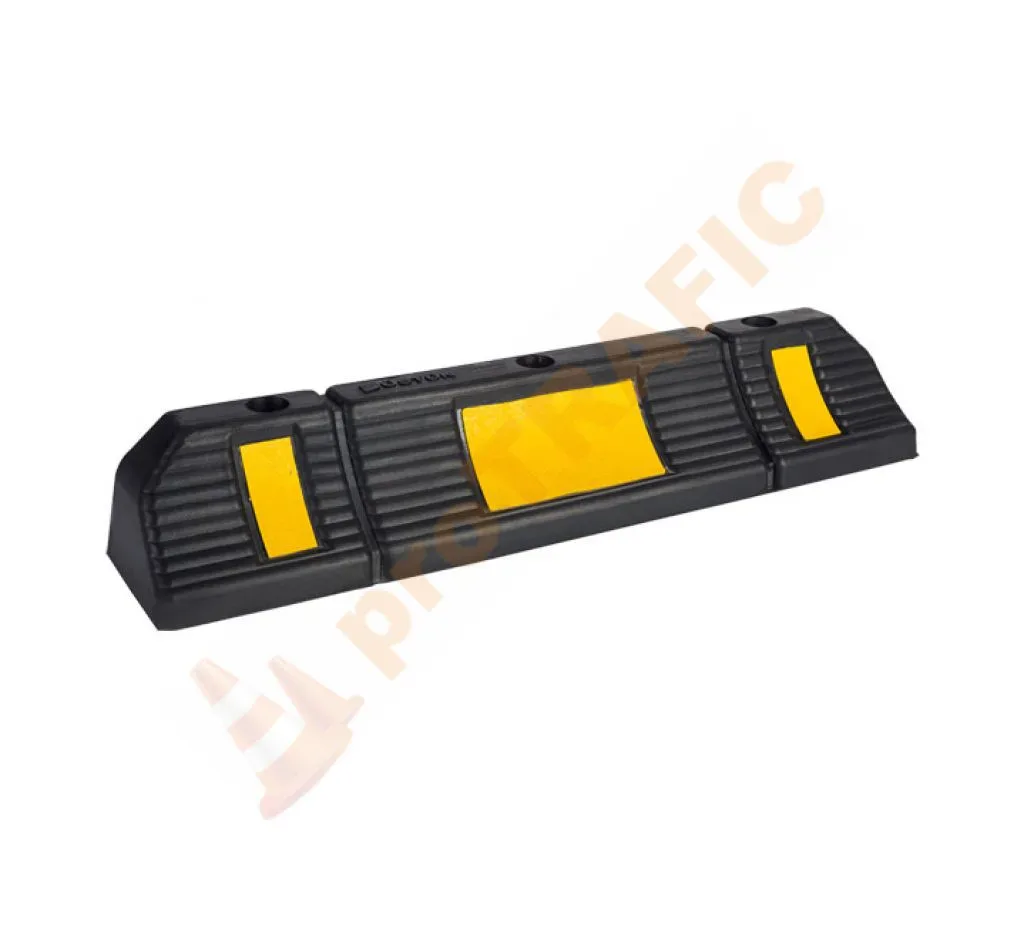
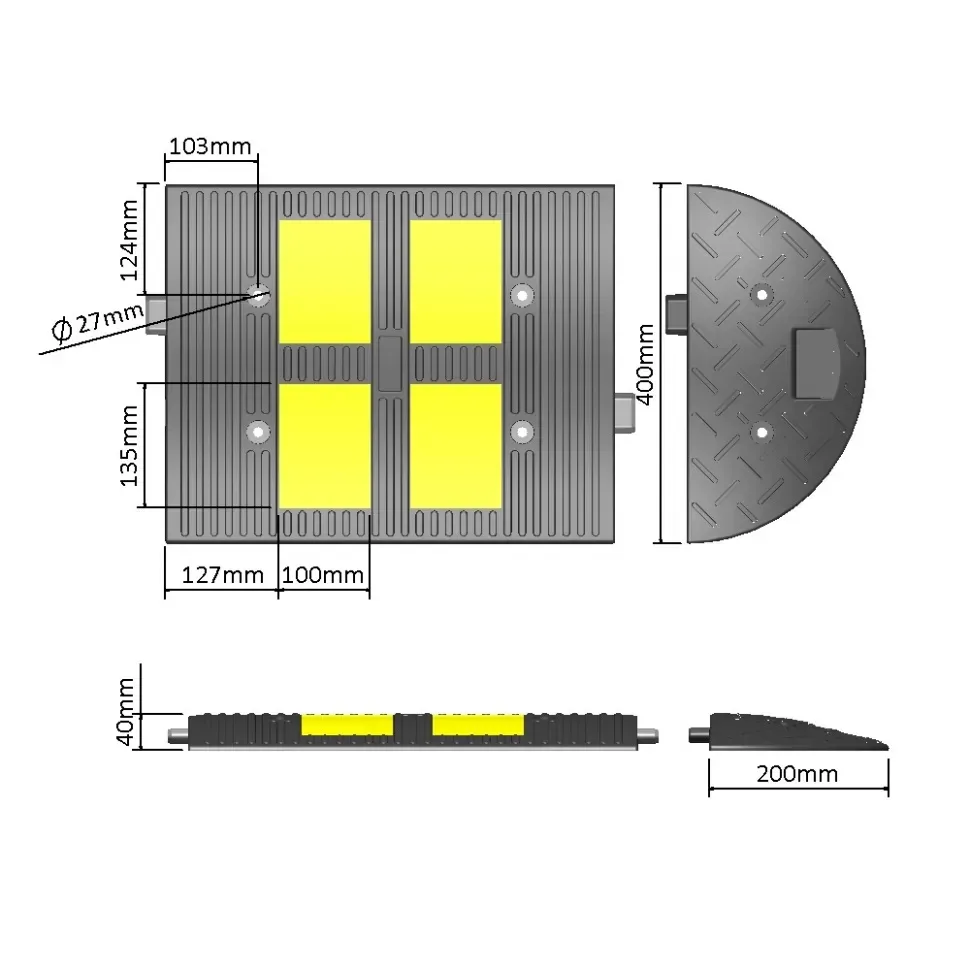
The high speed remains, in particular, the main risk in parking lots and residential alleys. Therefore, the organisation of car traffic almost always includes a limiter. At the same time, the dedicated subcategory has 25 rubber and plastic products in several dimensions. For example, rubber limiter 500 x 400 x 40 mm fits in the alleys where the cars pass slowly. For pedestrian crossing areas, you also find a Overlifted pedestrian passage of recycled PVC, with reflective sheets.
What to check before mounting
- The height of the threshold, reported at the speed you're tracking.
- Type of surface, i.e. asphalt, concrete or pavement.
- Water dripping by the threshold, so that no bales appear.
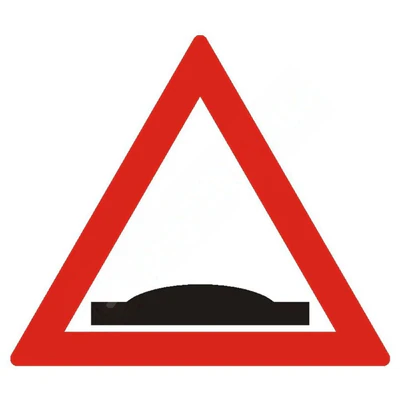
- The presence of a warning signal before de-alignment.
In other words, a limiter without signal complicates the organization of car traffic instead of simplifying it.
Separation of senses and protection in blindness
On roads with two close senses, drivers need a physical line, not just a painted marking. Thus, the rubber separators, with 450 or 750 mm pillars, discourage the passage over the band. On the highways, however, the situation differs, because the main problem becomes light from the headlamps on the opposite direction. There, the organisation of car traffic uses anti-orbiting beacons caught on the parapets in the mid-zone. In addition, the manufacturer makes them from high density polyethylene, with grip for concrete or metal parapet.
The organisation of the car movement at night
However, a clear day path may get confused after sunset. Therefore, it is worth completing the markings with elements that reflect light. Thus, reflective buttons mark the edges of the band, and retro-reflectors are caught on concrete or metal parapets. In addition, solar markers, such as Solar Road Button, emits own light with LED. Therefore, the organisation of car traffic remains legible and where public lighting is missing.
Mirrors, the extra eye at intersections
In particular, exits from the courtyards, underground ramps and hall corners hide approaching vehicles. In this case, a convex mirror shows you what you don't see directly. For outdoors, the range includes diameters of 450, 600, 800 and 900 mm, plus rectangular models. For example, 800 mm road mirror cover a wide intersection. For indoors, on the other hand, 90-degree or 180-degree surveillance mirrors follow the colors in the storage rooms. Therefore, the organisation of car traffic also takes into account dead angles, not just bands.
Frequent errors in the organisation of car traffic
- Too many different elements on a short route that misleads drivers.
- Rigid pillars in places where more flexible pillars would work.
- Limiters without warning signal.
- Lack of reflective elements at night.
- Mirrors at a height or at a wrong angle.
However, these errors have a common cause, that is, the lack of a plan drawn up before purchase. For public roads, signalling rules appear in road legislation, which you find on National legislative portal. Therefore, on the public road, the organisation of the car traffic is only done after the project and with the necessary opinions.
Frequently Asked Questions About Driving Car Traffic
Can I install flexible poles in a private parking lot on my own?
Yes, in most cases. Threaded models are usually caught with concrete or asphalt anchors. However, it checks the whole regulation, because the organisation of car traffic in the common parking lots is the administrator.
What do I choose between a leasable parapet and a mobile pole?
The leasable parapet, usually filled with water or sand, firmly delineates a working area. Instead, the mobile pole only marks the path and moves quickly.
Why does the color of the pillars matter?
The orange and reflective bands attract attention faster. On the other hand, black matches in parking lots where the organisation of car traffic also takes into account aesthetics.
Does the organisation of the car traffic demand and indicators?
Yeah, almost always. The physical equipment guides the vehicles and the indicators explain the rule. So, together, they make the predictable route for any driver.
If you prepare a parking lot, a storage yard or an access road, start from the category Driving car traffic. The Protrafic.ro team helps you choose the right combination of pillars, separators, mirrors and limiters to organize the car traffic in your space.