Parking corner protection: how you protect walls and machines
A corner guard for parking amortizes the slight blows between cars and pillars, walls or ramp corners. The rubber breaks down to contact and protects both the bodywork and the building. Find out what types exist, where you mount them and how you maintain them for a lasting effect.
In short: the corner protects the muchia, the rubber panel protects the right walls, and the assembly at the height of the car bar makes all the difference.
Do you need help choosing?
Tell us what you need and we'll send you the offer on the same working day.
A corner protection for rubber parking reduces the scratches on the body and the heel on the pillars. The corners cover the edges, and the rubber panels protect the walls where the doors open. Mounted to the height of the bar and regularly cleaned, they remain efficient in parking lots, garages and halls. In addition, a rubber panel on the wall saves the doors from hits at each opening. Choose the right products from the category Tilting and rubber protection.
A corner guard for parking seems a small detail, but often saves both the bar of the car and the plaster. The corners of pillars and walls appear exactly where the drivers turn tightly. Therefore, scratches and scallops gather quickly, especially in underground parking. In addition, repeated wall repairs cost time and disturb space users.
Why do the hits occur in the corner of the parking lot
Modern parking lots use every square metre to the fullest. Thus, the ramps, colors and places next to the pillars remain narrow. On the other hand, drivers don't always see the corner behind the car at the back maneuver. The weak light in the basements also reduces the perception of distance. So, a corner guard for parking precisely cushions small contacts that otherwise would leave traces.
What rubber offers for other materials
The tire absorbs part of the impact energy instead of transmitting it further. Therefore, the car protection bar suffers less from easy contact. Instead, an unprotected concrete corner does not yield at all. At the same time, the rubber does not chip like paint and does not rust like an unprotected metal profile. For these reasons, a corner protection for rubber parking remains a practical choice for spaces with dense manoeuvres.
However, the tyre does not stop a vehicle which strikes at speed. Its role remains to amortize slow manoeuvres, not safety barriers. For higher risk areas, complete protection with stoppers for the car or with Rubber posts.
Types of corner protection for parking
Category Tilting and rubber protection find four products with different roles. Here's how you choose a corner protection for parking between them:
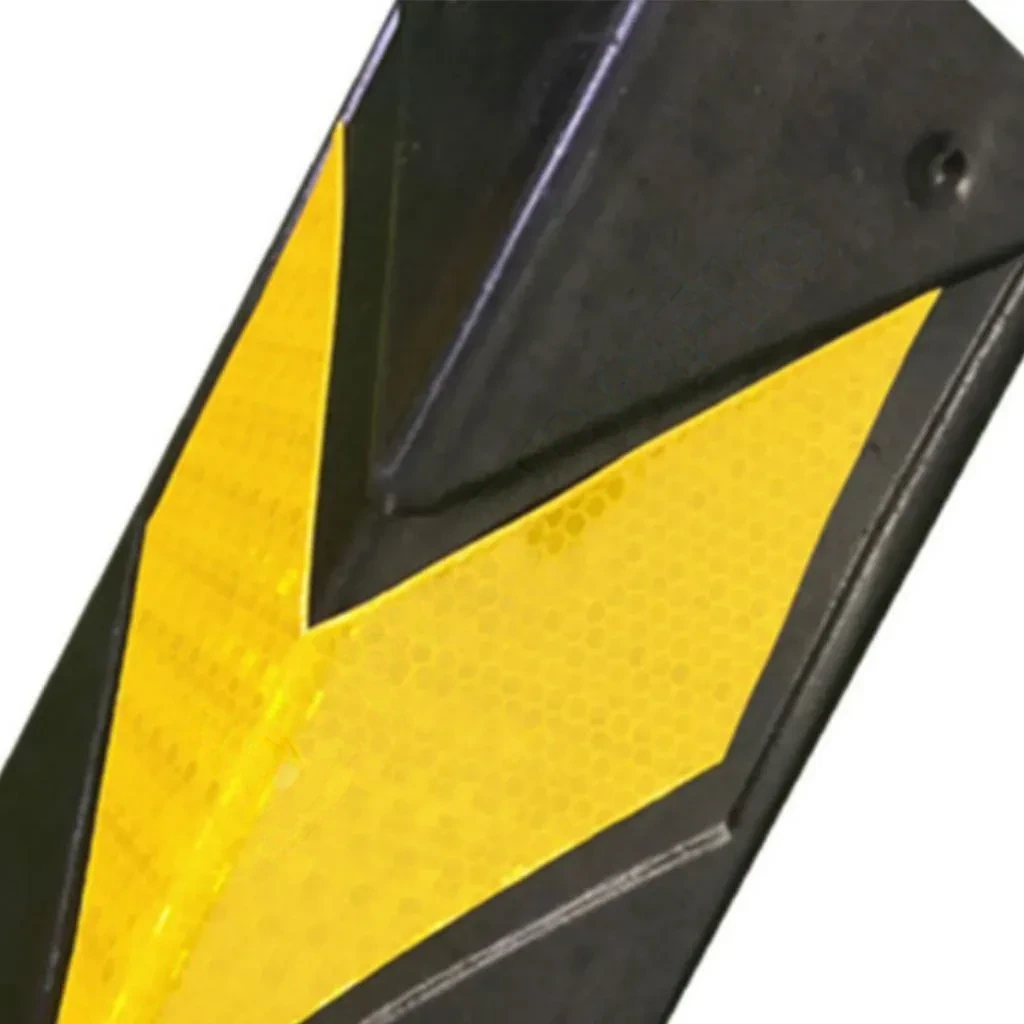
- Rubber corner for parking wall Covers the muzzle of the pillars and walls of public parking lots.
- For the garage at home there is rubber corner for the garage wall.
- Garage protection handlebar Addresses residential garages and technical spaces.
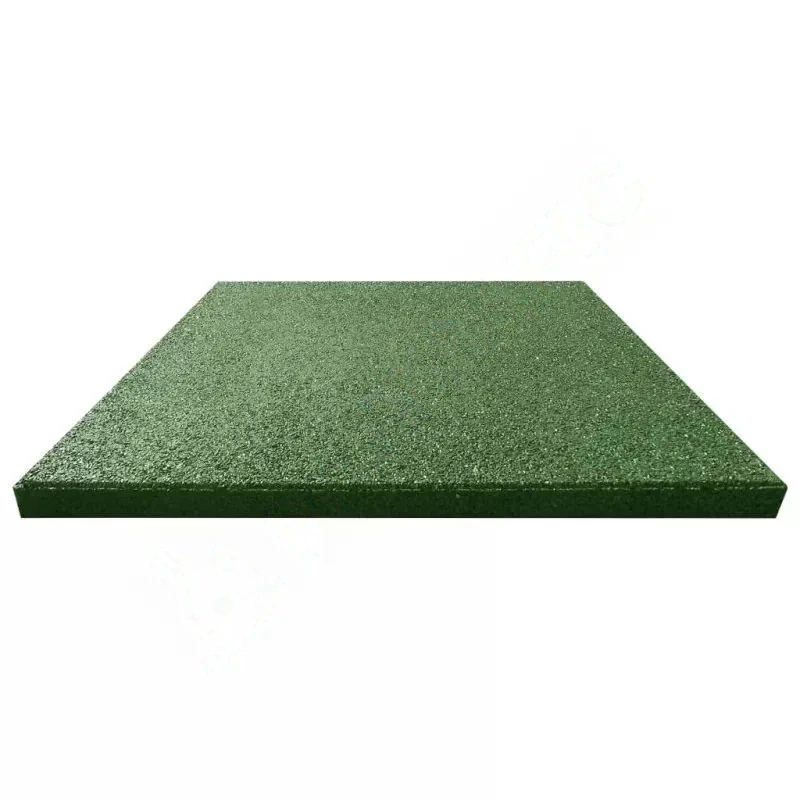
- Right surfaces receive rubber wall protection panel, useful where door touches wall.
In other words, the corner defends the mutt, and the panel defends the flat surface. Thus, a corner guard for full parking often combines both solutions on the same pillar.
Where you mount a rubber protection for corners
- On the pillars next to the parking spaces, at the height of the protection bars.
- At the ends of the access ramps, where the drivers turn closely.
- In the right of the doors and gates in the garage.
- Next to the stairwells, where pedestrians and cars meet.
First, see where paint marks already appear on the walls. There, a corner guard for the parking lot brings the fastest benefit. Then extend the protection to nearby corners, with the same logic.
How do you feel about it?
Number of pillars and corners exposed on each level of the parking lot. Then, note which of them already have traces of impact. For example, a two - turn ramp usually has multiple exposed mucosa. Therefore, it prioritizes the corners with tracks and those of turns. In this way, the corner protection budget for the parking lot goes first where the risk increases.
In addition to the pillars, note the walls from the narrow parking spaces. There, the gates touch the wall at almost every opening. At the same time, keep a list of protected positions to easily check their condition at each inspection. Therefore, a corner guard for parking on the slopes goes well alongside the rubber panel for the wall.
Step-by-step assembly
The preparation of the surface matters more than it seems. For example, the dust and cold tincture weaken the catch over time. Therefore, clean and dry the area well before assembly.
- Measure the height at which the bar of the car touches the corner.
- Mark the positions of the fixing holes on the wall.
- Use suitable dibs for concrete or brick.
- He tightens the screws firmly, but without distorting the tire.
At the same time, check after a few weeks if the fixation has remained firm. A corner guard for a weak parking lot can be rotated and loses its role.
Corner protection for parking in halls and storage
Not just the cars hit the corners. In the halls, pallet trucks and stackers circulate as close to the pillars and shelves. Thus, a corner guard for the parking lot finds its utility also in the loading areas. On the other hand, there vehicles have large masses, so rubber depreciation only helps in easy contacts. General guides on safe movement at work find at European Agency for Safety and Health at Work.
Visibility and maintenance
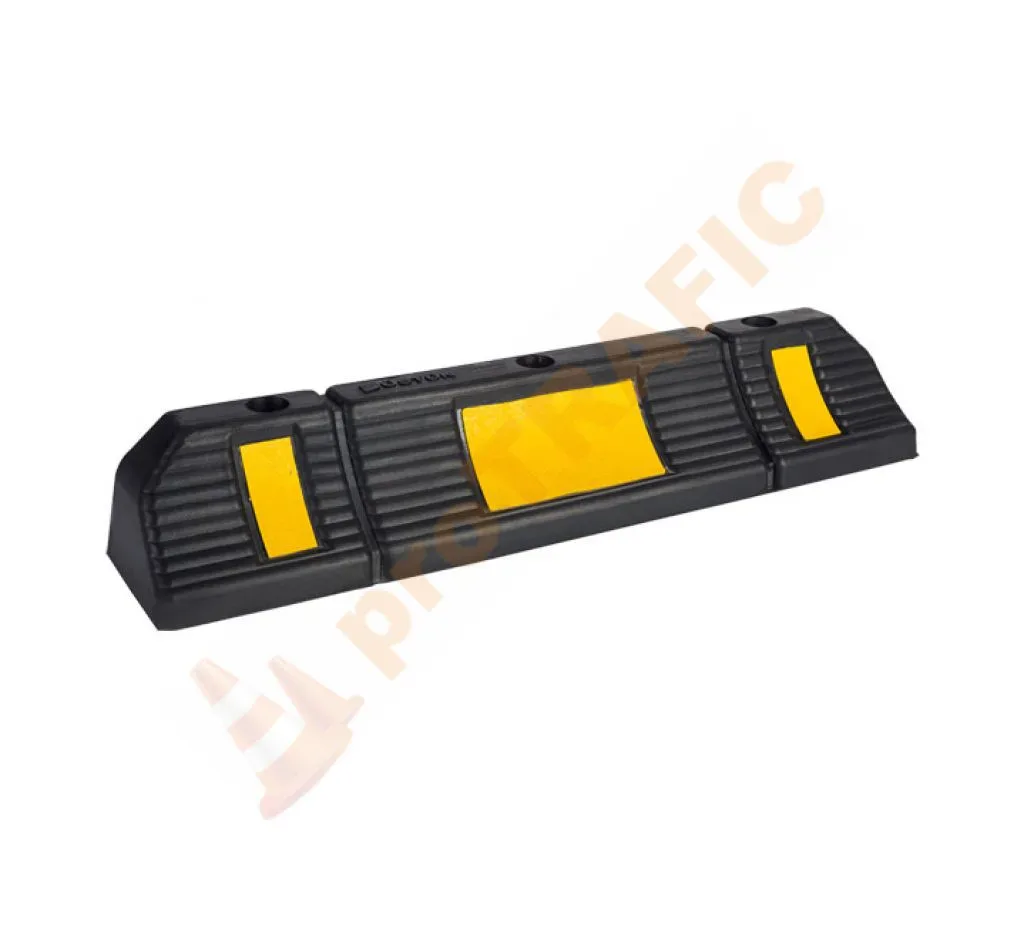
Choose, as far as possible, protections in contrasting colors, such as yellow with black. Thus, the driver observes the obstacle before contact. However, dust and mud blur the contrast over time. That's why it washes the corners periodically, especially in winter, when the wheels bring snow and salt. In addition, it replaces broken parts because a corner guard for the cracked parking lot no longer amortizes uniformly.
Frequently asked questions: corner guard for parking
Can I mount a rubber corner for parking by myself?
Yes, the assembly only requires the right crankshaft, dibs and bolts. However, on the poles with buried installations, check the tracks before holes.
What do I choose for a garage?
For a residential garage, the garage corner and wall panel usually cover the exposed areas. Thus, the same corner protection for parking works well and at home.
The corner replaces a wheel stopper?
No, the two work together. The stopter limits the wheel stroke, and the corner dampens the contact with the wall.
What do I do if the wall already has traces?
Clean and fix the surface first. Then mount the corner, so new tracks don't show up.
In conclusion, a corner protection for the parking lot mounted on time reduces repairs and saves drivers from discomfort. See all solutions in category Tilting and rubber protection, and Protrafic.ro helps you choose the right products for your space.