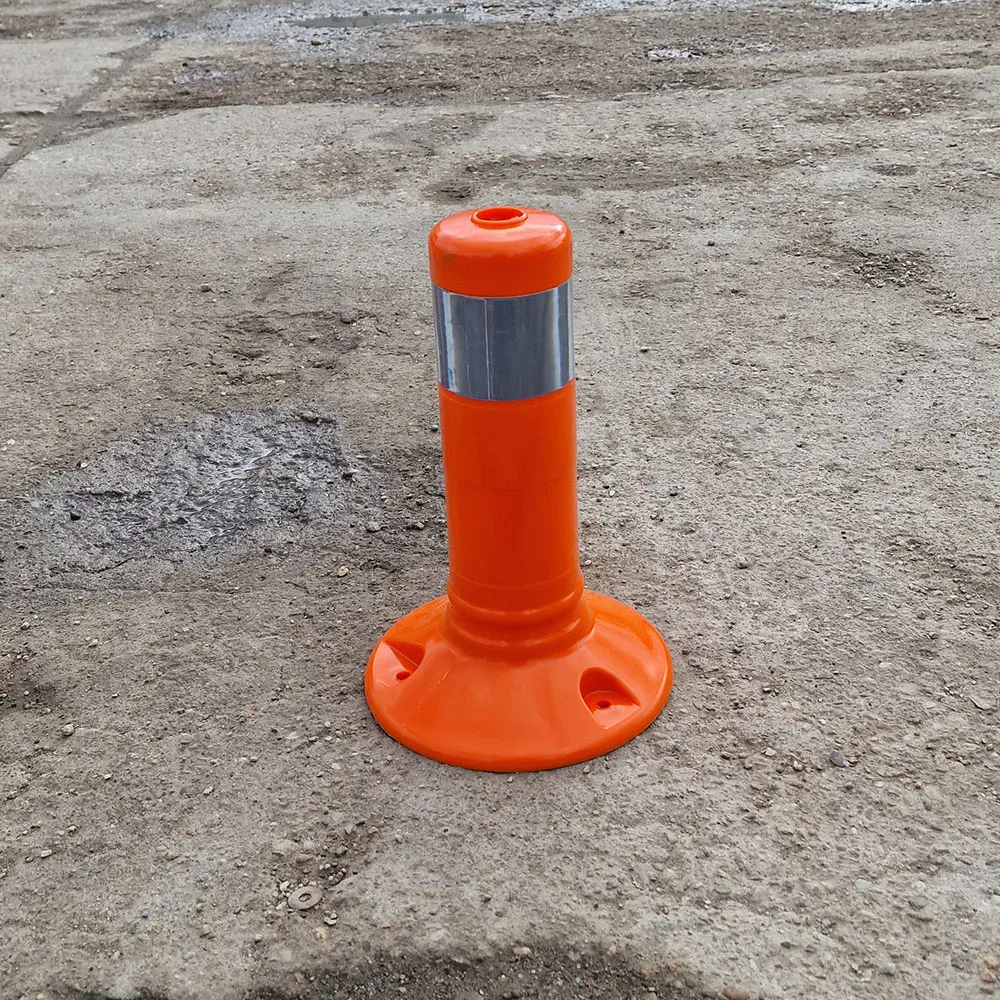
Ornamental footrest for the sidewalk: guide for choice and assembly
An ornamental sidewalk pillar stops parking on the pedestrian area and, at the same time, looks good next to buildings, shops or alleys. The right choice depends on height, material and fixation. In the guide below you find the practical criteria for each situation.
In short: choose height after protected area, material after traffic and fixing after support, then check visibility at night.
Do you need help choosing?
Tell us what you need and we'll send you the offer on the same working day.
An ornamental pillar for sidewalk chosen after height, material and support brings order to the pedestrian area, protects the faces and guides pedestrians to the entrances. The plastic models with pipe show discreetly next to the buildings, and the rubber ones better support the hits in the parking lots. Plan distances, check local rules and add chains where you need continuous delineation. Choose the right model from the category ornamental pillars.
An ornamental pillar for the sidewalk has a simple role: it keeps cars away from pedestrian space. At the same time, he completes the appearance of the street, the court or the entrance into a building. Therefore, his choice holds both safety and aesthetics. Next, we explain which variants exist, how you compare them and what mistakes appear often at the assembly.
What makes, concrete, an ornamental pillar for the sidewalk
First, the pillar creates a physical barrier between roadway and pedestrian area. The driver sees the limit and no longer climbs the wheels on the edge. In addition, a row of pillars guides pedestrians to entrances and passages. Also, the pillars protect windows, facades and urban furniture from the wrong maneuvers.
- Delimit parking places to the pedestrian area.
- Protects the alleys and accesses in buildings.
- Separate the bike track from the car traffic.
Thus, an ornamental pillar for the sidewalk solves a problem of order, not just one of appearance.
Where a decorative delimiting pillar fits
The first place where the need for pillars appears remains the sidewalk in front of the shops. There, drivers often stop "just a minute and block the passage. Also, the alleys between the blocks need protection, especially near the playgrounds. In addition, entrances to office buildings receive daily couriers and delivery machines. On the other hand, markets and historic areas demand a neat look, not just a barrier. Therefore, in all these places, an ornamental pillar for the sidewalk reconciles order with the image of the area.
Materials: plastic with pipe, rubber or metal
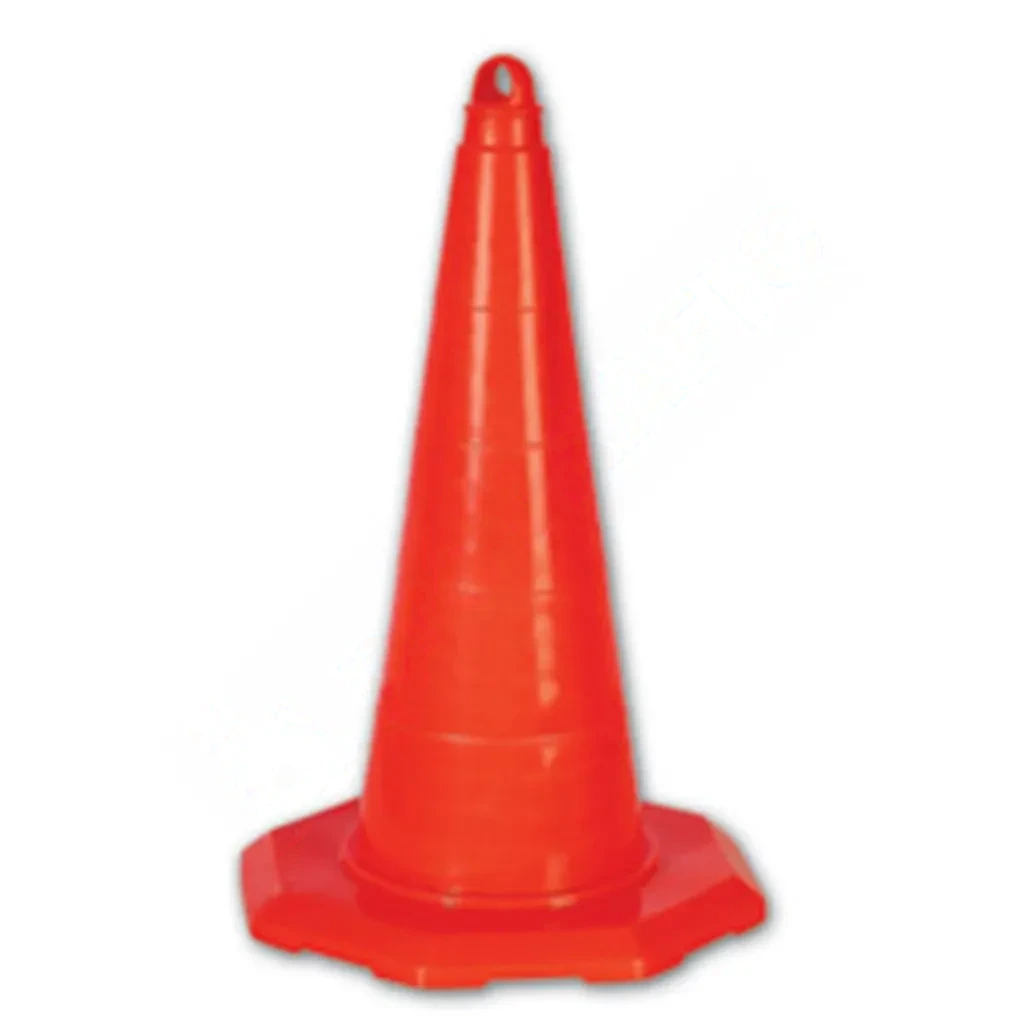
Pe Protrafic.ro, range of ornamental pillars includes plastic and rubber models in several heights. For example, 700 mm plastic ornamental pole with pipe combines an easy body with a metal pipe inside. Instead, the rubber models give in to impact and come back, so they reduce the damage to the car. However, the tire looks more technical, so we often choose it for parking lots and company courts.
For a facade or market, an ornamental pillar for plastic pipe sidewalk is integrated more discreetly. On the other hand, the metal remains the classic option for historic centers, with a more difficult appearance.
What height do you choose for an ornamental sidewalk pillar?
The height depends on what you want to stop and who's running around the pillar. Short models, 300–450 mm, mark a limit, but a hasty driver can ignore them. Then, the 700 mm height provides a good balance between visibility and appearance. For example, restriction pole 700 mm with heel easily attach to a flat surface. In the end, 1000 mm models can be seen from a distance, even from the cabin of a van.
Therefore, for a commercial street, an ornamental sidewalk pillar of about 700 mm covers most situations.
- Quiet pedestrian areas: 450–700 mm, with emphasis on appearance.
- Parking spaces for businesses and courts: 750–1000 mm, of rubber.
- Crosses and alleys with bicycles: contrasting colours, such as yellow or orange.
Rubber models: when it deserves
Especially in parking lots, rubber pillars can handle small hits. For example, 1000 mm yellow rubber parking pole it is easy to observe and in rainy weather. Then the option black 1000 mm se potrivește cu asfaltul și cu fațadele închise la culoare.
However, an ornamental pillar for rubber sidewalk looks more sober than a decorative model. If you want more elastic variations, see category Rubber posts.
Colour and visibility at night
The colour directly influences how quickly the driver observes the pole. Yellow and orange models stand out on grey asphalt. For example, the Protrafic.ro range includes 300 mm and 450 mm yellow variants. Instead, black integrates discreetly with modern faces. However, a blacked-out pillar requires a well-lit street. So, in a weakly lit alley, you choose an ornamental pillar for sidewalk in a living color.
Ornamental pillars for sidewalks: step-by-step mounting
First, check the support: concrete, asphalt or tiles. Fixing on concrete, with the right dibs, offers the best stability. Then mark where each ornamental pillar for the sidewalk will stand, so that the line stays straight. In addition, it keeps a constant distance between the pillars, so that a car does not pass between them.
- Clean and dry the surface before hole.
- Use the right grips for the type of pavement.
- Verify verticality with a level after tightening.
- Leave space free for carriages and wheelchairs.
On public sidewalks, free width for pedestrians and accessibility follow clear rules. Therefore, consult the existing city hall and legislation, on National legislative portal, before the assembly.
Chains and accessories for a string of pillars
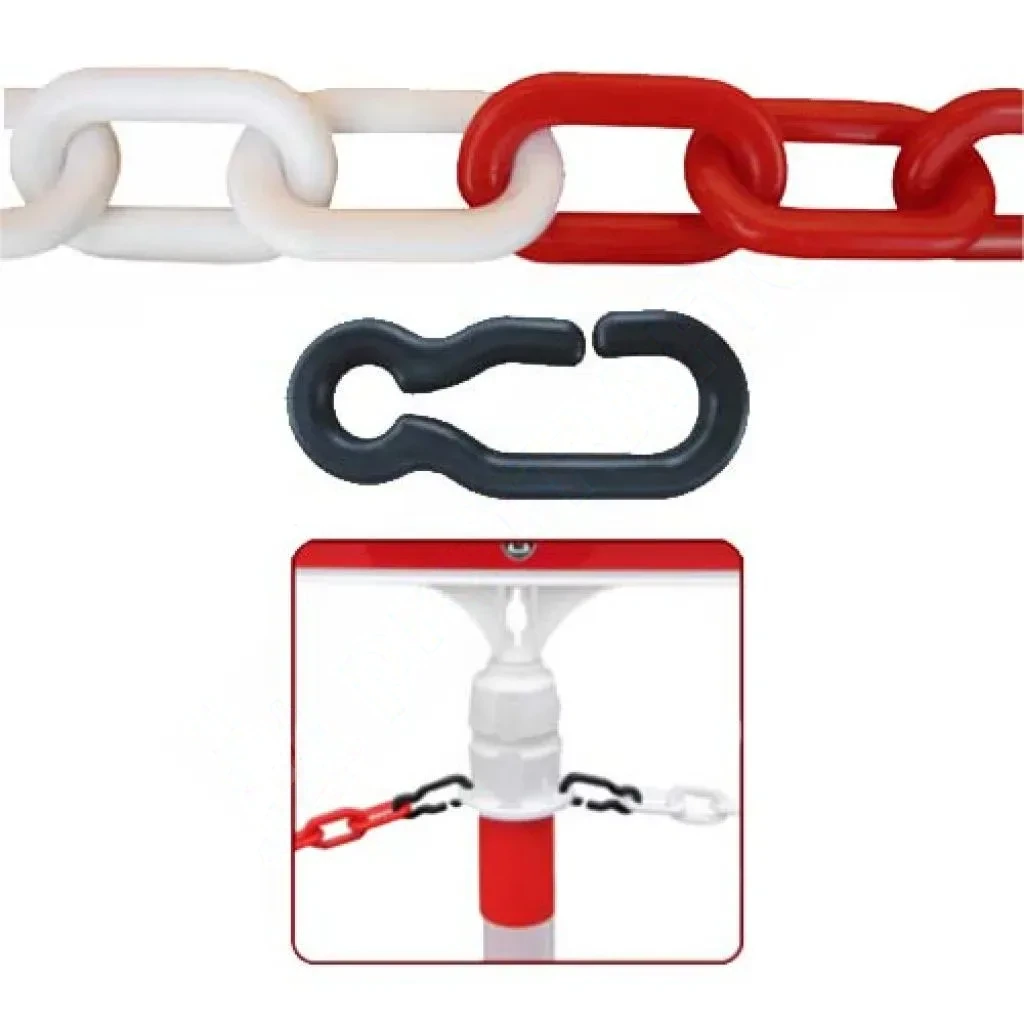
In other words, an ornamental pillar for the sidewalk can become part of a continuous delimitation. For example, plastic clasp Catch the pillar chain without special tools. Thus, temporarily close an alley or mark a waiting area. The right plastic chains you find in the category chains.
Frequent errors in choice
The first mistake is that a too short pillar becomes an obstacle for pedestrians, not a limit for drivers. The second mistake occurs at a distance between the pillars, sometimes too large. Also, many forget the visibility at night. In contrast, an ornamental pillar for a contrasting-colored sidewalk is observed more easily in the light of the headlamps.
- Don't mix too many patterns on the same street.
- Avoid assembly on unstable, foundationless pavements.
- Think about the route and for people with impaired vision.
Frequently Asked Questions about Ornamental Walking Stalks
What height has an ornamental pillar for ordinary sidewalk?
There's not a single height. In the Protrafic.ro range you find models from 300 mm to 1100 mm, and for urban sidewalks you often choose 700 mm.
Can I move the poles after the assembly?
Yes, if you choose heavy-duty mobile models, such as the 1100 mm pillar with a 6.5 kg base. However, the models fixed with dibs remain in place.
What material can best withstand the blows?
The rubber absorbs the impact and returns to shape. The plastic with metal pipe offers rigidity, but after a strong shock may require replacement.
Do I need advice on an ornamental pillar for the sidewalk?
In the public domain, yes, and the decision belongs to the local government. On private property, check the rules of the association or the whole.
In conclusion, an ornamental pillar for the well-chosen sidewalk protects pedestrians and orders the space. View all models in category ornamental pillars, and the Protrafic.ro team helps you choose.