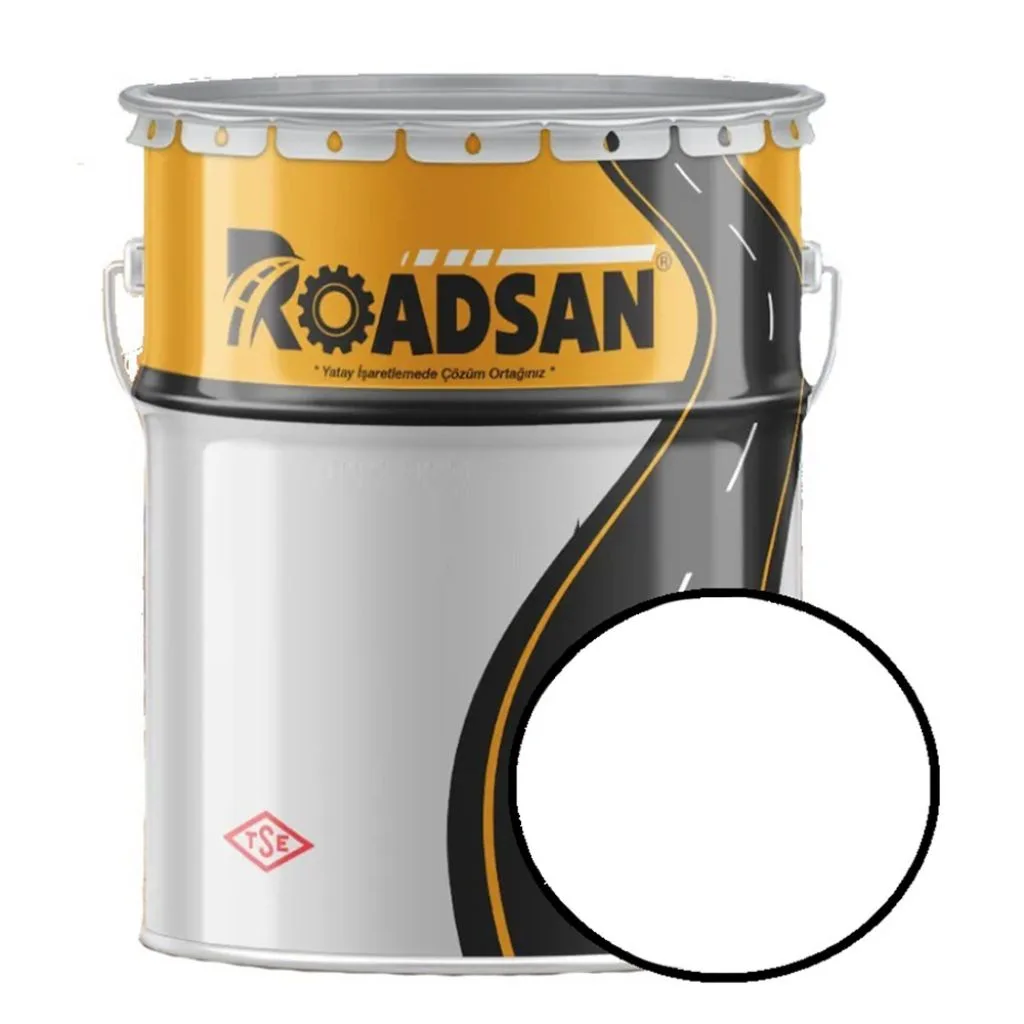
Monocomponent and Bicomponent Road Paint – Choosing Corecta for Durable Markings
The single component road paint is simple to apply, dry quickly and cost less, being suitable for parking, secondary streets and temporary markings. The two-component paint, with base and reinforcement, resists much better abrasion and weather and is the choice for the intense roads circulated.
In short: the monocomponent for quick and economic work, the bicomponent for maximum resistance and re-revotioning is rarer.
Do you need help choosing?
Tell us what you need and we'll send you the offer on the same working day.
The choice between the two types of paint is made after traffic in the area, environmental conditions and the desired duration of the marking. For parking lots, bicycle tracks and low-traffic streets, the monocomponent offers the best price-result ratio. For motorways, intersections, pedestrian crossings and industrial spaces, the bicomponent reduces long-term costs by sustainability and allows the addition of anti-slip materials for additional safety.
Road markings are essential for traffic safety, and the paint used plays a crucial role in their visibility and resistance. There are two main categories of road paint: monocomponent And bicomponent. What are the differences and how do you choose the right one? Find out in the lines below!
Monocomponent Road Paint – Benefits and Users
This type of paint is most commonly used due to simple application and affordable costs. It is used without needing a combination with a hardener, which makes it ideal for quick projects.
Benefits:
It applies directly without the need for complex preparation;
Reduced drying time, ideal for quick work;
Lower costs compared to other solutions;
Suitable for roads with low or medium traffic.
Limits:
It does not have the same resistance as the two-component paint;
Needs more frequent re-re-re-vouching in areas with intense traffic.
When is it recommended?
- Secondary roads, parks, bicycle tracks;
- Areas where rapid and economic application is necessary;
- Temporary markings or low-demand roads.
Monocomponent gasite paint model Here!
Bicomponent Road Paint – Performance and Durability
This version consists of two components (base + hardening), which, once mixed, creates a durable and resistant layer. It is the ideal solution for long-distance and long-distance roads.
Advantage:
Excellent resistance to abrasion and weather;
Longer life than monocomponent paint;
Increased grip on asphalt and concrete;
Allows the addition of anti-slip materials for extra safety.
Disadvantage:
Higher initial cost;
More complex application, requires special equipment;
Higher drying time under certain conditions.
When is it recommended?
- Motorways, national roads, airports;
- Intersects, pedestrian crossings and areas of high wear;
- Industrial or commercial spaces where increased resistance is required.
Bicomponent gasite paint model AICI!
How do you choose the Right Route Paint?
For fast and economical markings: Monocomponent paint is an effective choice.
For maximum resistance and reduced maintenance: The two-component paint is the best solution.
The choice depends on the type of traffic, the environmental conditions and the desired duration of the markings. Correct planning will bring you long-term savings and increased safety on the roads you administer!
Do you need the paint router for a project? You can order directly on protrafic.ro or write to office@protrafic.ro or call us at 0725404404!