Horizontal road markings: colours, materials and application
Clear horizontal road markings organize the bands, parking lots and internal routes without any additional panel. Find out which types exist, which transmits each color, how reflective microbes help and what steps you follow in applying for a sustainable result.
In short: white for strips, special colors for dedicated areas, night microbes and clean surface before application.
Do you need help choosing?
Tell us what you need and we'll send you the offer on the same working day.
Well chosen and maintained horizontal road markings guide traffic day and night, without loading the space with indicators. The color transmits the message, the microbes bring visibility, and the preparation of the surface decides sustainability. It plans to refresh before the lines disappear and draws the parking plan before the first application. Find the right paint and accessories in the category Horizontal Signalling.
Well-drawn horizontal road markings show the driver where the band is, where the pedestrians stop and pass, without raising their eyes on the road. They also organise parks, logistics platforms and industrial courts. In this article we see the types of markings, the role of colors and the step of successful application.
Horizontal road markings
The family is wide and covers several types of signs:
- Continuous and discontinuous lines for band separation.
- Directional arrows at intersections and on preselection strips.
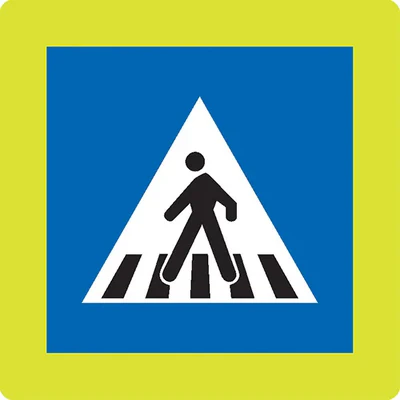
- Passes of pedestrians and stopping lines.
- Symbols for bicycles, persons with disabilities or stopping areas.
- Hashed areas, where you don't move and park.
Unlike vertical indicators, horizontal road markings appear directly in the driver's visual field. Therefore, the message is read instantly, even in intense traffic.
What do the colors of the markings say
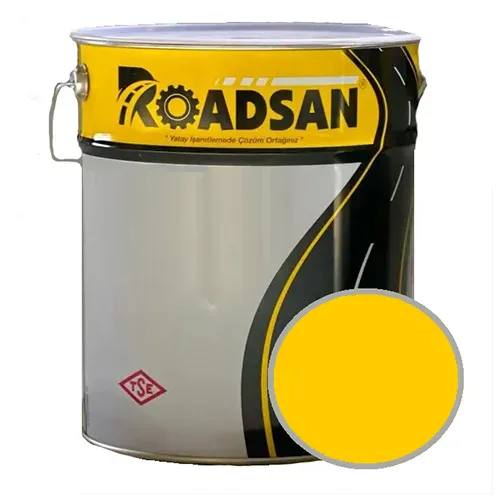
Firstly, white remains the basis for organising traffic, for bands, directions and passages. Thus, white road marking paint, RAL 9016, covers most of the usual works. Then the yellow appears often at temporary markings or in areas with special stopping rules. Instead, blue paint RAL 5017 identify dedicated areas, such as certain parking spaces.
The red RAL 3020 and green RAL 6024 also highlight warning areas or bicycle routes. At the same time, Black paint RAL 9017 helps to cover old and contrast markings. In other words, horizontal road markings in different colors transmit different messages.
Colour or thermoplastic carpet
Category Horizontal Signalling group two working directions. The first is the paint, available in the subcategory Road marking paint, in packs of 25 kg. The second one forms the thermoplastic carpets, applied by heating on the roadway. The paint fits in with parking lots, courtyards and regular refreshments. It also applies relatively quickly and allows the area to be reopened after drying. However, the drying time differs by temperature and layer thickness. On the other hand, thermoplastic materials usually last longer in areas with intense traffic. Therefore, the choice for horizontal road markings depends on the traffic, the time available and the frequency of the re-suspension.
The role of reflective microbes
At night, a simple line of paint is much weaker in the light of the lights. For this reason, over the fresh paint press mirroring microbes in glass, Available in 25 kg bags. Thus, the microbes send the light back to the driver, and the line becomes visible from a distance. Therefore, horizontal road markings with microbes better guide unlit roads. However, the press must immediately follow the application, while the paint has not yet dried.
Application steps for horizontal road markings
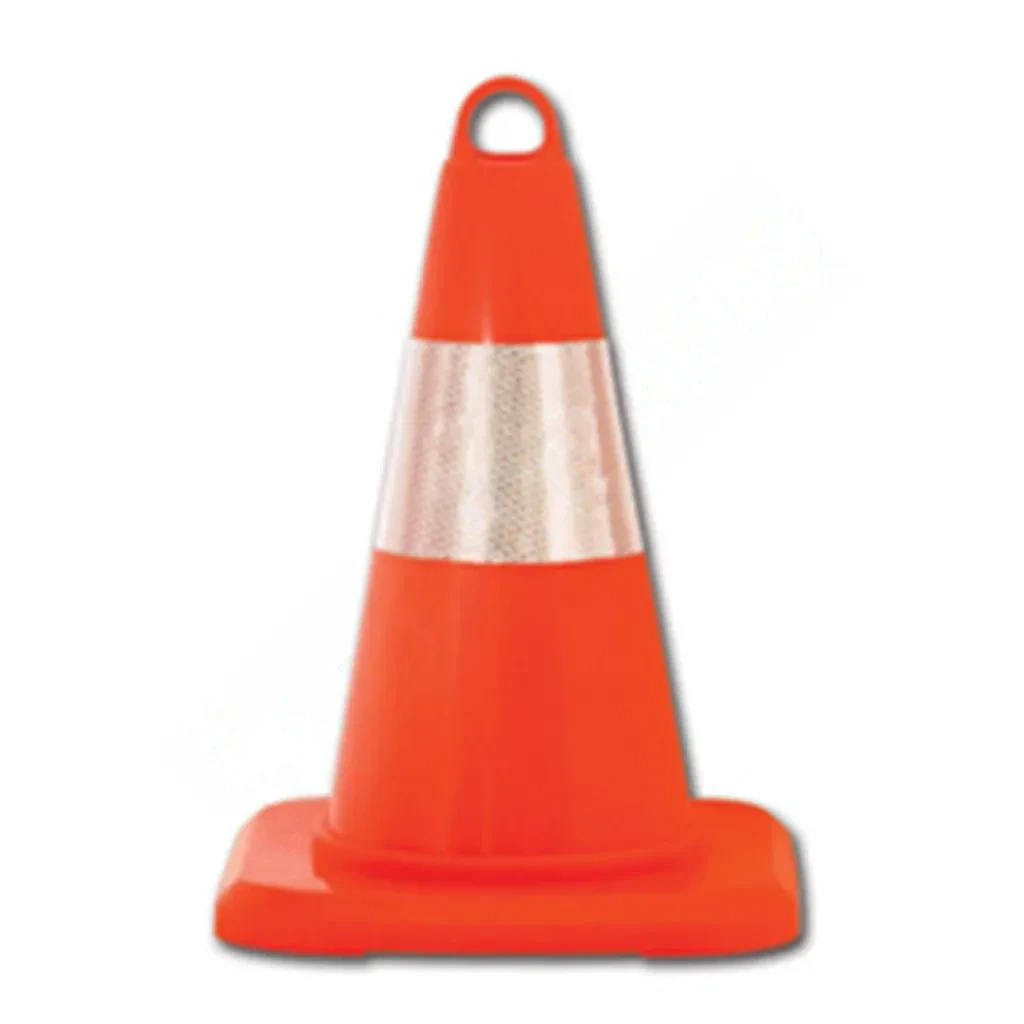
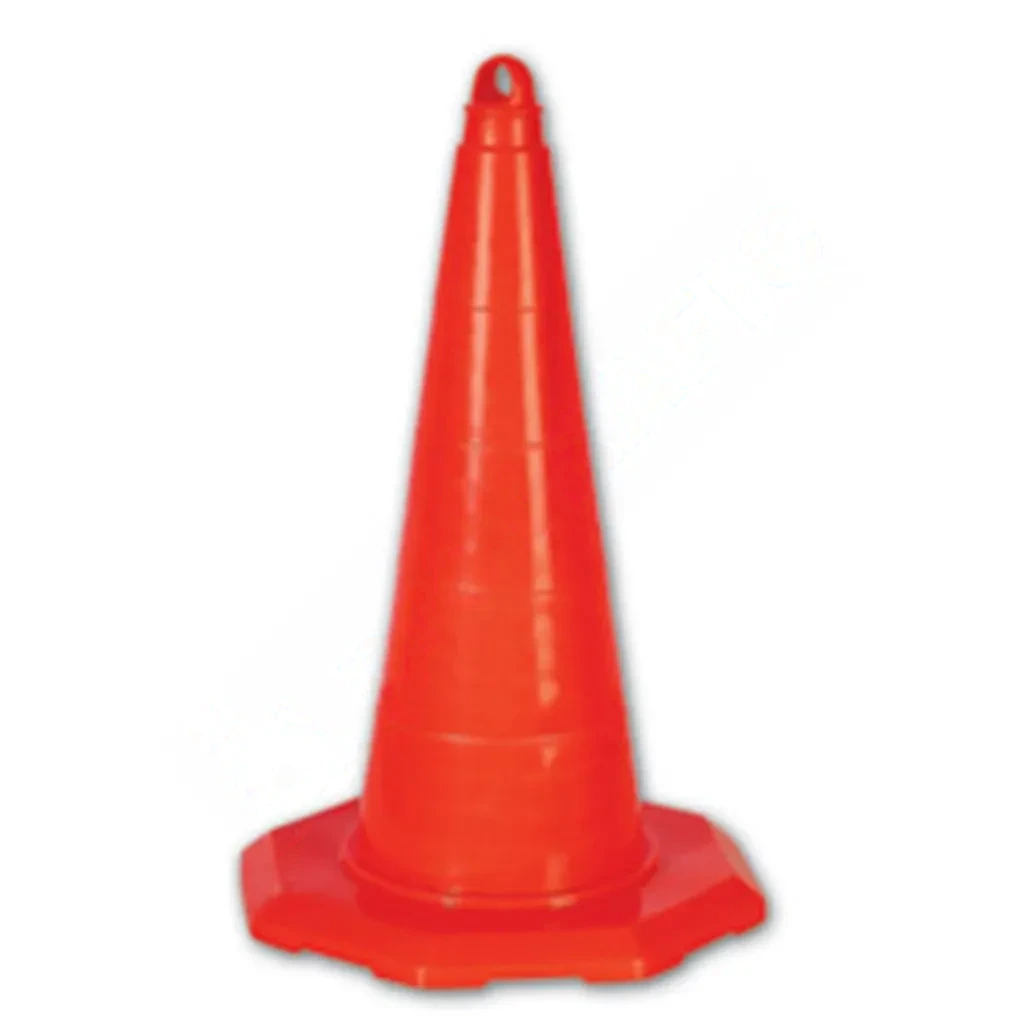
First, clean the surface of dust, oil and old marking scraps. Then check the weather, because the wetness and coldness affect the grip. Later, draw the outline with string or with a drawbar. Continue to apply uniform paint and microbial presses if the marking must reflect light. At the end, protect the area with cones until dry. Always comply with the instructions in the product specification. Thus, correctly applied horizontal road markings last longer between two refreshments.
Plan a parking lot before horizontal road markings
First, draw on paper the plan of places, colors and senses. Then check the size of the seats and the handling space between the rows. For example, places for people with disabilities need additional side space. In addition, think of the pedestrian path from the cars to the entrance, so as not to cross the main flow. Then choose the colors: white for places and arrows, yellow or red for the warning areas. Thus, pre-planned horizontal road markings avoid subsequent corrections. On the other hand, black paint helps cover the wrong lines if the plan changes.
Where you use horizontal signaling
- Commercial parks: places, arrows, areas for people with disabilities.
- Deposits and halls: routes for stackers and pedestrian colours.
- Construction: temporary markings for deviations.
- Internal roads in industrial courts.
- Schools and residential areas: well visible pedestrian crossings.
In industrial halls, horizontal road markings separate the flow of machinery from that of people. For example, the pedestrian colors in the halls receive continuous lines, easy to follow. At the same time, the storage areas marked on the floor remain easier in order. Recommendations on job organisation find on Labour Inspectorate website. On public roads, the project approved by the administrator determines the type and position of the markings.
Maintenance and refurbishing
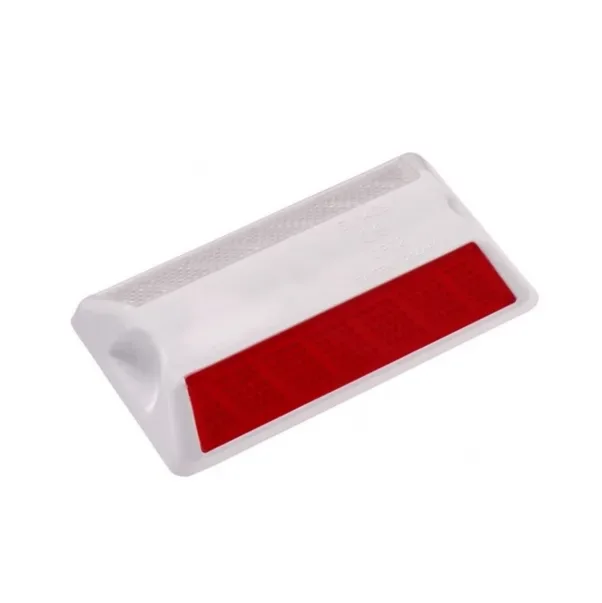
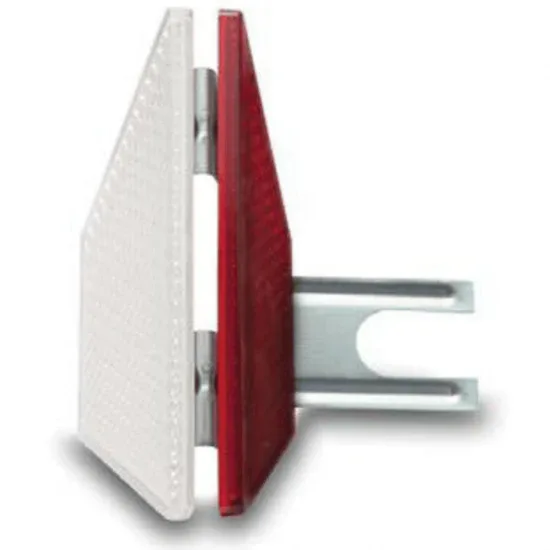
Traffic, winter salt and UV rays gradually use horizontal road markings of any type. That's why they visually inspect the lines a few times a year. Then, it refreshes the markings when the contrast drops or when the microbes no longer reflect. In addition, after winter check especially pedestrian crossings and stopping lines, where wear occurs first. Also complete the line with Reflective buttons in curves or on unlit roads. Horizontal road markings maintained in time demand much less effort than complete repair.
Frequently Asked Questions About Road Markings
What color do I choose for dedicated parking places?
Blue often identifies dedicated areas, but local regulations may require other colours. Therefore, check the rules of the administrator.
Can I apply horizontal road markings in cold weather?
It depends on the product and the conditions of the technical file. Generally, cold and wet reduce grip, so choose a dry day.
Helping microbes and covered parking?
There the effect matters less because artificial lighting helps to read the marking. However, at ramps and exits can increase visibility.
How often do I refresh the markings?
It depends on traffic, material and weather. Therefore, inspect the lines periodically and refresh them when the contrast drops.
For your project, start in the category Horizontal Signalling and choose the right paint, color and microbes. Protrafic.ro helps you plan horizontal road markings for parking, cloakroom or inland road. Thus, traffic becomes orderly and predictable.